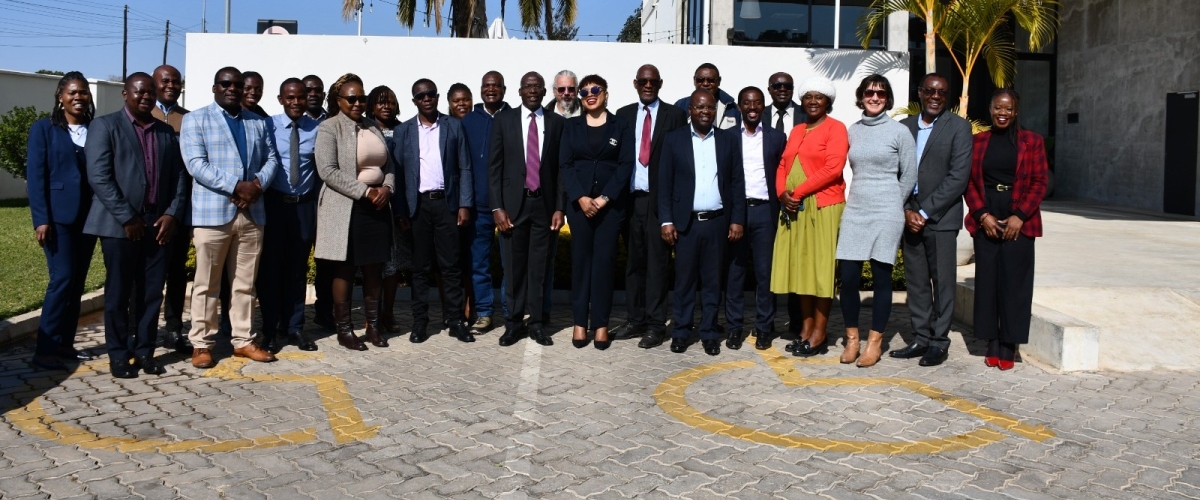
The Zambia Agriculture Research Institute (ZARI) has officially launched the Research in Agro-ecology Network for Southern Africa (RAENS), a significant four-year initiative that aims to transform food systems across the region through sustainable and inclusive approaches. The project is funded by the European Union and coordinated by the Centre for Coordination of Agricultural Research and Development in Southern Africa (CCARDESA) in collaboration with the University of Cape Town.
In Zambia, National Plant Genetic Resources Centre (NPGRC) under ZARI will spearhead the national implementation of the initiative. ZARI’s Acting Director, Dr. Ndashe Kapulu, described agro-ecology as a strategic pathway for Zambia’s agricultural transformation, offering sustainable and equitable solutions to challenges like climate change, soil degradation, and biodiversity loss.
“Agro-ecology goes beyond farming techniques. It integrates traditional knowledge, promotes biodiversity, and reduces reliance on expensive external inputs through ecological practices that improve soil and crop resilience,” he said. Dr. Kapulu emphasised the importance of partnerships with institutions already championing agro-ecological work, such as PELUM Zambia, Zambia Alliance for Agro-ecology and Biodiversity (ZAAB), Community Technology Development Trust (CTDT) and the Kasisi Training Centre. “We must move beyond working in silos and co-create solutions that embed agro-ecology into our national policies. The knowledge we generate must directly benefit our farmers, who are the backbone of Zambia’s food system,” he added.
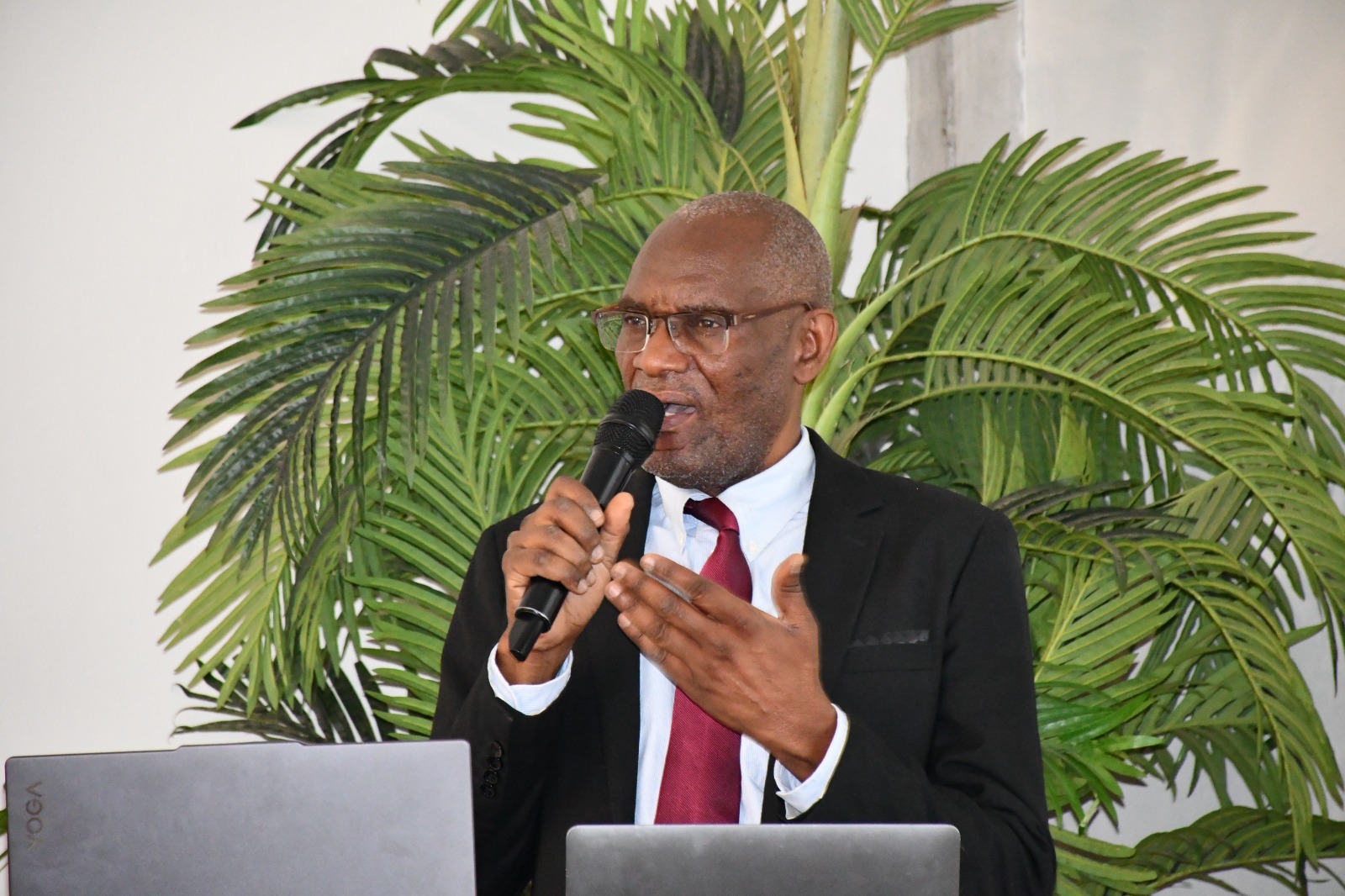
Dr. Kapulu further noted that the launch of the RAENS Project marks a significant milestone in regional efforts to embedding agro-ecology into agricultural development and climate adaptation strategies. “By working together, researchers, policymakers, and farming communities can shape a food system that is not only productive but inclusive, and climate-resilient,” he said. Dr. Kapulu’s remarks were delivered by ZARI’s Assistant Director, Dr. Patrick Chikoti.
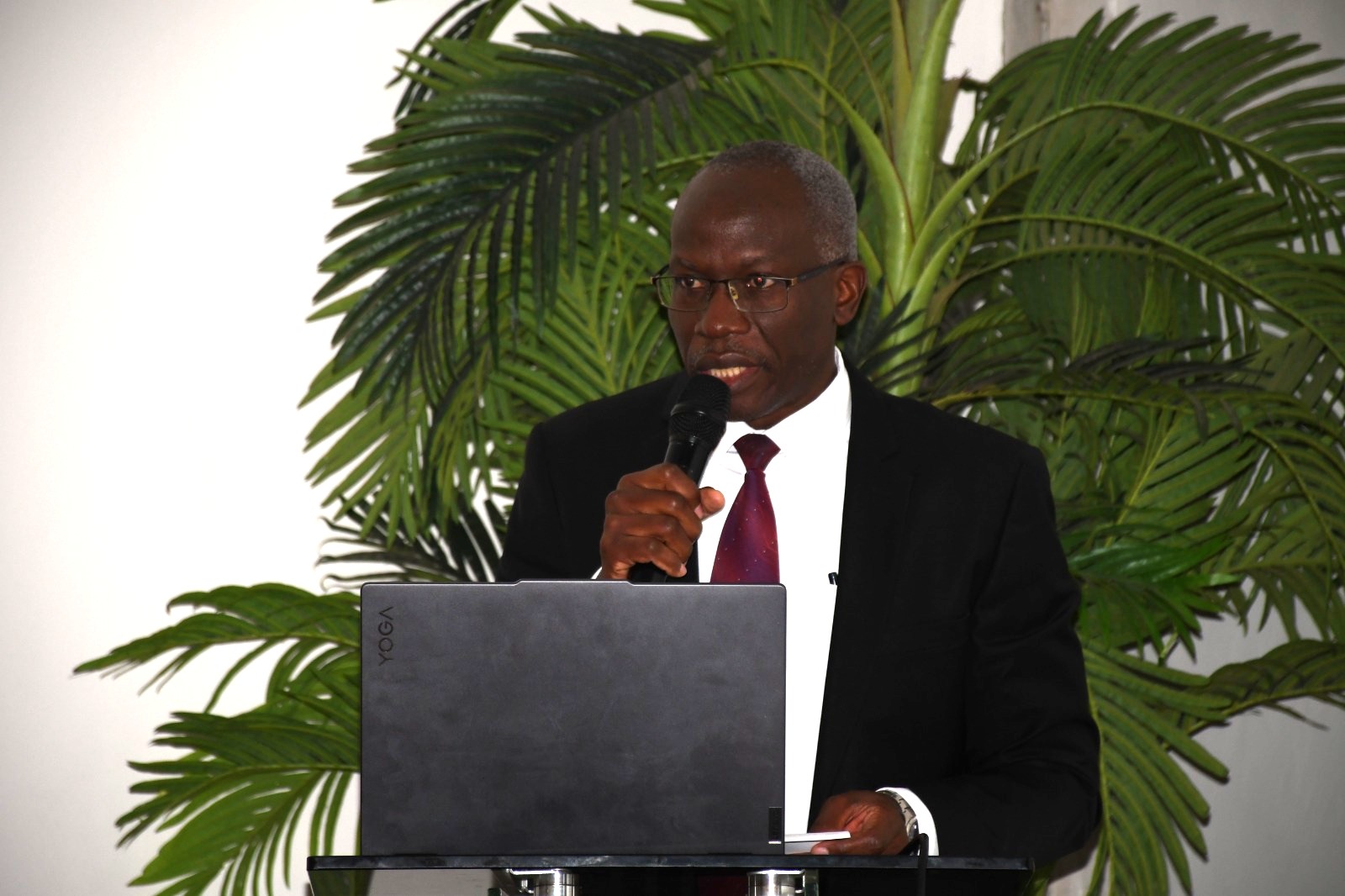
Speaking earlier, CCARDESA Former Board Member, Professor Frank Kayula, stressed that despite the growing global interest in agro-ecology, policy support in the Southern African region remains limited and fragmented.
Professor Kayula cited findings from an ActionAid study revealing that agro-ecology is often only partially reflected in national policies, typically under broader umbrellas such as Climate Smart or Conservation Agriculture, rather than being recognised as a distinct and comprehensive approach. He further pointed out that agricultural financing continues to heavily favour conventional farming systems, with a significant portion of national budgets allocated to input-heavy approaches like the Farmer Input Support Programme (FISP). “While national policies are evolving, most agricultural budgets still favour conventional farming. This highlights the urgent need for increased investment in agro-ecological alternatives,” said Professor Kayula.
Meanwhile, women farmers in Zambia are calling on the government to scale up support for agro-ecology and promote indigenous crops, especially sorghum, which has proven to be more resilient under changing climate conditions. Susan Chilala, National Coordinator of Women Environs in Zambia (WEZ), said that during the 2023/2024 growing season, women in Chongwe cultivated sorghum and achieved strong yields despite prolonged drought conditions.
She urged policymakers to recognise and support such crops as viable alternatives to traditional staples like maize.“We’re asking government: as you buy maize, please also buy sorghum. It’s time our policies reflect who we are, where we come from, and what actually grows well in our environment,” said Ms. Chilala. WEZ is actively promoting agro-ecological practices, including the use of bio-fertilisers, composting, indigenous seed saving, and community seed banks. According to Chilala, these practices are already transforming livelihoods in rural areas by increasing yields, reducing input costs, and improving soil fertility. Currently, the organisation has over 500 bags of red sorghum in storage, and it is seeking buyers to help farmers access markets for their produce.
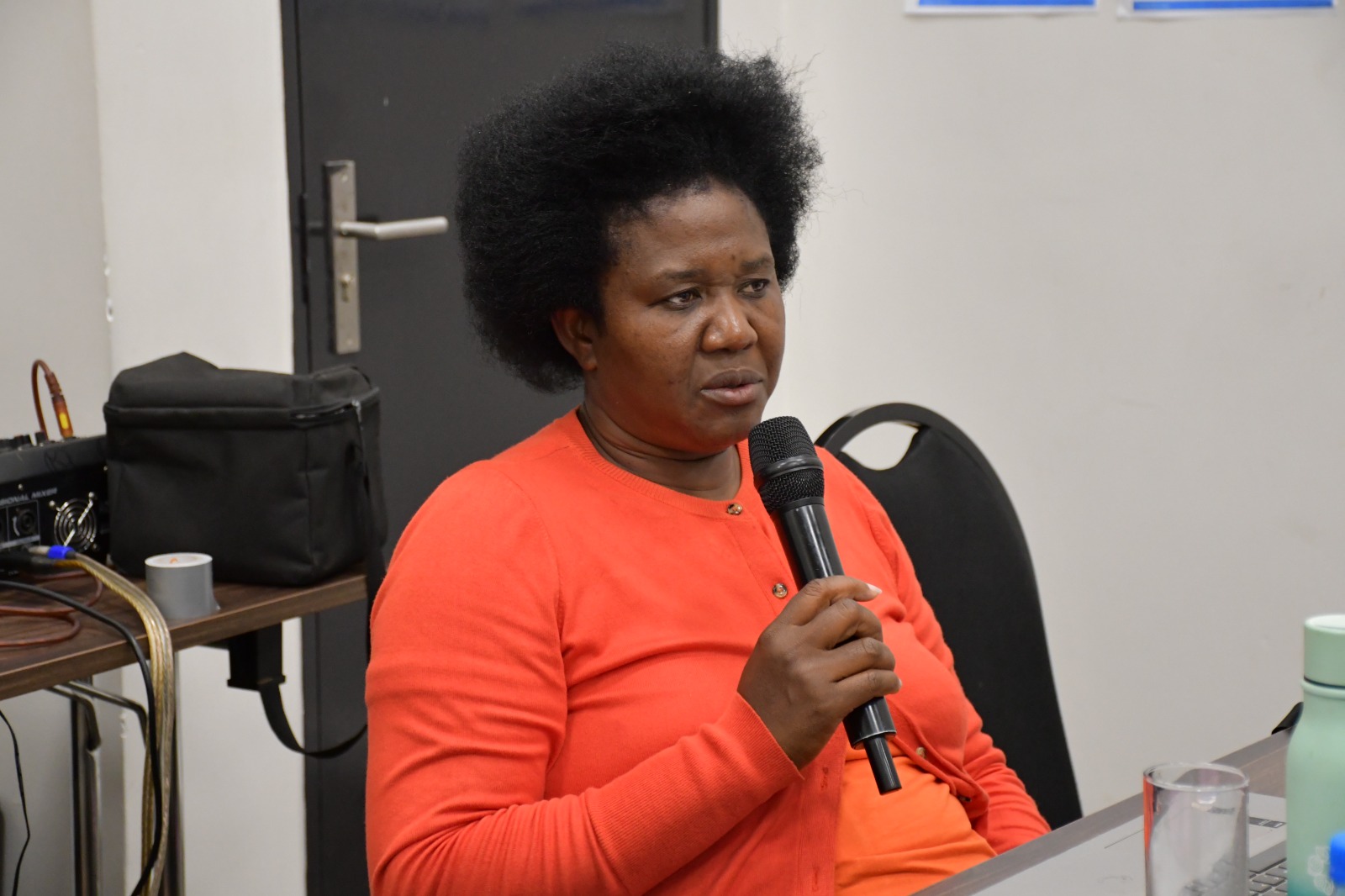
She noted that while agro-ecology is gaining traction at the grassroots level, there is an urgent need for policy support and market incentives to fully unlock its potential. “Agro-ecology is helping our women harvest even during droughts. We urge government to support crops like sorghum which grows well in our environment, and our policies must reflect that,” Ms. Chilala said. She also welcomed the launch of the RAENS network as an opportunity to link local innovations with regional and continental research agendas. She expressed optimism that the platform will help build momentum toward integrating agro-ecology into national agricultural, environmental, and climate policies. “This network is at our heart. It brings hope for better policies and market access for our women farmers,” she added.
Speaking on behalf of the project, Sumini Sampa, RAENS Project Lead and Senior Agricultural Research Officer at ZARI, said the initiative is designed to strengthen agro-ecological research, foster farmer-led innovation, and influence policy frameworks that support agro-ecology. “RAENS is not just about research for the sake of knowledge. It’s about building a network that empowers smallholder farmers especially women and youth to lead the shift toward sustainable, inclusive food systems,” Ms. Sampa said.
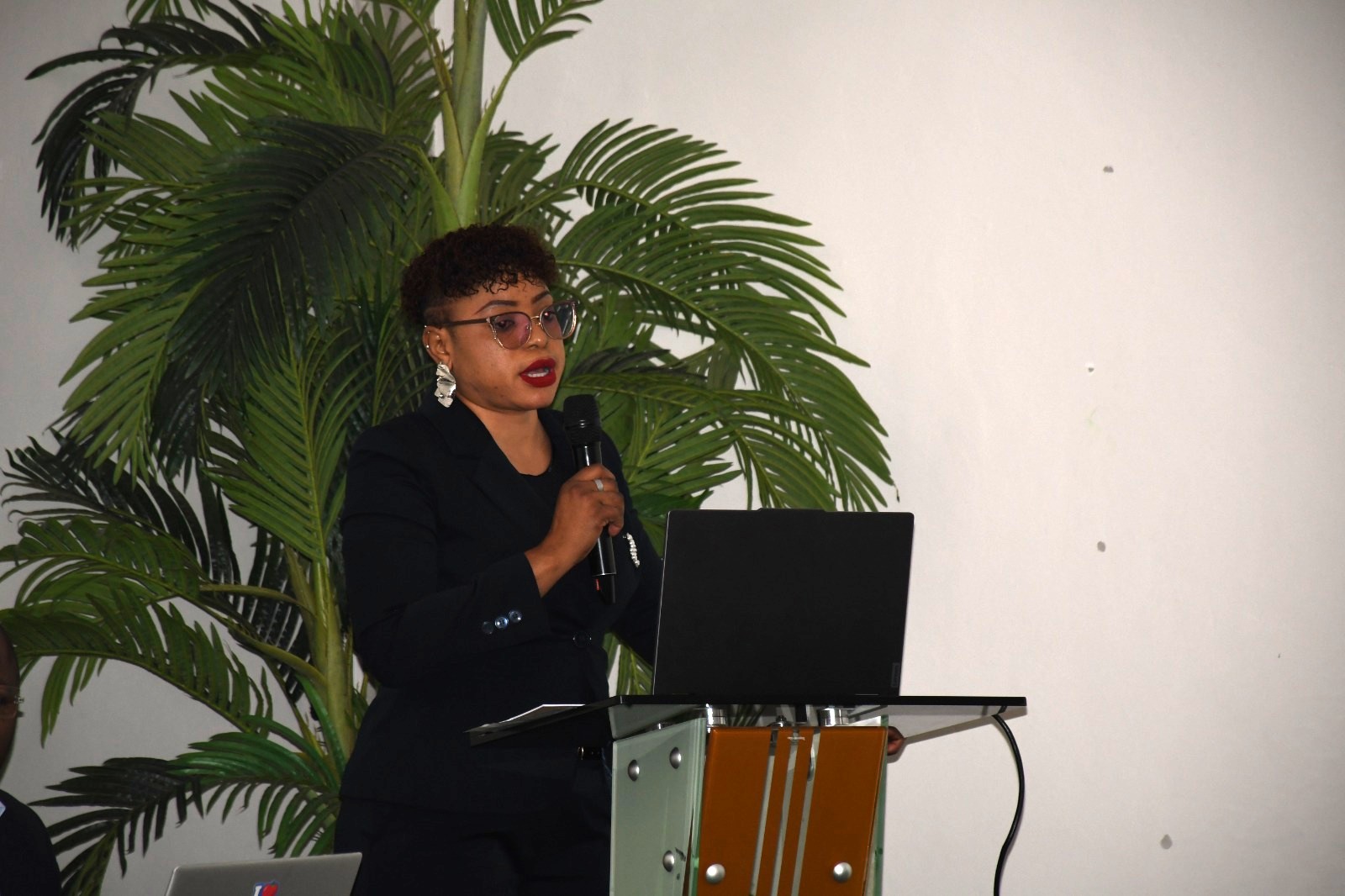
She explained that the project will link farmers, researchers, civil society, academia, and policymakers to co-create knowledge, document best practices, and promote agro-ecological solutions that can be scaled across diverse farming landscapes.
The RAENS project sets the stage for a more coordinated, inclusive, and resilient agro-ecological movement in Southern Africa, with Zambia playing a leading role.
The author is Senior Information Agricultural Officer at the National Agricultural Information Services (NAIS) and also CCARDESA ICKM Focal Point Person for Zambia