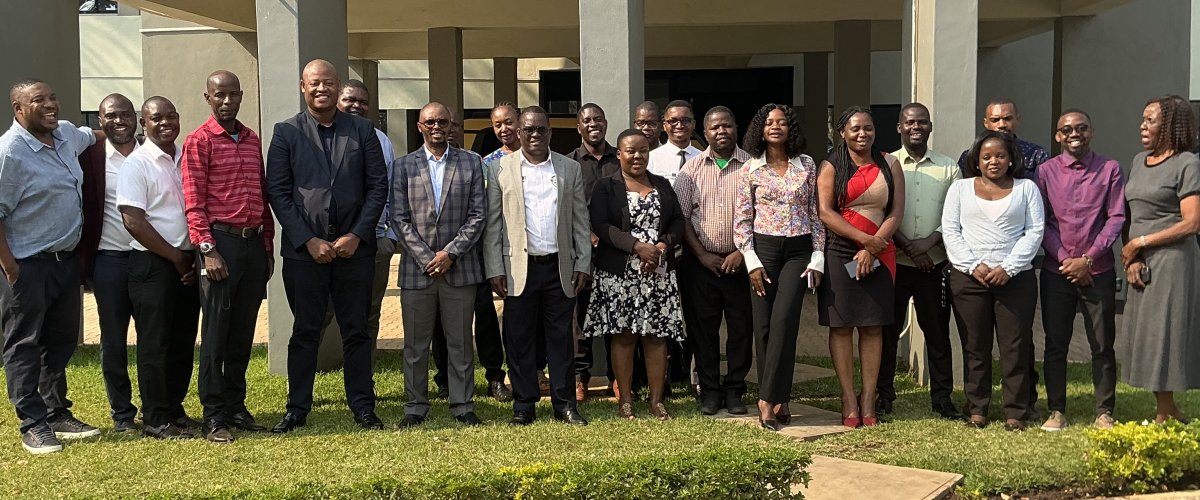
Malawi is strengthening its capacity to take practical agricultural knowledge closer to farmers through digital extension, following an intensive training on the localisation, voice recording and dissemination of Scientific Animations Without Borders (SAWBO) videos.
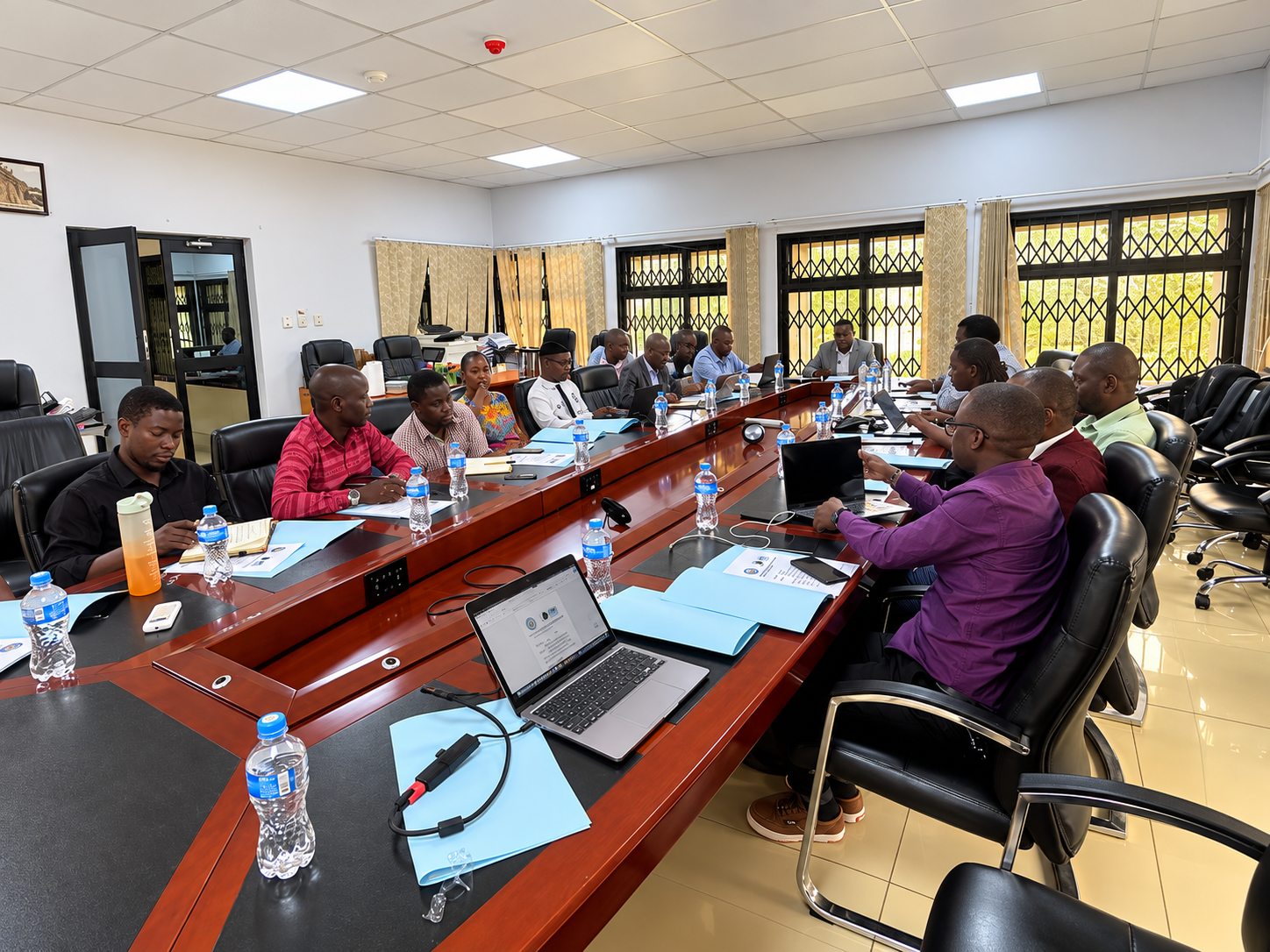
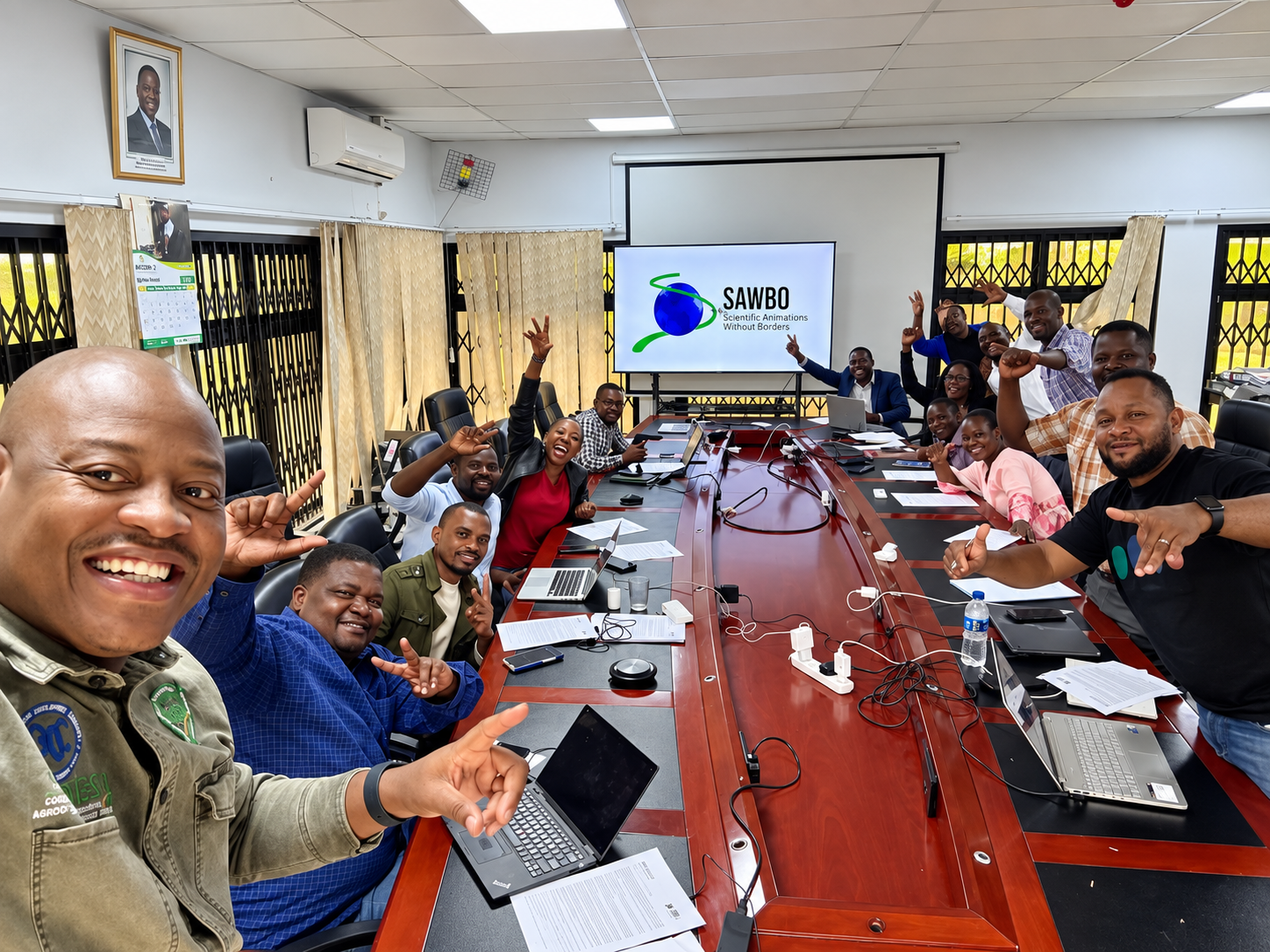
Organised by the Centre for Coordination of Agricultural Research and Development for Southern Africa (CCARDESA) through the World Bank-funded Food Systems Resilience Programme (FSRP) in collaboration with Malawi FSRP and SAWBO, the training, which was held on the second week of September 2026 in Lilongwe, brought together Malawi FSRP staff, Ministry of Agriculture officials and partners involved in agricultural research, extension, communication and technology dissemination.
The training responds to a persistent challenge facing agricultural extension in Southern Africa of getting timely, practical and understandable information to large numbers of farmers. Limited extension coverage, language barriers, low literacy levels and inadequate access to training materials can restrict farmers’ ability to adopt improved technologies and climate smart practices. Digital extension provides an opportunity to complement conventional extension by taking knowledge further and faster through tools already accessible to farming communities.
 |  | 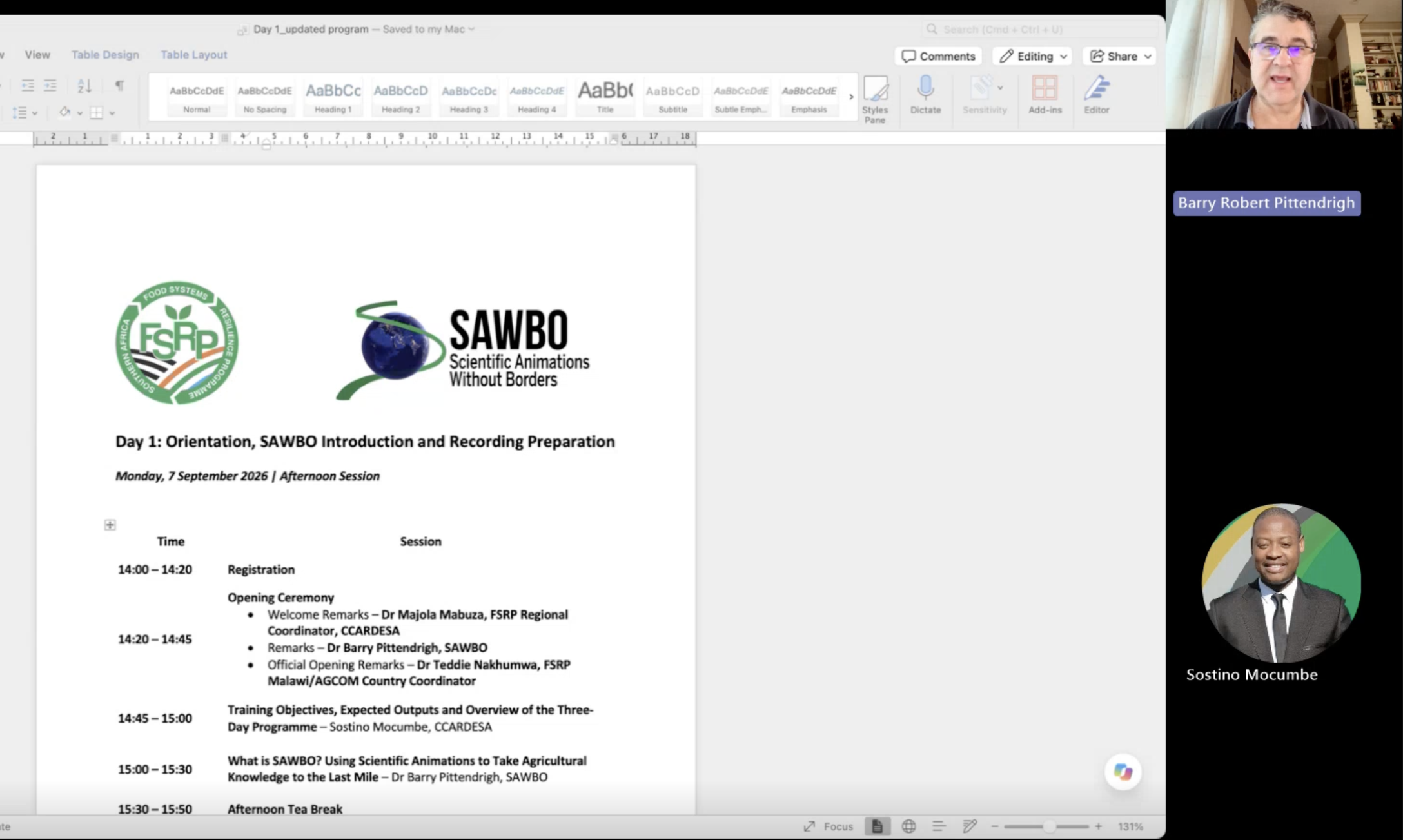 | 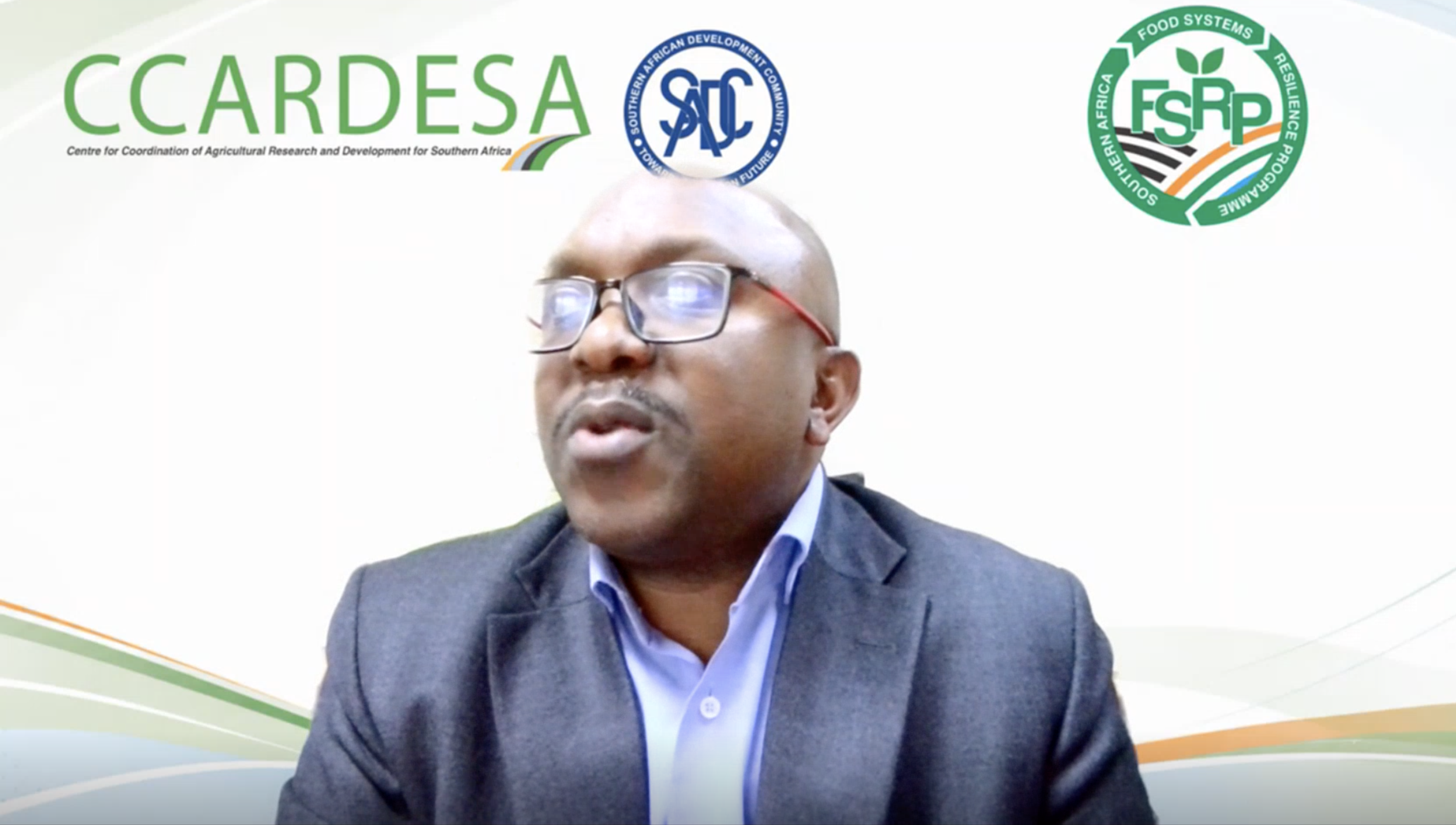 |
Speaking during the training, FSRP Regional Coordinator Dr Majola Mabuza said the initiative demonstrated the importance of connecting regional investments directly with country priorities.
“Whatever we’re doing at regional level, there must be a way of interfacing with the national level to see how we work together.”
Dr Mabuza said strengthening extension is receiving growing attention across the region and welcomed Malawi’s participation in the initiative. He also highlighted the World Bank’s interest in seeing countries move beyond training to producing, disseminating and tracking the actual use of the videos.
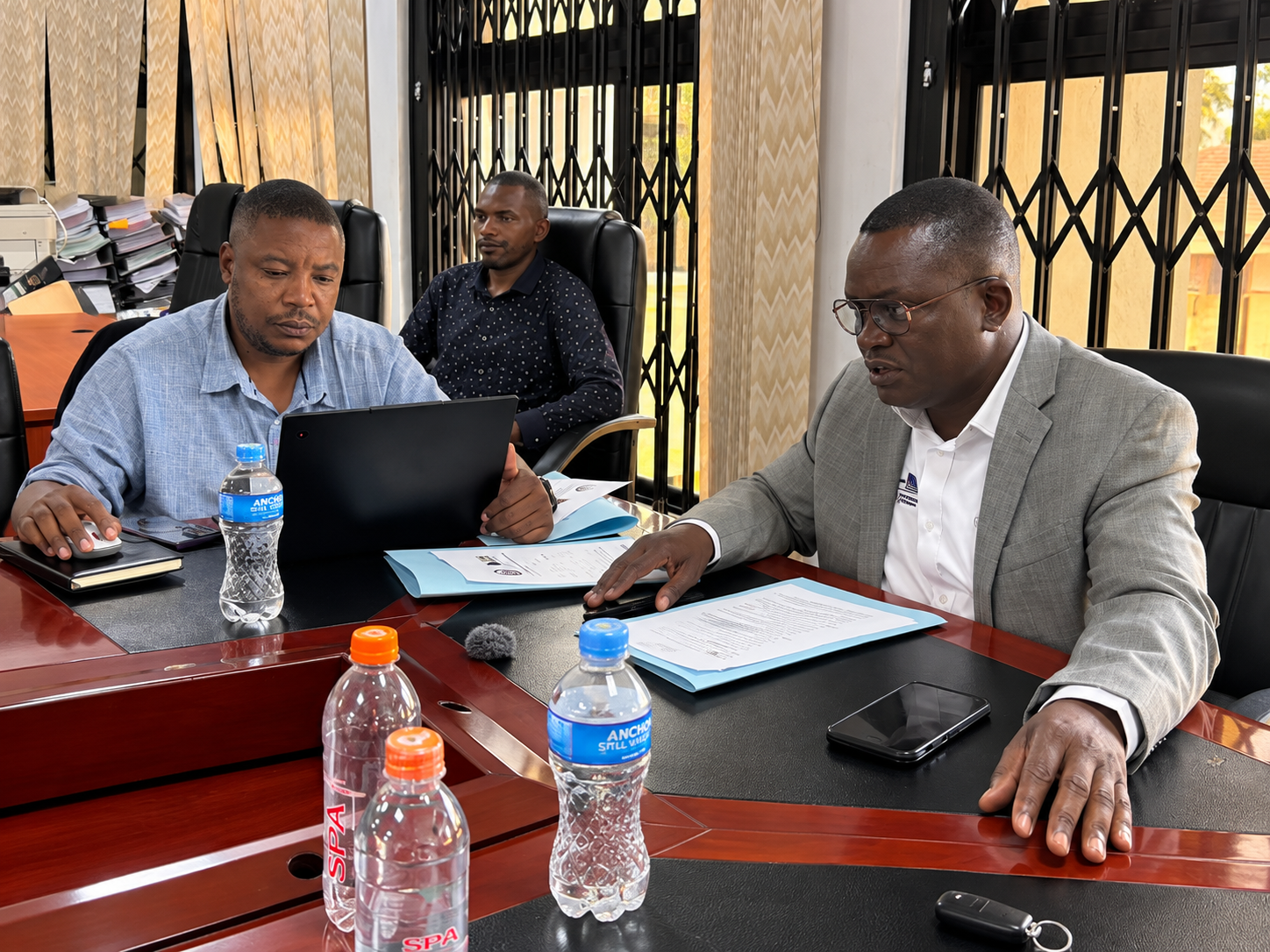
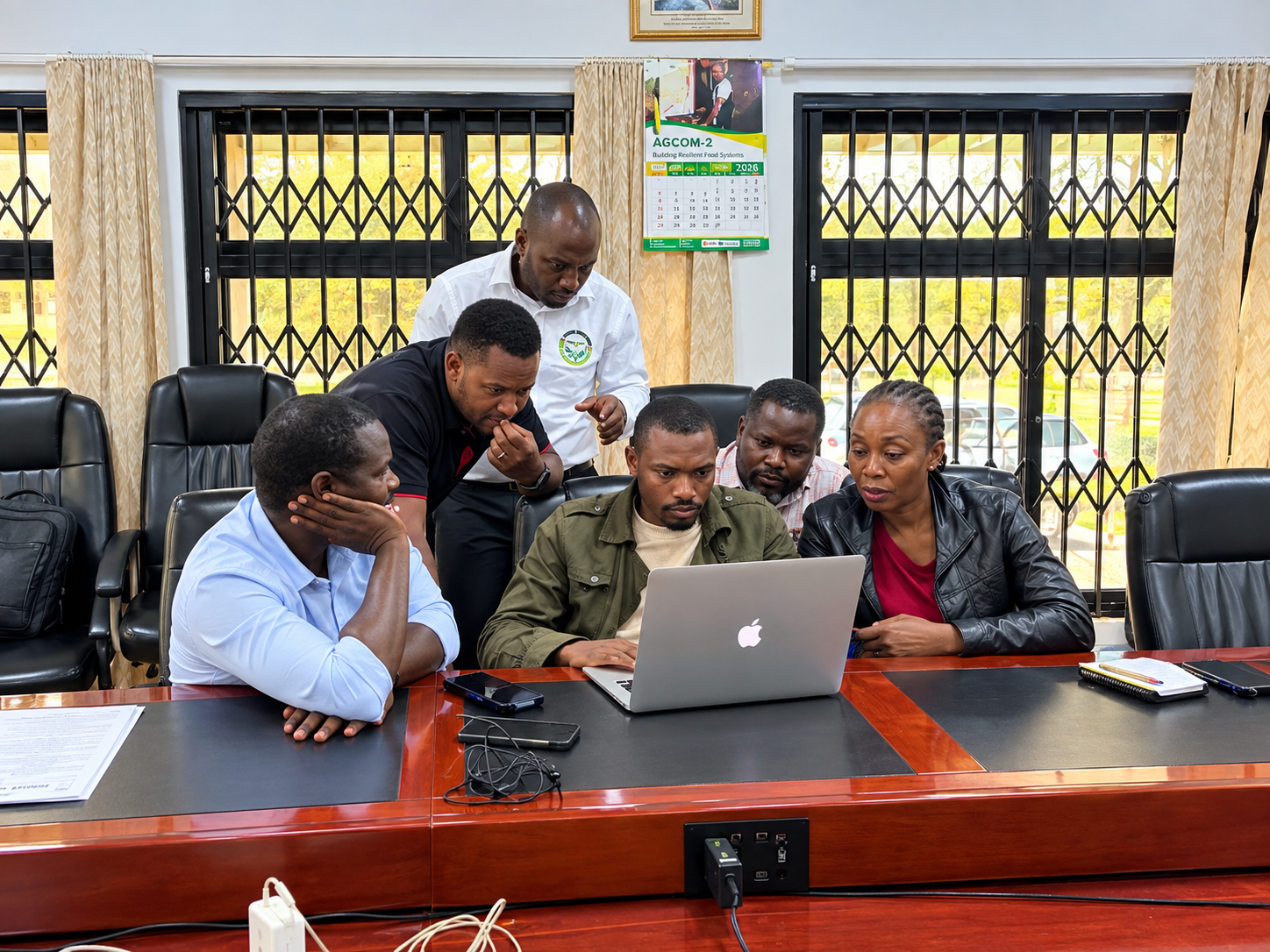
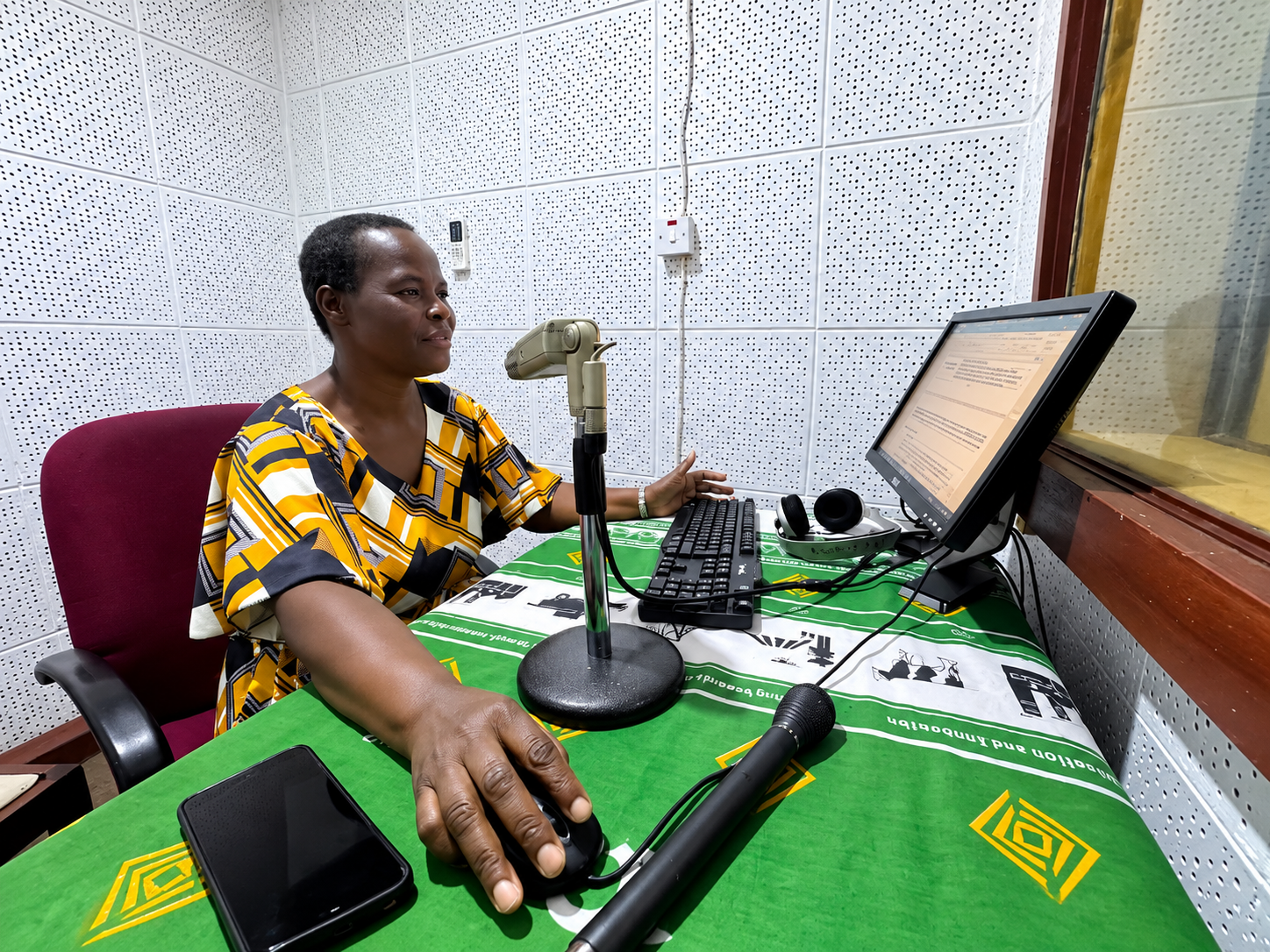
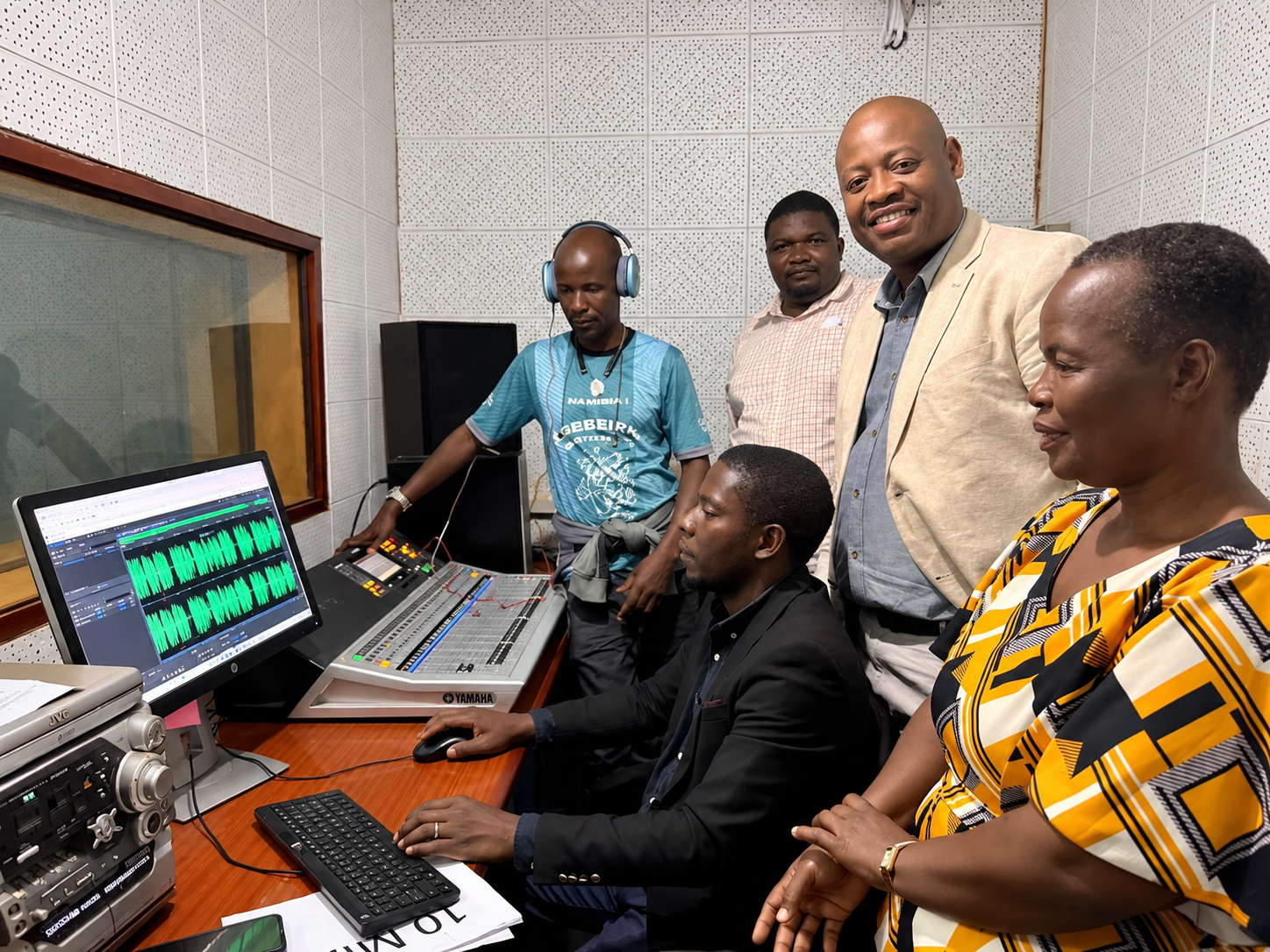
Unlike conventional classroom training, the programme was heavily practical. Participants worked through translation quality assurance, voice recording techniques, audio quality, synchronisation, technical review and preparation of localised videos for dissemination. The process places particular emphasis on preserving the scientific meaning of the original content while ensuring that the language, pronunciation and delivery are understandable to local audiences.
The workshop was officially opened by Dr Teddie Nakhumwa, Malawi FSRP Coordinator, who stressed that digital tools should complement the work of extension personnel and help agricultural knowledge reach farmers who cannot routinely be reached through face to face services. He noted that animations can turn technical agricultural information into simple, visual messages that farmers with different literacy levels can understand and revisit when needed.
“Agricultural knowledge is most effective when farmers can understand it in a language that is familiar to them,” Dr Nakhumwa said.
The enthusiasm generated by the training was reflected in an ambitious target set by the Malawi team: to complete the translation and voice recording of 20 SAWBO videos. Originally planned for three days, the host country requested an additional two days to allow participants to remain together and complete the outstanding translations and recordings. By the end of the initial three days, the team had made substantial progress but was determined to continue until the target was reached.
 |  |  |  |
For Dr Barry Pittendrigh of SAWBO, localisation is particularly powerful because the finished resources do not end with the training. Once produced, the videos become freely available for continued use and wider dissemination.
“Once it’s created, it becomes freely available for anyone to use. So it has the potential to really be used for many years to come.”
Crucially, Malawi is already looking beyond production to last mile delivery. The training explored a blended dissemination approach combining the reach of digital platforms with the trust and local presence of conventional extension. Options discussed included mobile phones, WhatsApp groups, radio, social media, web portals and digital repositories, alongside field demonstrations, farmer meetings and extension activities. Participants also considered how radio and WhatsApp, mobile applications and farmer networks can reinforce one another rather than relying on a single communication channel.
The dissemination plan is expected to identify priority audiences and channels, assign responsibilities and timelines, and establish monitoring and feedback mechanisms, while integrating the videos into ongoing FSRP and national extension activities. This is intended to ensure that localisation does not stop at producing Chichewa content, but translates into practical knowledge reaching farmers and other value chain actors.
The approach is particularly timely as Southern Africa prepares for increasing climate risks. During the training, participants highlighted the potential to use relevant animations to prepare farmers for drought, dry spells and excessive rainfall before shocks occur, making digital extension not only a knowledge sharing tool but also a vehicle for anticipatory action and resilience building.
For Malawi, the five day effort therefore represents more than the production of 20 localised videos. It is an investment in a national team capable of translating, recording, quality assuring and disseminating agricultural knowledge through digital channels, while strengthening the connection between technology, extension services and the farmers who ultimately need that knowledge.
As Dr Nakhumwa told participants at the close of the original three day programme, the strong demand for additional time and skills was itself a sign of the value of the initiative: “This is not the end, it’s just the beginning.”