MOHALE’S HOEK, Lesotho, 12 November 2026 — What can a nutrition officer do when a food commonly eaten in Lesotho is missing from the country’s nutrition reference guide? That question took on practical significance in Mohale’s Hoek, where agriculture, health and education practitioners used the Lesotho Food Composition Table to plan menus and encountered gaps in the data. Among the foods they flagged for inclusion in an updated edition were fish, red apples and lean red meat.
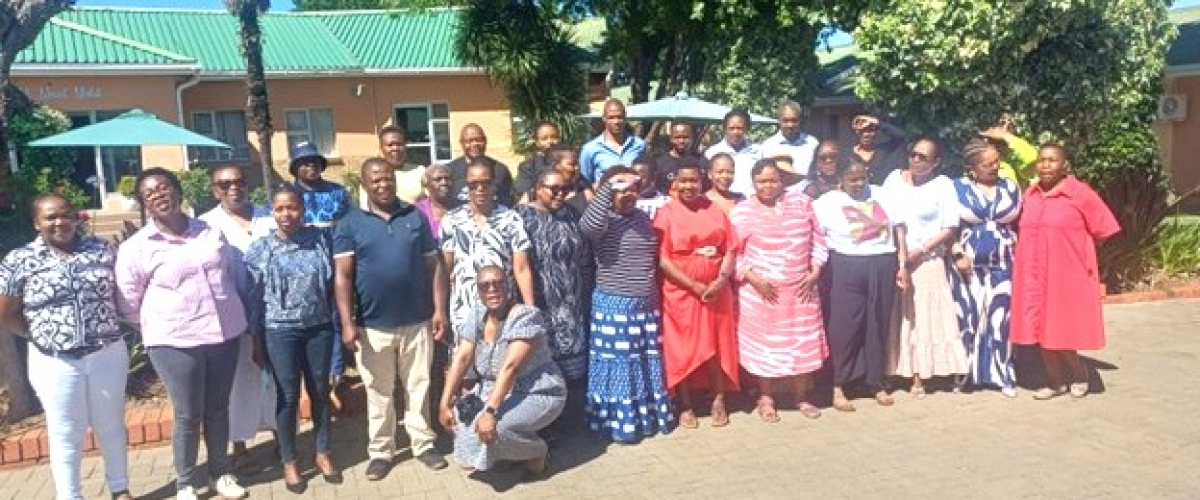
The Department of Agricultural Research (DAR) and the Food and Agriculture Organization of the United Nations (FAO) convened the one-day workshop to review the table they had previously developed. The session gave participants a chance to test how well the reference reflects the foods Basotho grow, prepare and eat, and to identify missing foods, nutrients and data. Participants included district nutrition officers and representatives from the ministries responsible for agriculture, education and health, including Early Childhood Care and Development, as well as the World Food Programme, the Food and Nutrition Coordinating Office, World Vision and the Lesotho Red Cross Society.
Keeping nutrition data in step with changing diets
Opening the workshop, Acting Mohale’s Hoek District Agricultural Officer Mr Lekhetho Tlali said reducing malnutrition was a shared responsibility. He noted that diets change over time and that the reference table needs to keep pace as people begin eating foods that earlier editions may have omitted. He encouraged participants to draw on their experience across sectors and examine how well the table meets the needs of the people they serve.
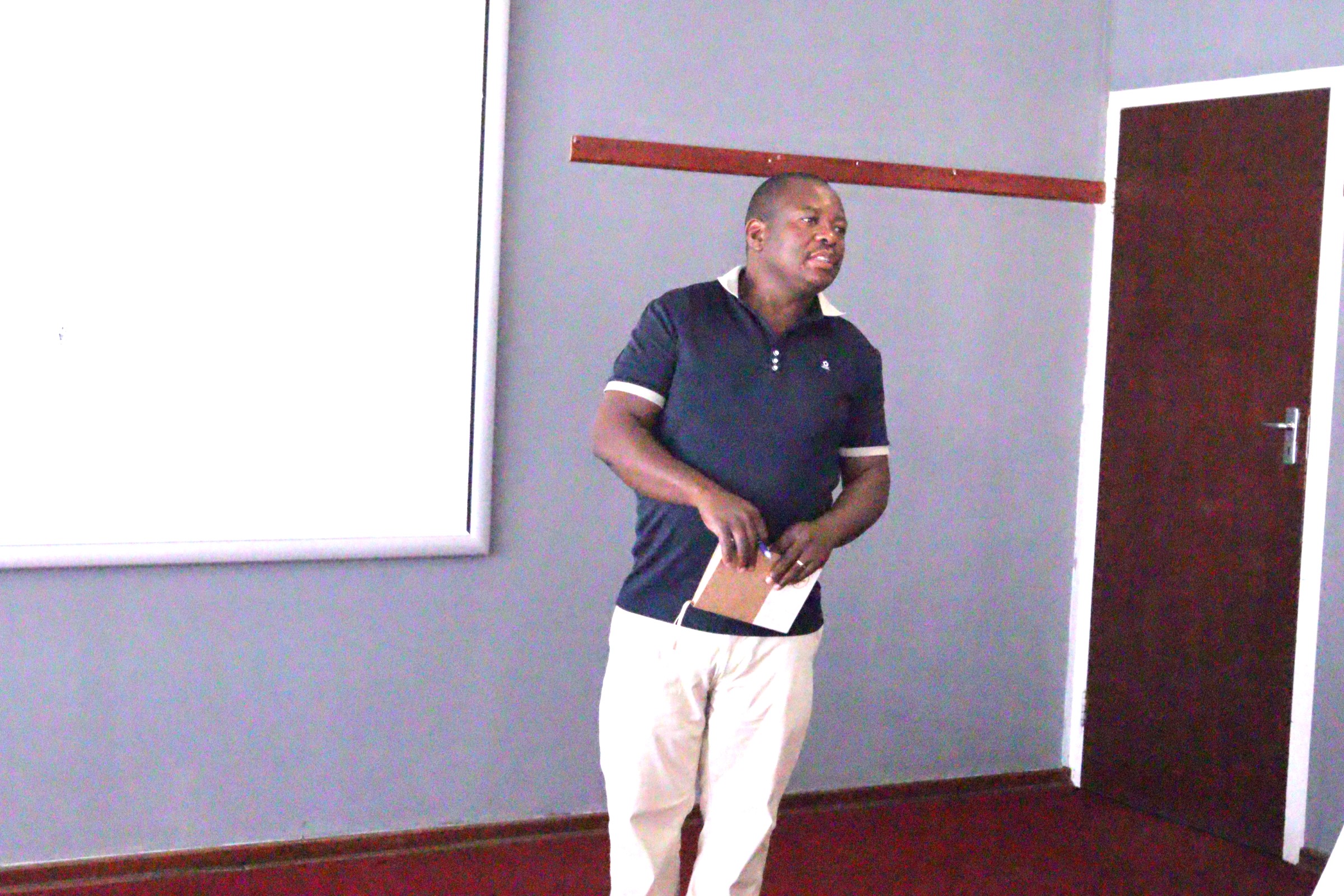
Mr Lekhetho Tlali
Mrs Tšeou of DAR outlined two objectives for the review. The first was to establish whether the table adequately reflects locally available and commonly consumed foods. The second was to identify missing entries and incomplete nutrient data and recommend priorities for updating the table.
Putting the table to work
Ms Mabeleng of FAO explained how the table helps practitioners estimate the nutrients in individual foods and prepared meals. She stressed that a recipe calculation starts with a complete list of ingredients. She also highlighted the contribution of nutrient-rich crops such as sweet potatoes, soybeans and NUA 45 beans to diverse diets, and introduced participants to FAO’s International Network of Food Data Systems (INFOODS) as a source of additional food composition information.
Ms Lephole of DAR then demonstrated how to navigate the table. She advised participants to begin with the introductory pages, which explain how the data are organised and interpreted. Each food has a unique code that helps users locate its nutrient values across different pages. Foods are identified by English, Sesotho or scientific names, as applicable. She showed participants how to use the data to calculate the nutrient content of recipes, assess diets and identify possible nutrient gaps.
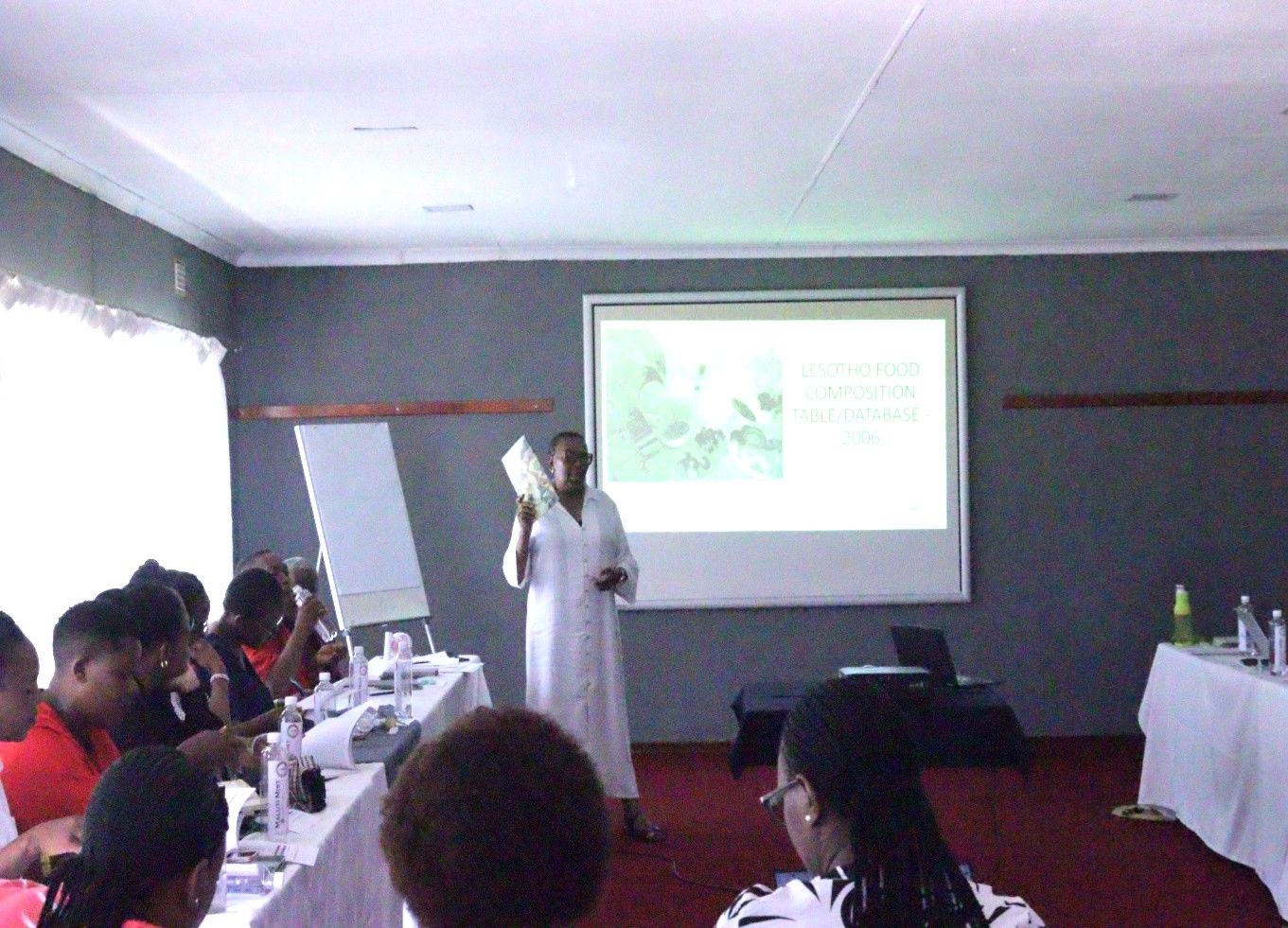
Ms Lephole
Participants applied what they had learned in three group exercises, using the Lesotho table to plan menus for different individuals, groups and communities. Where local data were missing, they consulted online food composition tables from other countries. A short FAO video and links to downloadable tables gave participants resources they could use after the workshop.
Extending the training and improving the table
The feedback revealed a challenge beyond missing data. Some participants said they had kept a copy of the table for years but had been unsure how to use it. Others said the demonstration would make their work easier and wished they had encountered the resource sooner. Participants also highlighted the role of nutrition education in helping households make informed food choices within their budgets.
Subject to funding, similar workshops are proposed for seven other districts. In the meantime, participants were encouraged to use the table in their day-to-day work, record any gaps they encounter, and share what they learned with colleagues who could not attend. DAR officers pledged to provide technical support as needed. That follow-up will help identify which additions and improvements would make the next edition more useful for menu planning, dietary assessment, and nutrition education.
The author, Rethabile Nchee, is the Chief Research Officer at the Ministry of Agriculture and Food Security and serves as the CCARDESA Information, Communication and Knowledge Management (ICKM) Focal Point for Lesotho.