
The African Union Commission and the Government of Tanzania convened the mission from 18 to 20 November 2026. It aimed to review Tanzania’s progress in the implementation of the declaration and identify investments that could boost domestic production of wheat, maize, rice and edible oils, reduce import dependence and strengthen food security.
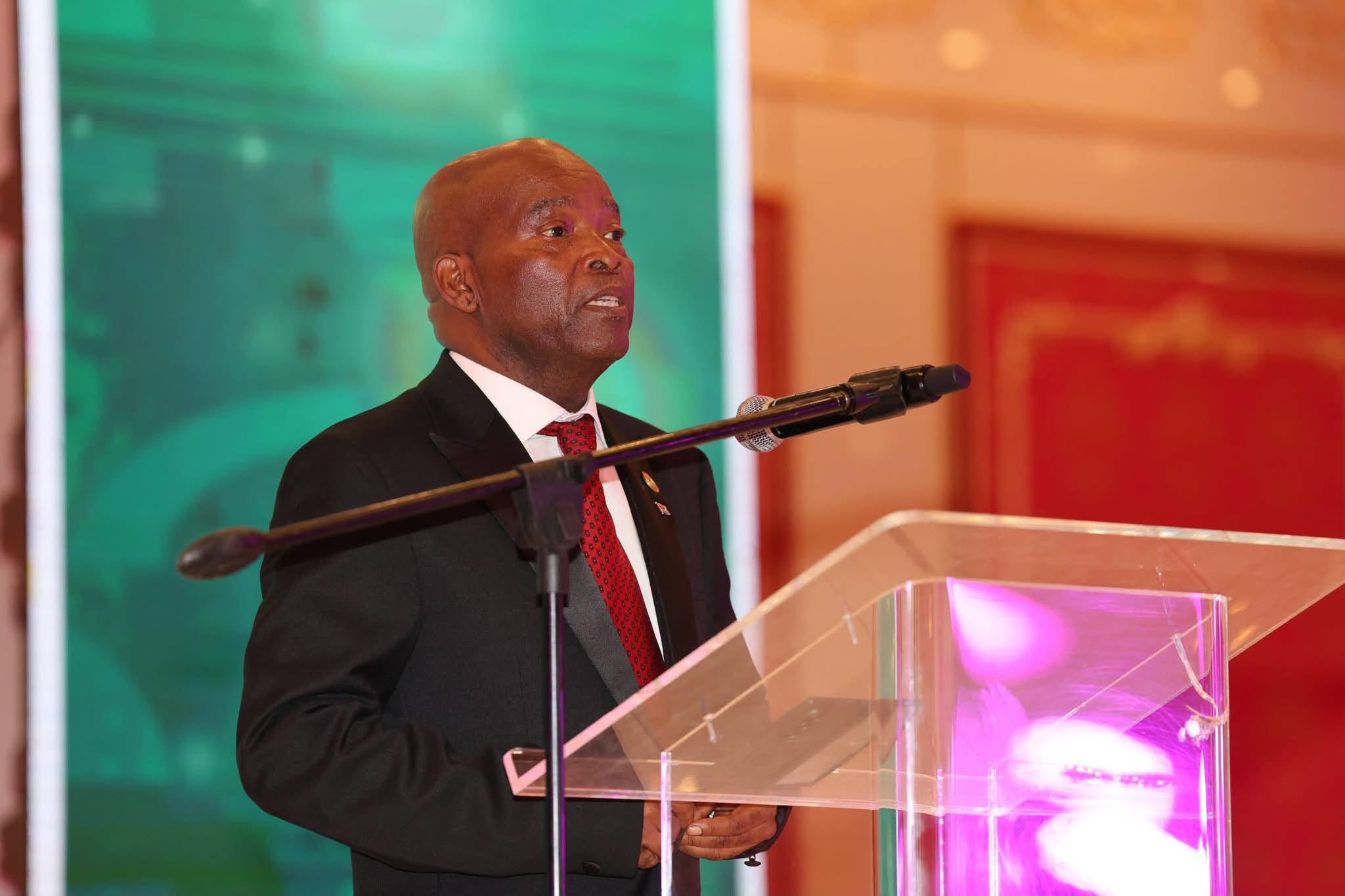
The official opening programme on 19 November began with welcome remarks from Tanzania’s Ministry of Agriculture, followed by remarks from development partners, the Government of South Sudan and the Southern African Development Community (SADC). Commissioner Vilakati’s statement followed, and Tanzania’s Minister of Livestock and Fisheries was scheduled to officially open the meeting.
Mr Dagmore Tawonezvi, Acting Executive Director of the Centre for Coordination of Agricultural Research and Development for Southern Africa (CCARDESA), represented the Centre and delivered remarks on behalf of the SADC Secretariat. He highlighted the SADC Regional Soil and Fertilizer Hub as a practical example of cooperation between the two institutions. SADC established the hub, which CCARDESA hosts in Botswana, and CCARDESA provides technical assistance to countries setting up national hubs. Mr Tawonezvi invited Tanzania to draw on this support as it advances soil health mapping and local fertiliser blending to better match fertiliser to local soil and crop needs.
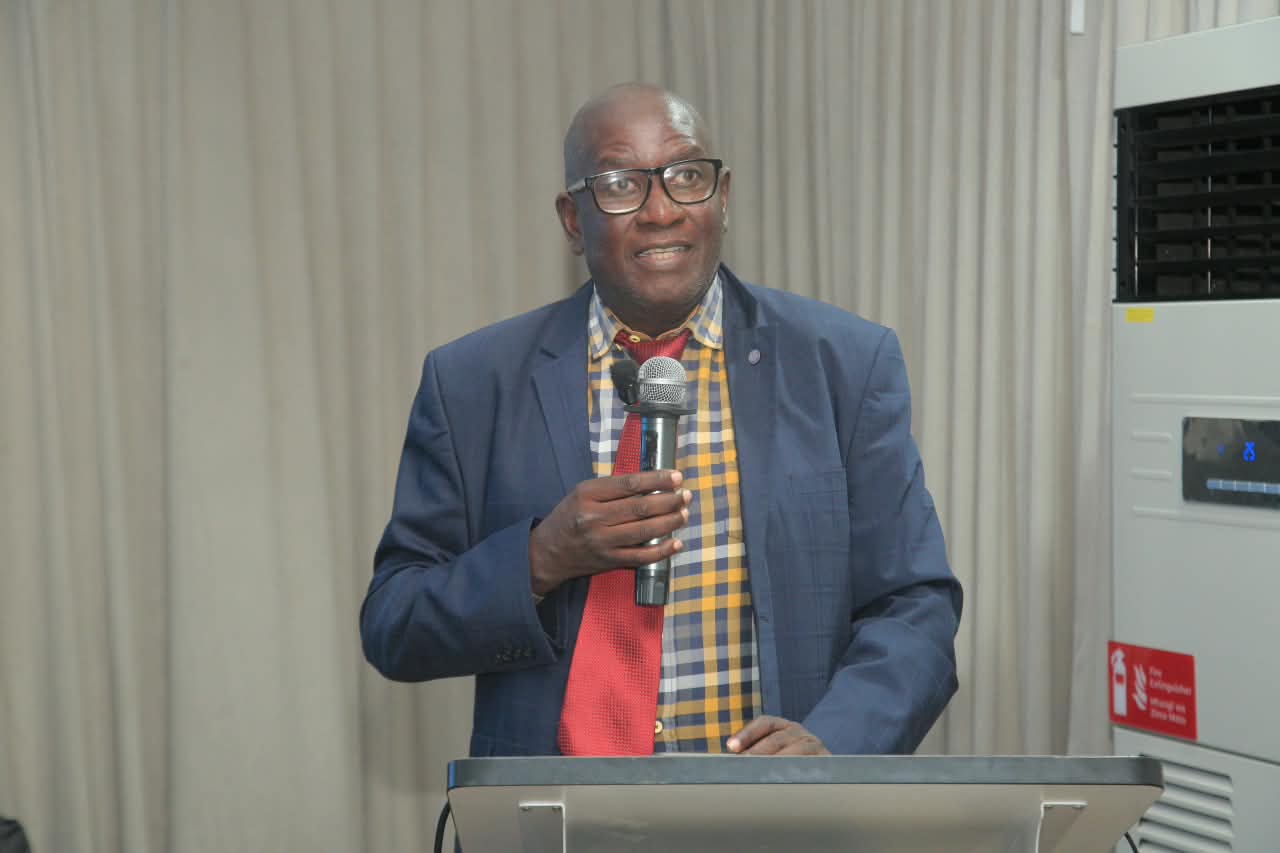
Mr Tawonezvi also highlighted climate-resilient seed systems, irrigation and mechanisation as priorities for improving farm productivity and helping smallholder farmers manage climate shocks. He noted that the SADC Regional Agrifood Systems Investment Plan was revised in 2025 to align with the Kampala Declaration and underscored Tanzania’s role in regional food security and agricultural trade as a member of both SADC and the East African Community.
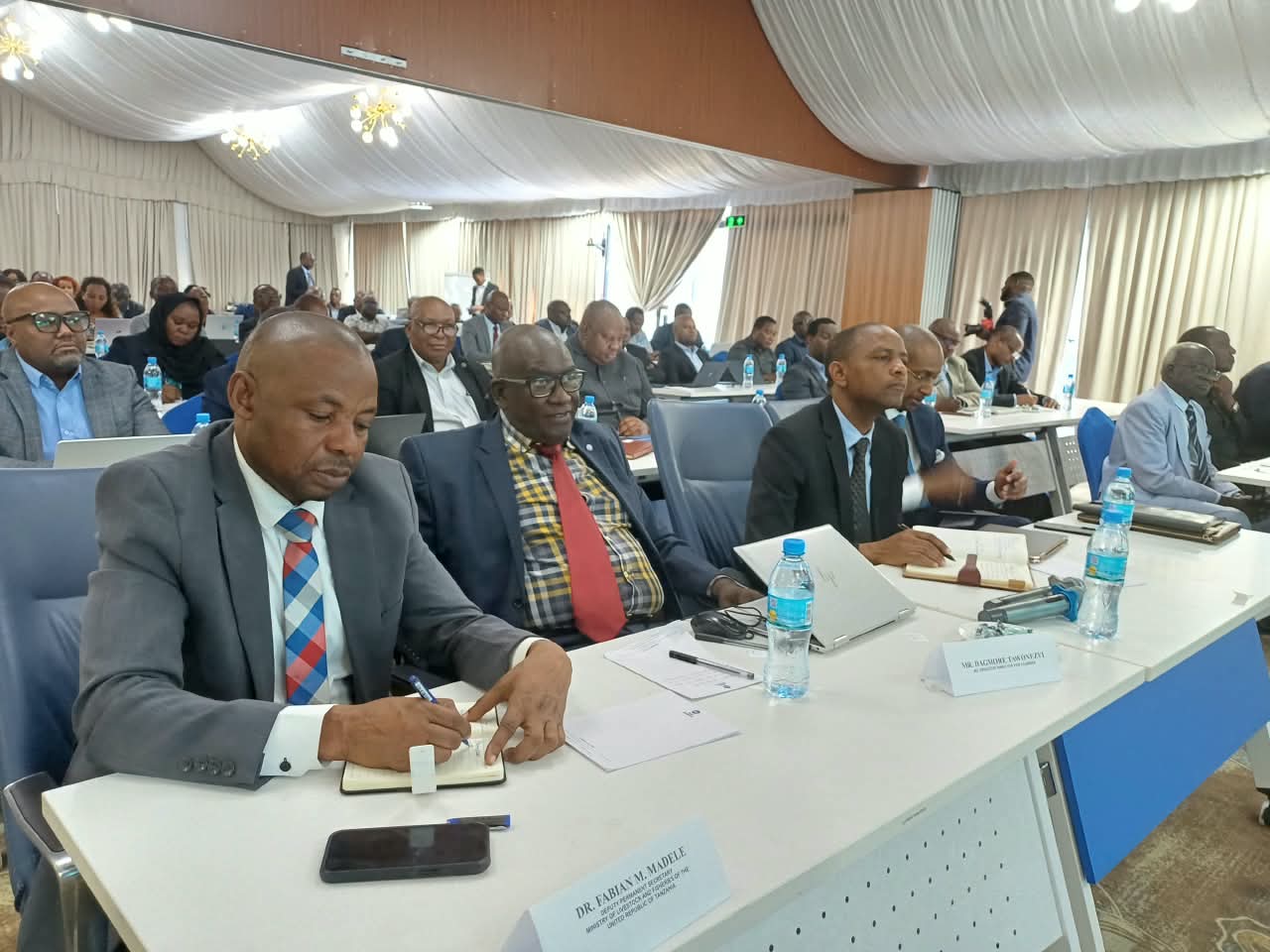
After the opening, the programme scheduled a presentation by the African Union Commission on the Kampala Declaration and its 100-Day Rolling Plan, followed by presentations from Tanzania and South Sudan on their agrifood priorities and opportunities. The African Network of Agricultural Policy Research Institutes (ANAPRI) was then scheduled to present on Farmers Know Your Soil and the Oil Seed Economy, followed by reflections from government, private-sector, research and development partners.
Technical sessions were organised around soil health, fertiliser systems and irrigation, as well as seed systems, priority crop value chains, livestock, fisheries and aquaculture. On the final day, working groups were scheduled to present a draft priority action plan and roadmap for discussion on priority actions, responsible institutions, partnerships, and next steps.