By Felix Mothatego
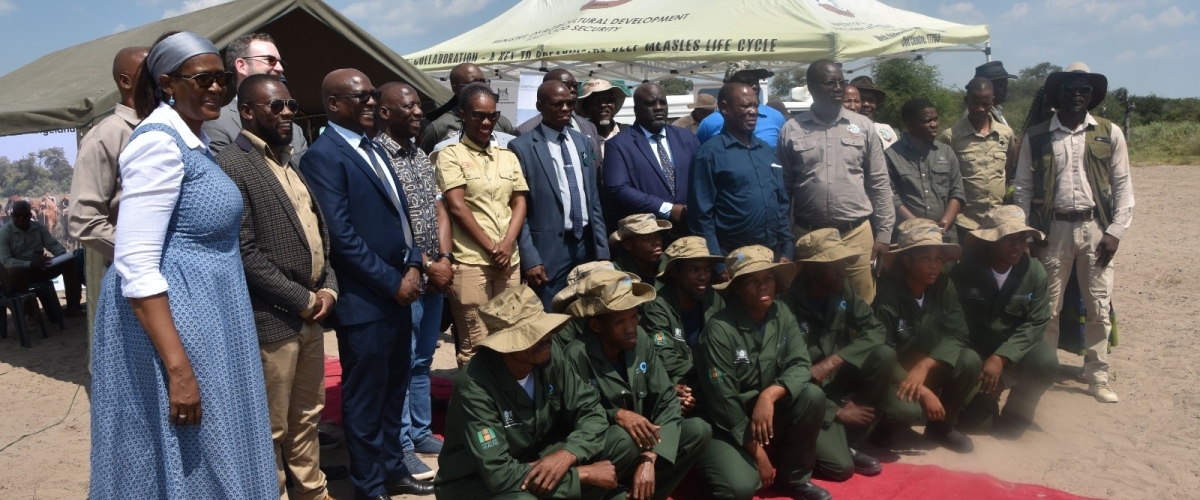
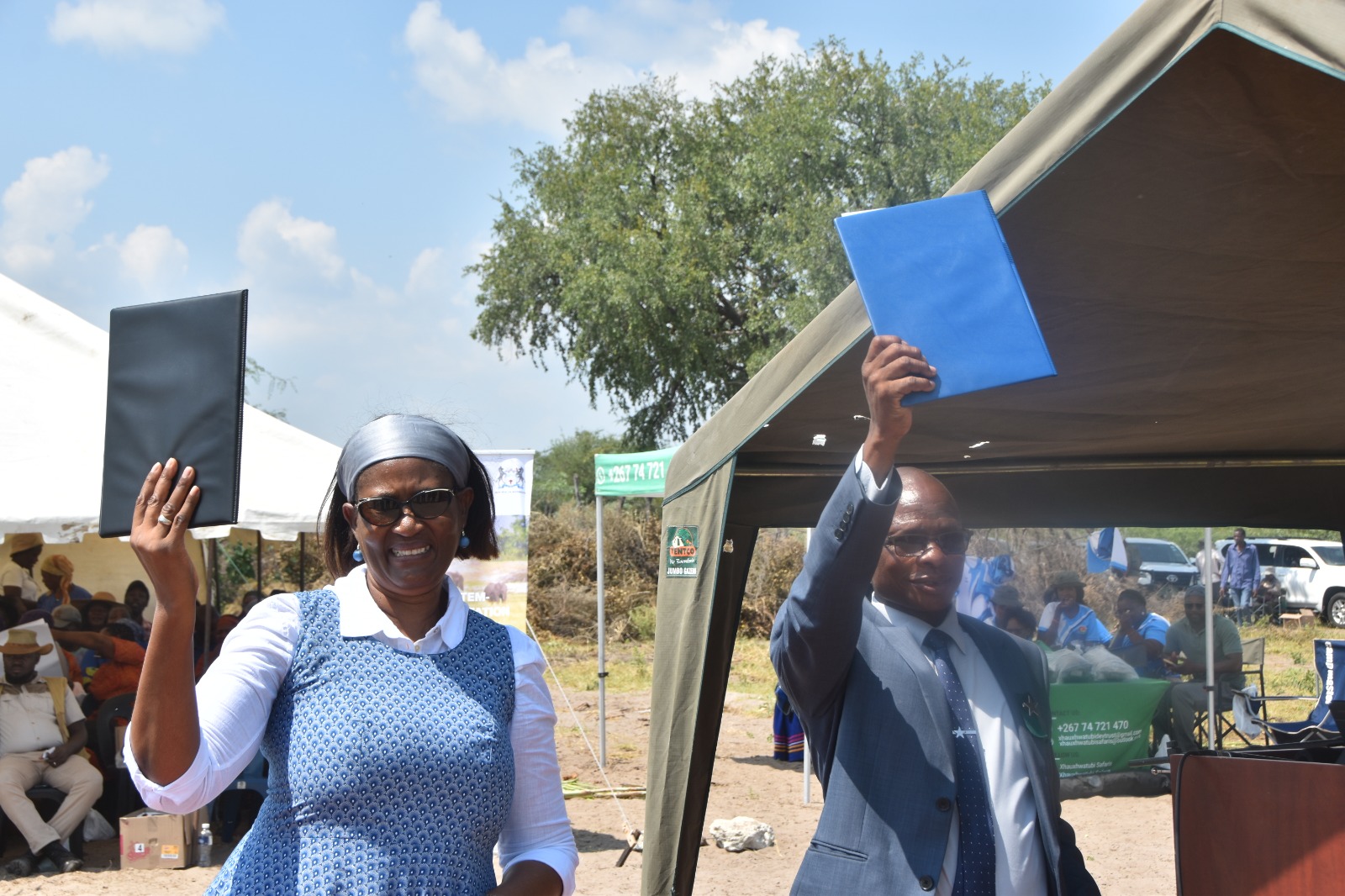
Conservation International, in partnership with the Phuduhudu community in the North West District, recently signed an implementation agreement for the Ecosystem-Based Mitigation and Adaptation in Botswana Communal Rangelands Project.
The initiative is based on a rangeland stewardship agreement, through which the community identifies specific conservation and restoration actions it commits to undertake. In this arrangement, the community is responsible for implementing these actions, while the project provides support to offset the associated costs.
For instance, restoring degraded land may require equipment, labour, and technical expertise, resources that communities may not readily have. The project bridges this gap by providing support such as trained ecologists, infrastructure like kraals, and access to water to enable effective land management. The agreement was signed by Kgosi Johane Tholego Ngwengare on behalf of the Phuduhudu community, with Village Development Committee Chairperson Sekgalo Mareka as a witness. Conservation International Botswana was represented by Country Director Portia Segomelo. The signing marks the official start of the project. The project will be implemented using the Herding for Health model, which promotes sustainable livestock management and rangeland restoration through structured support packages for participating communities.
SUPPORT FROM THE GREEN CLIMATE FUND
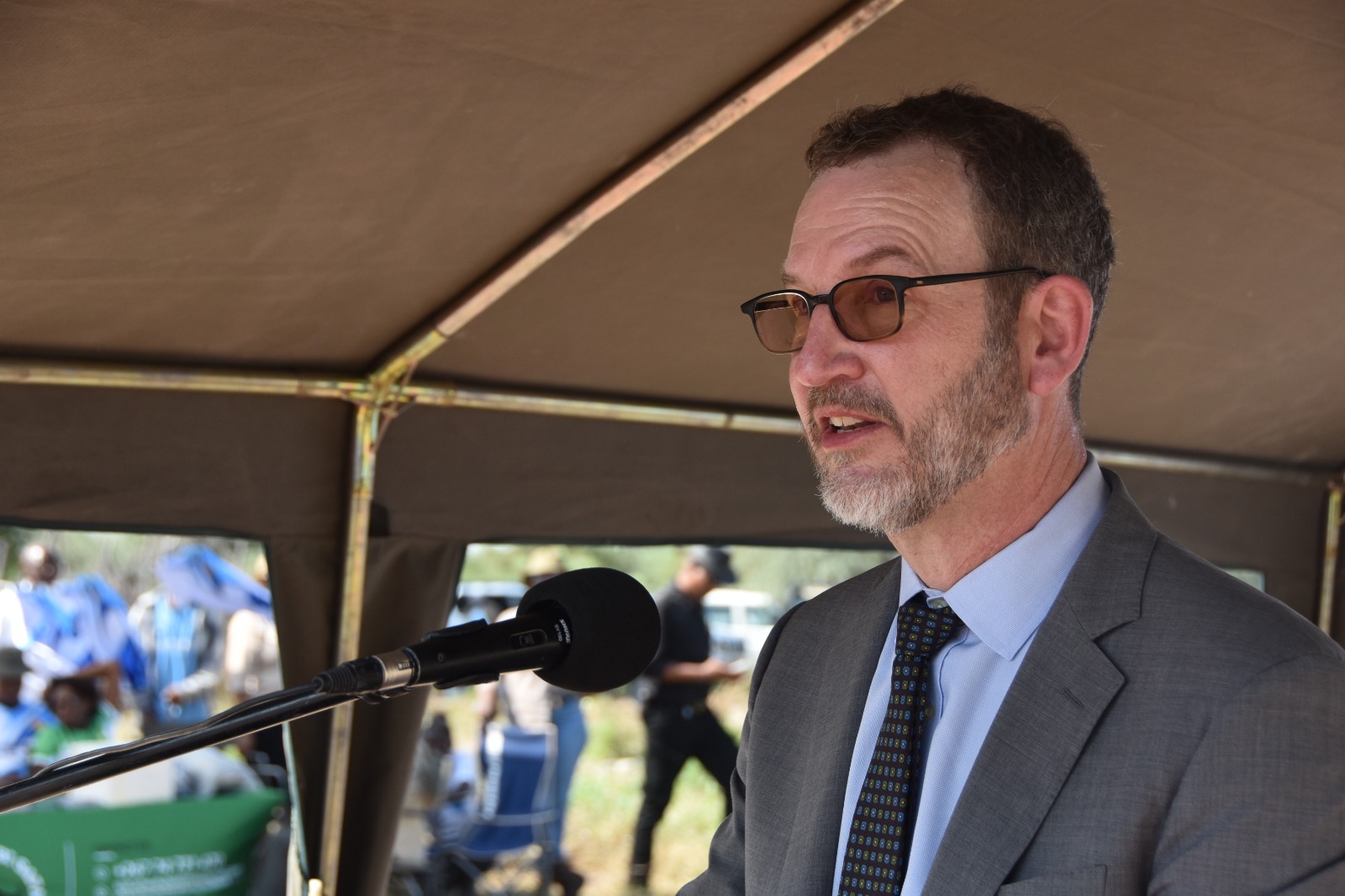
Steven Panfil, Vice President for the Green Climate Fund (GCF) at Conservation International, said the project brings GCF resources to complement the Government of Botswana’s efforts to build climate resilience.
The Green Climate Fund, established under the United Nations Framework Convention on Climate Change, is the world’s largest climate fund. It supports countries through partnerships that involve governments, communities, the private sector, and organizations such as Conservation International.
Panfil explained that all GCF-funded projects must deliver measurable results, including reduced greenhouse gas emissions and increased resilience among communities. He noted that this project is particularly significant because it spans the SADC region and focuses on reducing emissions while strengthening the resilience of farmers who depend on healthy, drought-resistant livestock.
He emphasized that the project is built on the principle that healthy ecosystems support healthy communities. He also highlighted that such a large-scale initiative is only possible through strong partnerships, acknowledging the Government of Botswana,particularly the Ministry of Lands and Agriculture, for its leadership and coordination role.
COMMUNITY-LED APPROACH AND PARTNERSHIPS
Panfil stressed that the project places communities at its core, with grazing plans developed collaboratively and grounded in local knowledge. This joint design process ensures that interventions are practical, relevant, and sustainable.
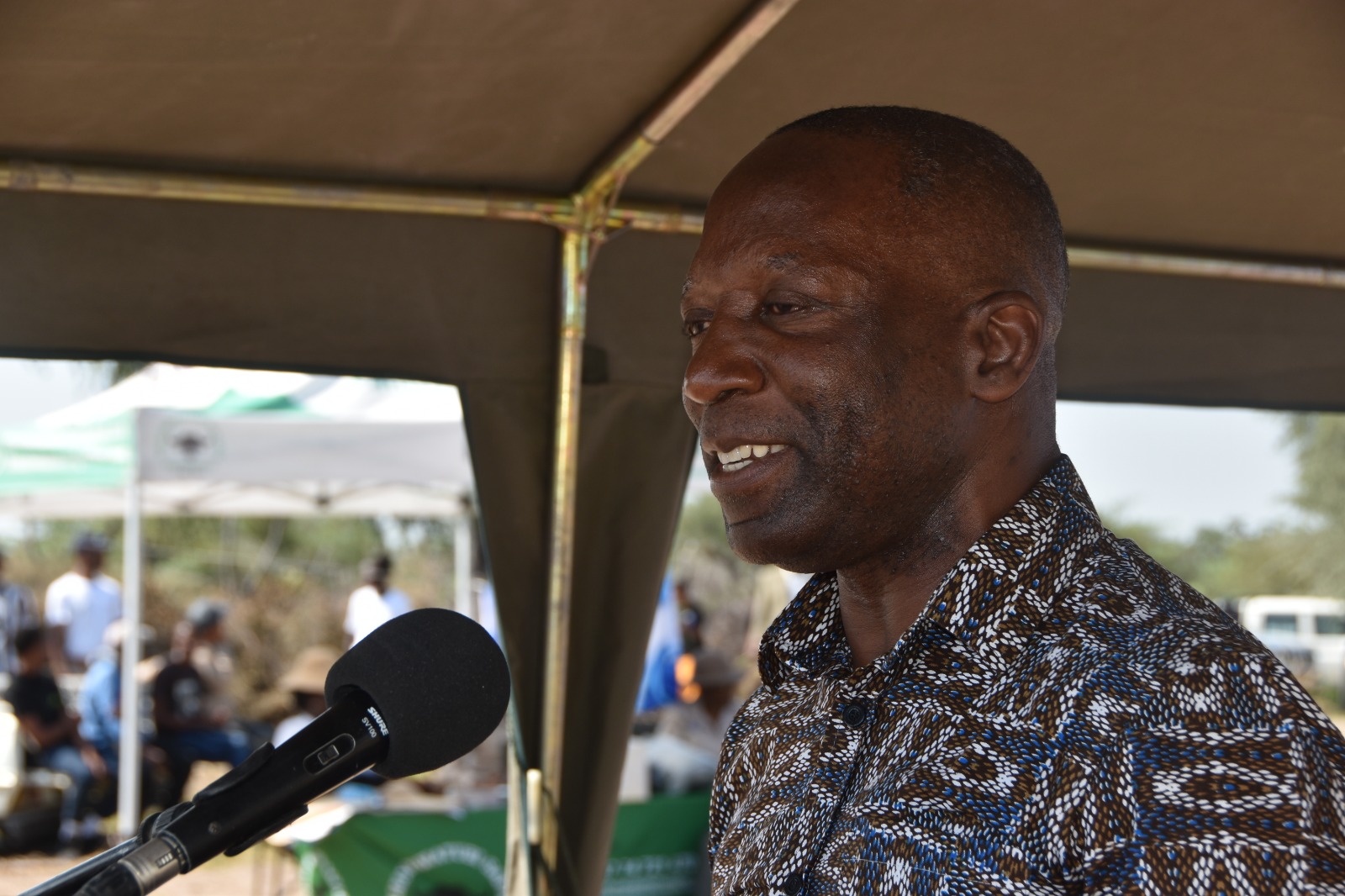
Jimmiel Mandima, Senior Vice President of the Africa Field Division at Conservation International, described Herding for Health as a flagship programme that offers hope for Botswana’s landscapes, livestock, and livelihoods. He noted that Africa’s strength lies in its natural resources, which provide food, water, medicine, and cultural identity. However, he warned that without action, climate change will degrade these resources and negatively impact communities. Mandima said the project forms part of a broader African agenda to restore degraded landscapes, reduce pressure on ecosystems, and support resilient, nature-based economies. Conservation International has committed an initial investment of P600,000 to kick-start the initiative. Mandima highlighted that climate challenges such as bush encroachment, water scarcity, and veld fires make programmes like Herding for Health essential. The initiative aims to restore rangelands, improve livestock management, and empower communities to adapt to climate stress.
He emphasized that the programme is not just about conservation, but also about livelihoods and long-term resilience. Its success depends on strong local ownership, with Village Development Committees and farmers’ associations playing a central role in implementation. “If communities do not take ownership, it risks becoming business as usual,” he said, stressing that the model is designed to be community-led and community-owned.
He added that Phuduhudu will serve as a learning centre for other sites in Botswana and across Africa. The project also prioritizes skills development through roles such as Eco-Rangers and partnerships with institutions like the Botswana University of Agriculture and Natural Resources.
MARKET ACCESS AND ECONOMIC OPPORTUNITIES
Mandima further noted the importance of linking livelihoods to markets. Botswana’s livestock industry is globally respected, but faces growing competition. The project aims to strengthen market positioning by enabling communities to produce high-quality, wildlife-friendly, grass-fed beef. By working collectively, communities can improve product quality, access new markets, and increase their bargaining power. These efforts are expected to create jobs, restore land, and secure livelihoods for future generations. The project also places strong emphasis on inclusion, particularly for women and youth. Women will be supported through flexible roles in herding and restoration, as well as services that accommodate working mothers. This approach ensures that all community members, including vulnerable groups, benefit from the programme and that no one is left behind.
GOVERNMENT ALIGNMENT AND NATIONAL PRIORITIES
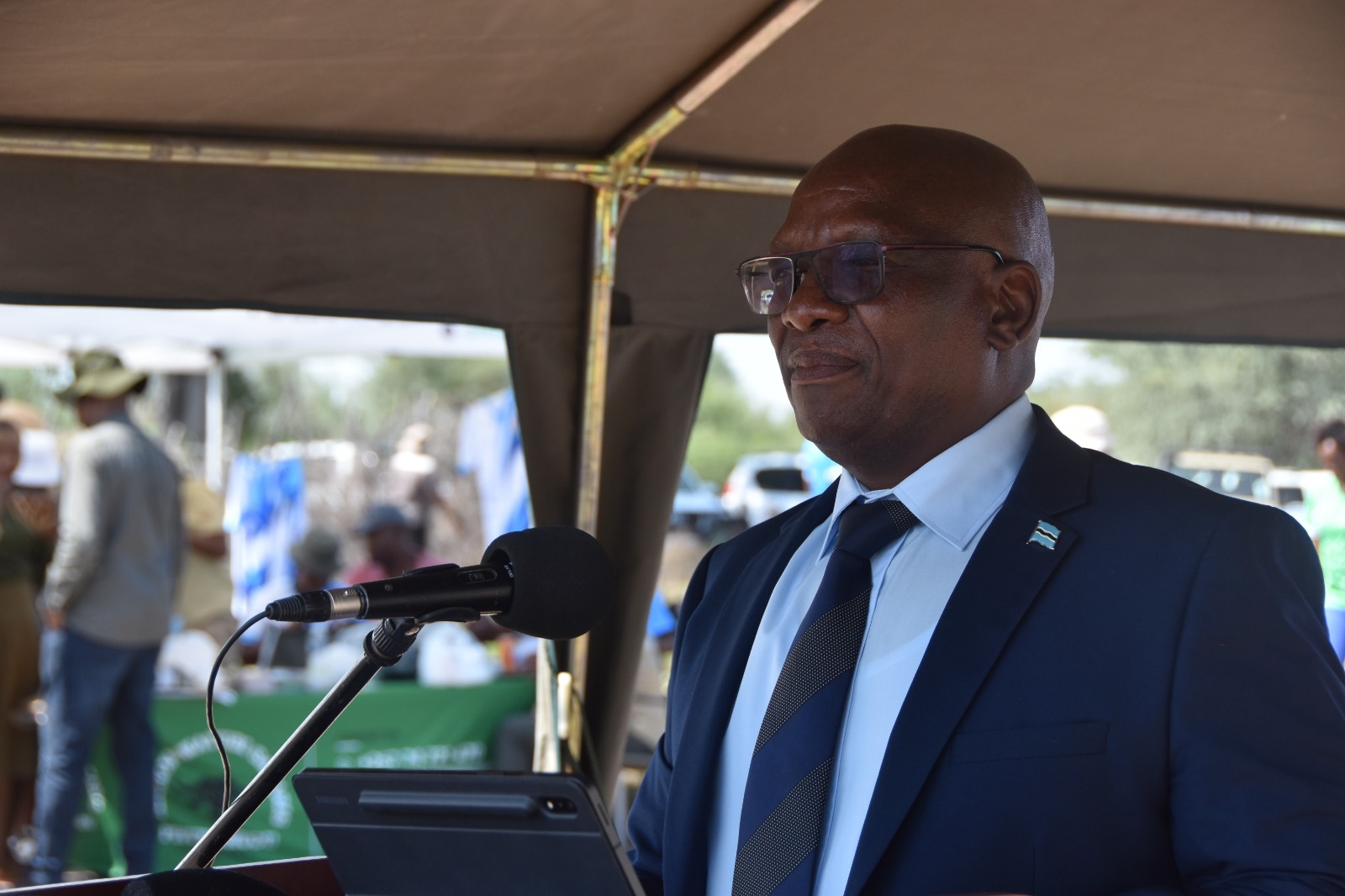
Permanent Secretary in the Ministry of Lands and Agriculture, Dr Mokganedi Mokopasetso, said the rollout of Grazing Support Packages aligns with Botswana’s broader development goals. Agriculture has been identified as a key driver of economic growth and diversification under the National Agricultural Policy (2025), National Development Plan 12 (NDP 12), and the Botswana Economic Transformation Programme. Under NDP 12, the agricultural sector is guided by 18 strategies, including value chain development, improved market access, climate-smart agriculture, sustainable land management, and strengthened policy frameworks.
GLOBAL CONTEXT AND PROJECT IMPACT
The project’s rollout in 2026 is strategically aligned with the International Year of Rangelands and Pastoralists 2026, declared by the Food and Agriculture Organization of the United Nations, positioning it within a global movement that underscores the critical role of rangelands in sustaining food systems, biodiversity, and climate resilience. The initiative will rehabilitate degraded communal rangelands, enhance forage availability, and restore key ecosystem services, while strengthening drought preparedness through adaptive grazing systems. It will also build human and institutional capacity by training and deploying Eco-Rangers, Restoration Workers, and Graduate Monitors, and fostering local stewardship of natural resources. In parallel, the project will support the transformation of the beef value chain by improving competitiveness, expanding market access, and creating community-level enterprise opportunities. At the governance level, it will reinforce district and national coordination mechanisms, contributing to more effective climate adaptation planning and implementation.
The author is a Sub Editor, Ministry of Lands and Agriculture (Botswana)