Southern Africa needs to place healthy soils at the centre of El Niño preparedness as the region seeks longer term solutions to recurring drought, food insecurity and pressure on water resources.
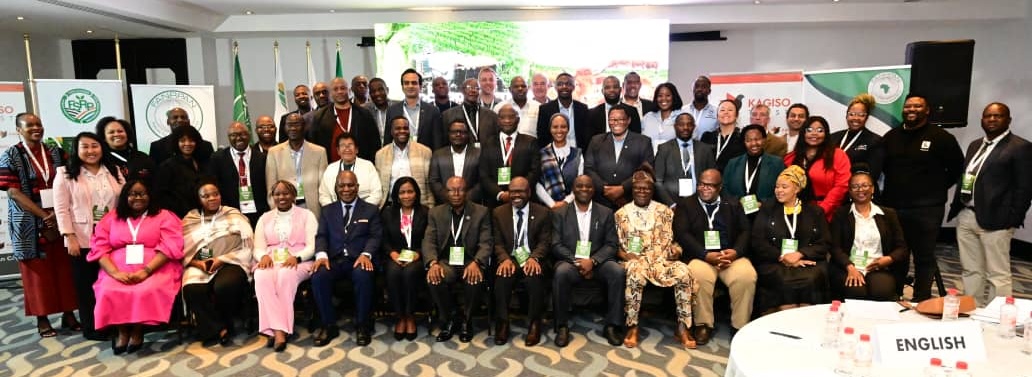
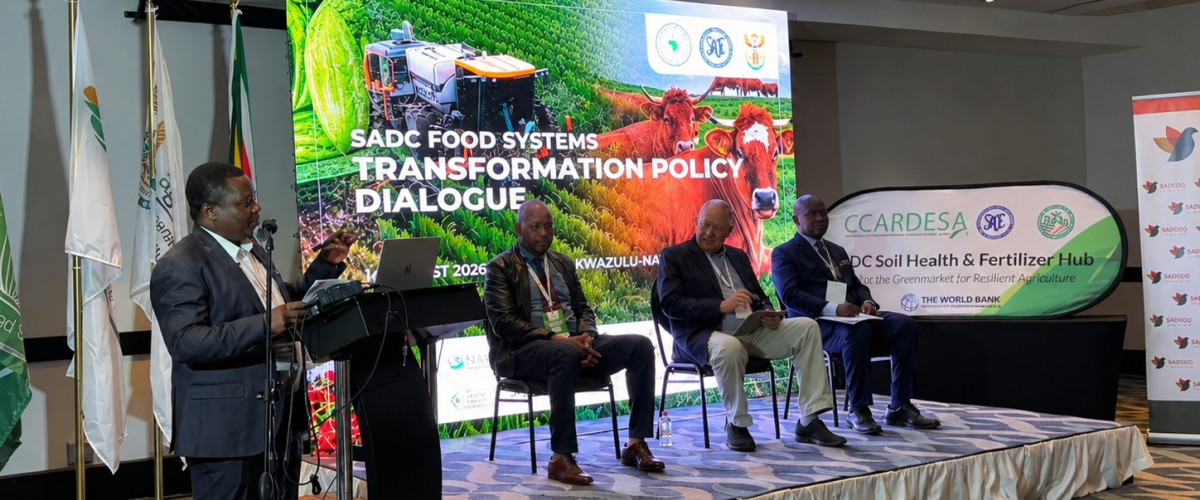
This message emerged from a SADC High Level Side Event on Soil Health as a Strategic Investment for El Niño Preparedness, Response and Resilient Agrifood Systems in Southern Africa, held on 14 August 2026 in Durban, South Africa. The dialogue brought together government representatives, agricultural experts, development partners and private sector actors to discuss how investment in soil health can reduce the vulnerability to of farming systems due to climate shocks, including the recurrent El Nino events.
The event was convened through the SADC Soil Health and Fertilizer Hub, hosted by CCARDESA, in collaboration with the SADC Food, Agriculture and Natural Resources Directorate, FANRPAN and strategic partners. The Hub is currently being operationalised through the Food Systems Resilience Programme (FSRP) as part of efforts to strengthen regional coordination and translate soil health priorities into action.
Held under the theme “From Crisis Response to Resilient Landscapes: Mobilizing Investments in Soil Health for El Niño Resilience,” the event called for a shift from repeatedly responding to climate emergencies towards investing in measures that reduce vulnerability before disasters occur.
Opening the discussion on behalf of the SADC Food, Agriculture and Natural Resources Directorate, the SADC FANR representative, Mr Duncan Samikwa, stressed that humanitarian assistance remains necessary but cannot, on its own, break the region’s cycle of vulnerability.
“We must increasingly shift our attention and investment towards preparedness, prevention and resilience,” Mr Samikwa said.
Healthy soils were identified as an important part of that shift. They retain more water, improve the efficient use of nutrients and help agricultural systems maintain productivity and recover more quickly from drought. Degraded soils, on the other hand, lose water and nutrients more easily and increase the vulnerability of farms and surrounding landscapes.
The technical discussions connected climate information with practical solutions that can strengthen resilience on farms and across landscapes.
Mr Sunshine Gamedze, a Seasonal and Climate Forecaster at the SADC Climate Services Centre, presented the regional El Niño outlook and its implications for agriculture and food systems. The discussion highlighted the importance of using forecasts and early warning information to guide preparedness before climate shocks develop into humanitarian emergencies.
Dr Geoffrey Heinrich, an agriculture and landscape specialist, focused on restoring soil health at both farm and landscape levels. Drawing on watershed management experience in southern Malawi, he illustrated how healthy topsoil allows rainfall to infiltrate and remain within the landscape for longer, while degraded land encourages rapid runoff and erosion.
Evidence presented from watersheds supported under the WALA project showed that during the severe 2015 and 2016 drought, households in most managed watersheds required little or no food assistance. Research also reported higher maize yields and improvements in soil organic matter and other soil properties.
The discussions emphasised that resilience cannot depend on a single intervention. Healthy soils need to be supported by better water management, restored landscapes, suitable crops and livestock, agroforestry, extension services and timely climate information.
Ms Thorunn Wolfram, Senior Land and Water Officer at FAO and Secretary of the Global Soil Partnership, highlighted the importance of connecting reliable soil information with sustainable soil management, appropriate fertilizer use and the protection of soil organic carbon. These elements can help countries make better decisions about where and how to invest in soil health.
The event also considered emerging approaches to addressing water constraints, including a presentation by Sir Helmut Fluhrer, CEO of RainMaker International. The discussion considered how new technologies could complement soil, water and landscape management, while stressing the importance of evidence and appropriate investment and institutional arrangements before wider application.
A major focus of the dialogue was how to move proven soil health practices and technologies from individual projects to national and regional scale. Participants highlighted the need for government leadership, stronger extension systems, appropriate financing, reliable soil and climate information and partnerships involving research institutions, development partners and the private sector.
The SADC Soil Health and Fertilizer Hub provides an important regional platform for this work. It is intended to coordinate soil restoration, sustainable fertilizer use, soil information systems and policy harmonisation while supporting Member States to establish and operationalise National Soil Health and Fertilizer Hubs.
The Durban dialogue also called for stronger links between humanitarian response, agricultural investment and climate adaptation financing. Rather than spending resources only after drought has caused severe losses, participants argued for investments that address immediate needs while strengthening agricultural systems against future shocks.
Attention now turns to converting the discussion into practical investment. Priorities include developing regional and national soil health investment packages, strengthening National Soil Health and Fertilizer Hubs and mobilising partnerships around a Soil Health and El Niño Investment Pipeline.
The message from Durban was clear: Southern Africa may not be able to prevent El Niño, but it can reduce the vulnerability of its agricultural systems before the next shock arrives. Building that resilience starts with healthier soils.