
How planned grazing, community leadership and a decade of patience are turning degraded grasslands into food, income and resilience for pastoralist families across Southern Africa
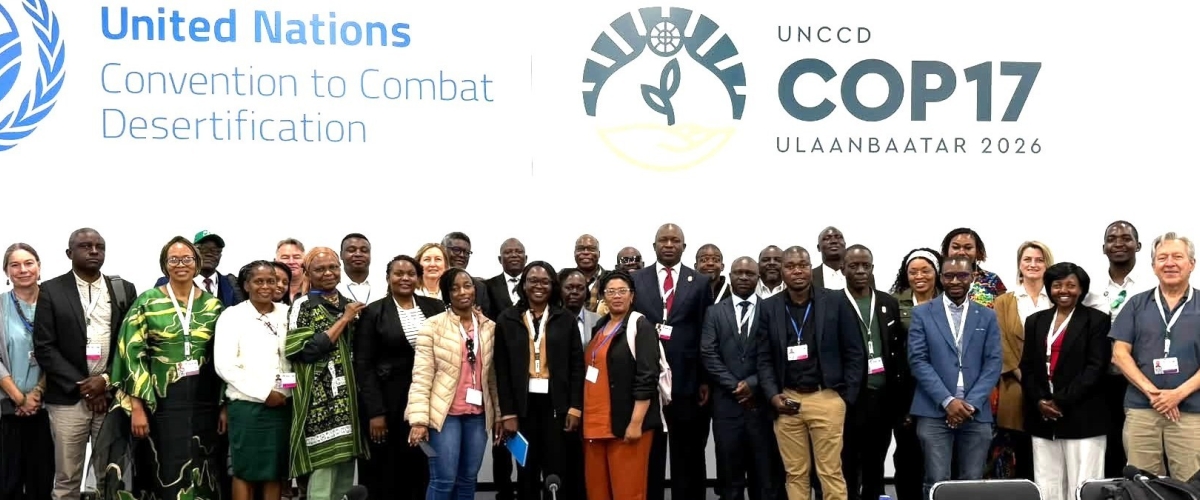
ULAANBAATAR, Mongolia, 26 August 2026 — Before the officials, scientists and diplomats spoke at this year's UN Convention to Combat Desertification (UNCCD) COP17, it was a farmer's voice that set the tone for the room.
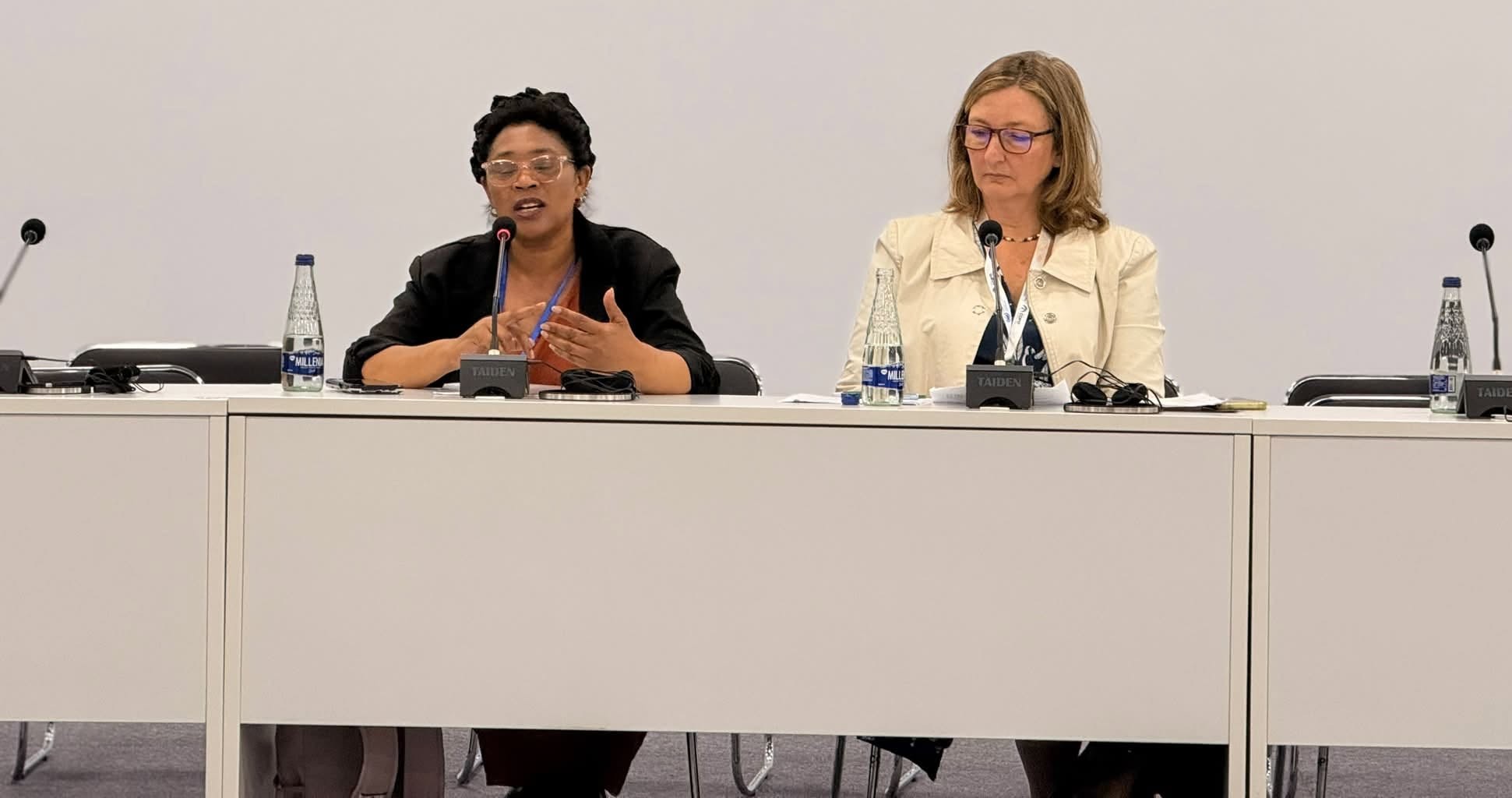
"Do not only protect the land for the people. Work with the people to protect the land, because the people who depend on the land every day must be part of the solution. If we care for the land today, we give our children a chance tomorrow. Healthy land. Healthy animals. Healthy people. A better future." — Rosina Cloete, farmer, South Africa
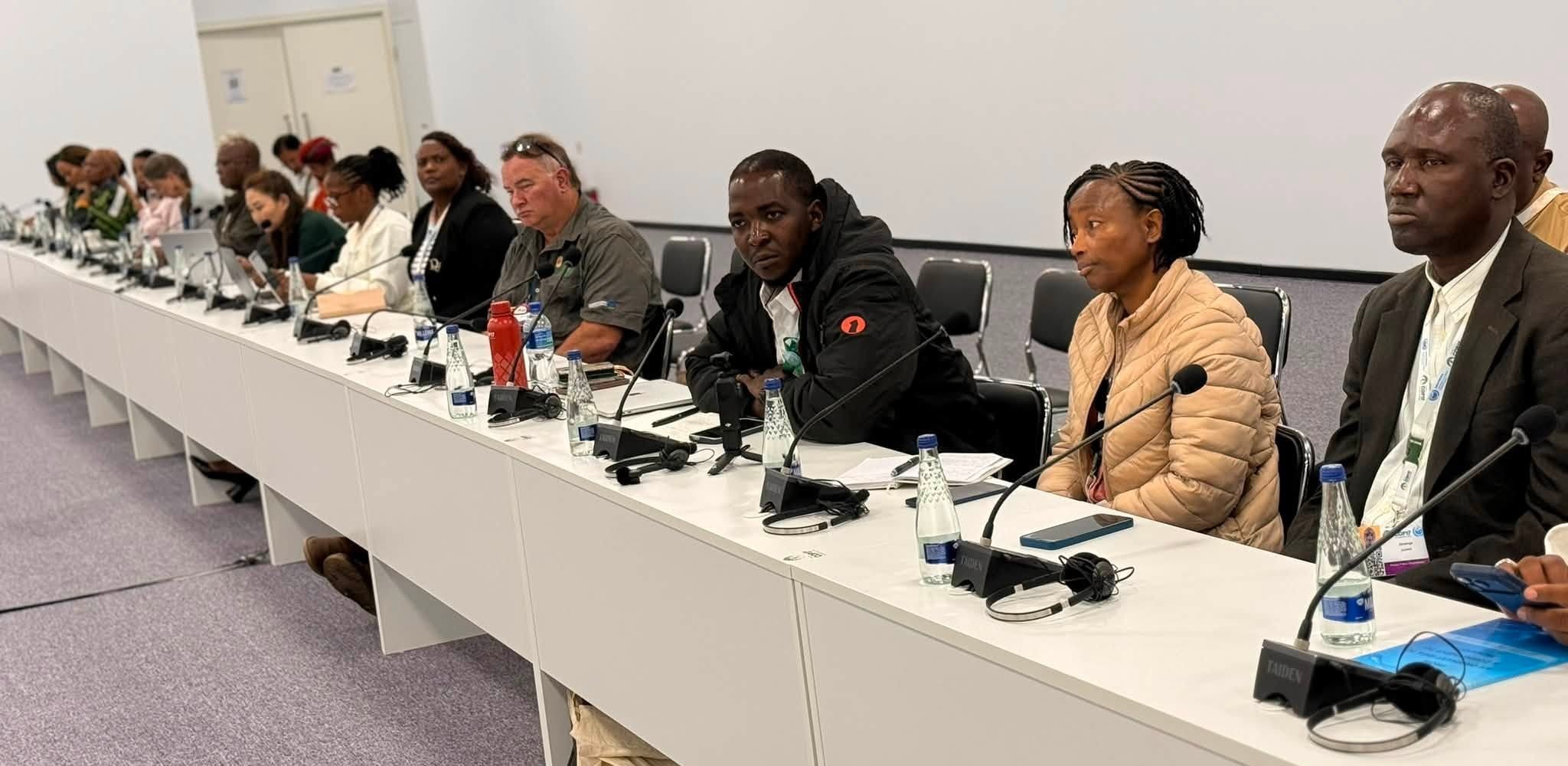
Mrs Cloete's words framed the entire discussion at “Herding for Health: Rangelands at the Heart of Sustainable Food Systems and Soil Health,” a COP17 side event that brought together governments, traditional leaders, farmers, development partners and rangeland practitioners to confront a problem too often discussed without the people who live it every day: how do you restore land that millions of rural families depend on to eat, without pushing those families aside?
For pastoralist and smallholder communities across Southern Africa, rangelands are not scenery. They are the pasture that feeds livestock, the soil that grows grain, and the safety net that stands between a family and hunger when the rains fail. Yet across the region, unmanaged grazing, insecure land rights and worsening climate shocks are pushing these landscapes, and the people who rely on them, closer to the edge.
From degraded pasture to a harvest that lasts
The programme at the centre of the discussion, Herding for Health, is built on a simple premise: restoring the land and improving farmers' livelihoods have to happen together, or neither will last. Led in the region by Zvikomborero Tangawamira, Senior Programme Manager for Herding for Health, the model combines planned grazing, animal health support, secure governance and market access. It has already brought more than one million hectares of rangeland under improved management across seven countries, supporting landscapes that, globally, sustain around 2.7 billion people.
For farmers on the ground, the results are measured in far more immediate terms. Mr Sikelenge Lunake, a farmer from Mwandi in Zambia, told the gathering that the programme had contributed to healthier animals and a significant drop in livestock deaths, alongside a visible improvement in the condition and availability of grazing land. Combining planned grazing with better livestock management and animal-health support, he said, translates into direct benefits for families whose livelihoods rise or fall with the health of their animals and their land.
In Simalaha, Zambia, the programme has also helped farmers harvest and store grass to feed their livestock through the dry season. According to Mr Kabika Kumoyo, Herding for Health Manager at Simalaha, participating farmers are now harvesting well over 200 kilograms of maize, up from around 50 kilograms before the programme began.
"Rangeland restoration does not only feed the soil; it feeds communities and contributes to food security." — Kabika Kumoyo, Herding for Health Manager, Simalaha, Zambia
Patience, water and policy: what farmers say restoration actually needs
Speakers were candid that goodwill and grazing plans are not enough on their own. Ms Caroline Rose of Conservation International pointed to water scarcity as one of the biggest obstacles to implementation, stressing that water infrastructure has to be planned alongside grazing management from the outset. She also cautioned that rangeland recovery can take up to a decade, meaning restoration efforts need patient, long-term financial and institutional backing rather than short project cycles.
That message was echoed by government leaders. Dr Dauti Chibamba, Permanent Secretary in Zambia's Ministry of Green Economy and Environment, opened the event by linking it to COP17's theme, “Restoring Land, Restoring Hope.”
"Restoring land is also about restoring livelihoods, strengthening food systems and building resilient communities." — Dr Dauti Chibamba, Permanent Secretary, Zambia's Ministry of Green Economy and Environment
Dr Chibamba stressed that projects alone cannot deliver sustainable restoration: governments must also provide supportive policy, water infrastructure, animal-health services, extension support and market access, while recognising farmers, pastoralists and traditional leaders as knowledge holders and implementation partners, not bystanders.
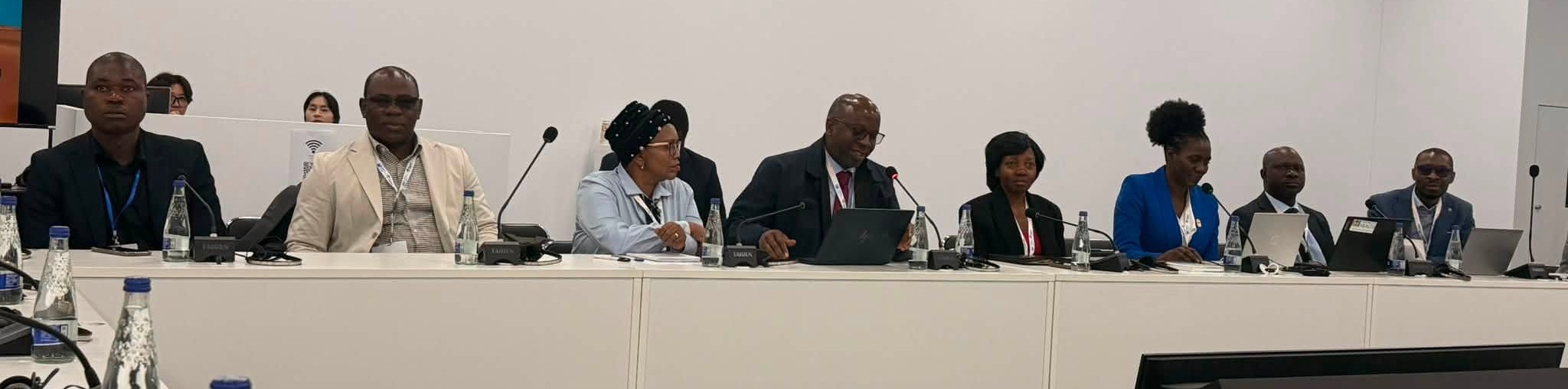
Ms Baitshepi Hill, Director in Botswana's Ministry of Tourism and Environment, described her country's own rangeland restoration efforts and called for stronger regional cooperation, noting that rangelands, ecosystems, livestock diseases and climate risks do not respect national borders.
That call for cooperation was reinforced by Dr Shepard Muchuru, Programme Officer for Climate Change at the SADC Secretariat, who pointed to regional frameworks including the regional livestock strategy and the SADC Regional Agricultural Policy, and urged stronger coordination to turn regional commitments into results farmers can feel. Ms Mayanda Kanyanta, Director in Zambia's Ministry of Green Economy and Environment, added that piloting restoration approaches and building credible evidence is essential to scaling them, alongside genuinely involving communities in co-designing programmes so that local ownership takes root.
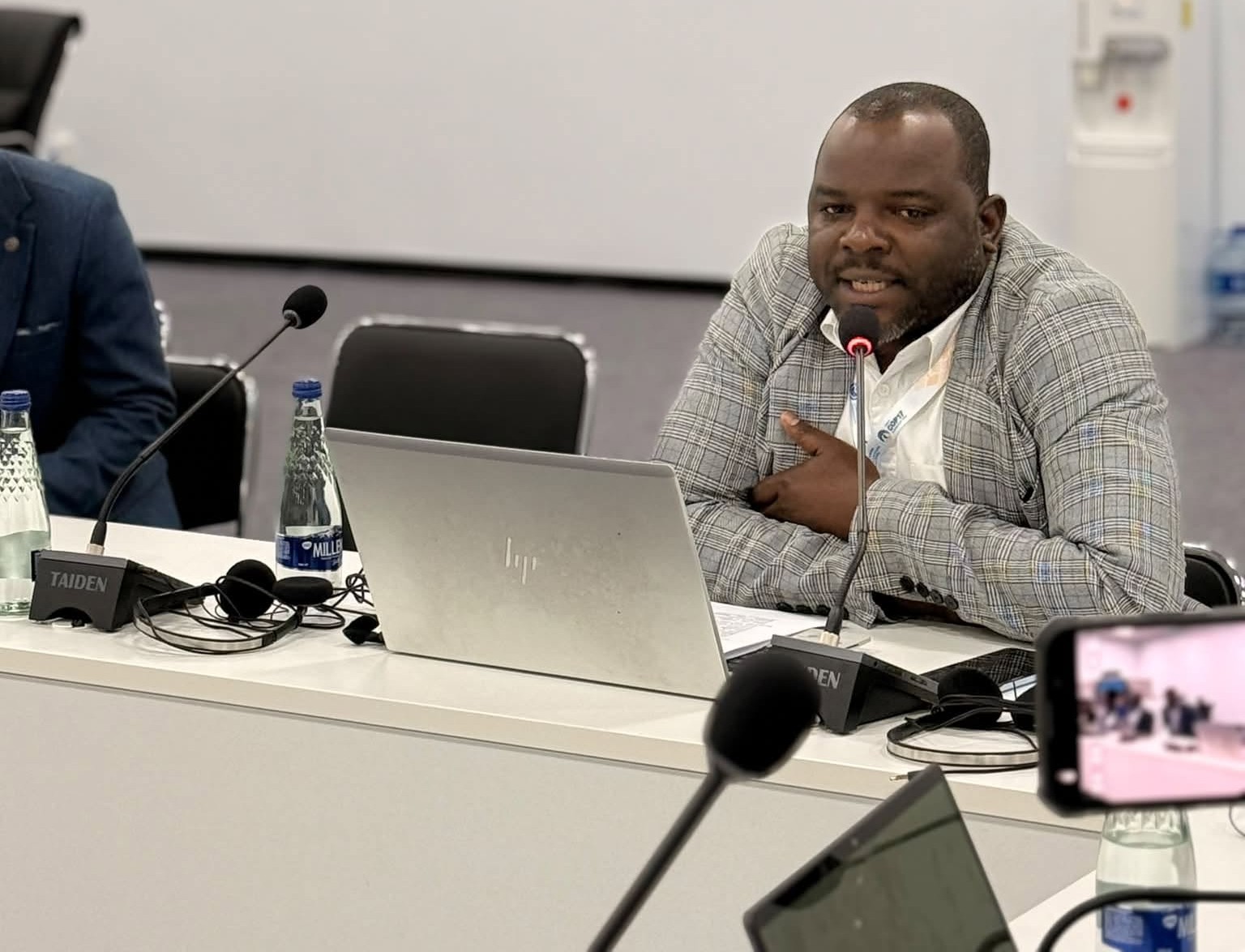
Bringing a Latin American perspective to the discussion, Mr Mauricio observed that Africa and Latin America face many of the same grassland-management challenges. He noted that some grasslands already lost in Brazil remain intact in parts of Africa, underscoring the urgency of protecting them and scaling up proven management practices before it is too late. He called for stronger collaboration between the two regions to develop sustainable financing mechanisms and viable business models for long-term restoration.
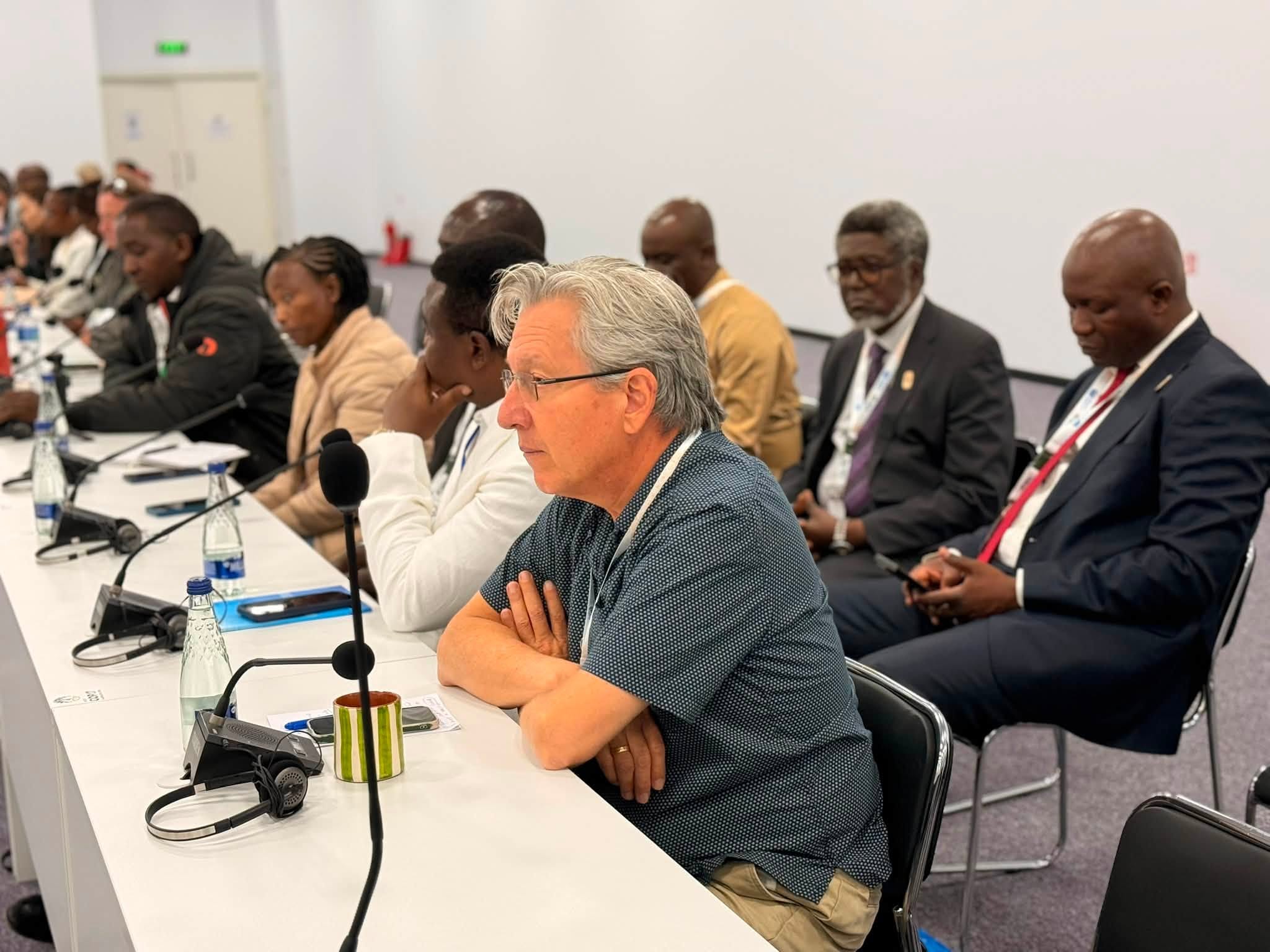
Traditional knowledge, not an afterthought
Professor James Gambiza of Rhodes University highlighted mobile bomas, temporary livestock enclosures, as a practical way to allow wildlife, livestock and communities to coexist, showing that well-managed livestock systems can support conservation, ecological restoration and rural livelihoods at the same time.
In his closing remarks, Senior Chief Sekute of Kazungula District, Zambia, spoke directly to the partners in the room on behalf of the communities such programmes are meant to serve.
"Do not overlook traditional leadership; engage us throughout implementation and use the indigenous knowledge passed down through generations for the benefit of present and future communities." — Senior Chief Sekute, Kazungula District, Zambia
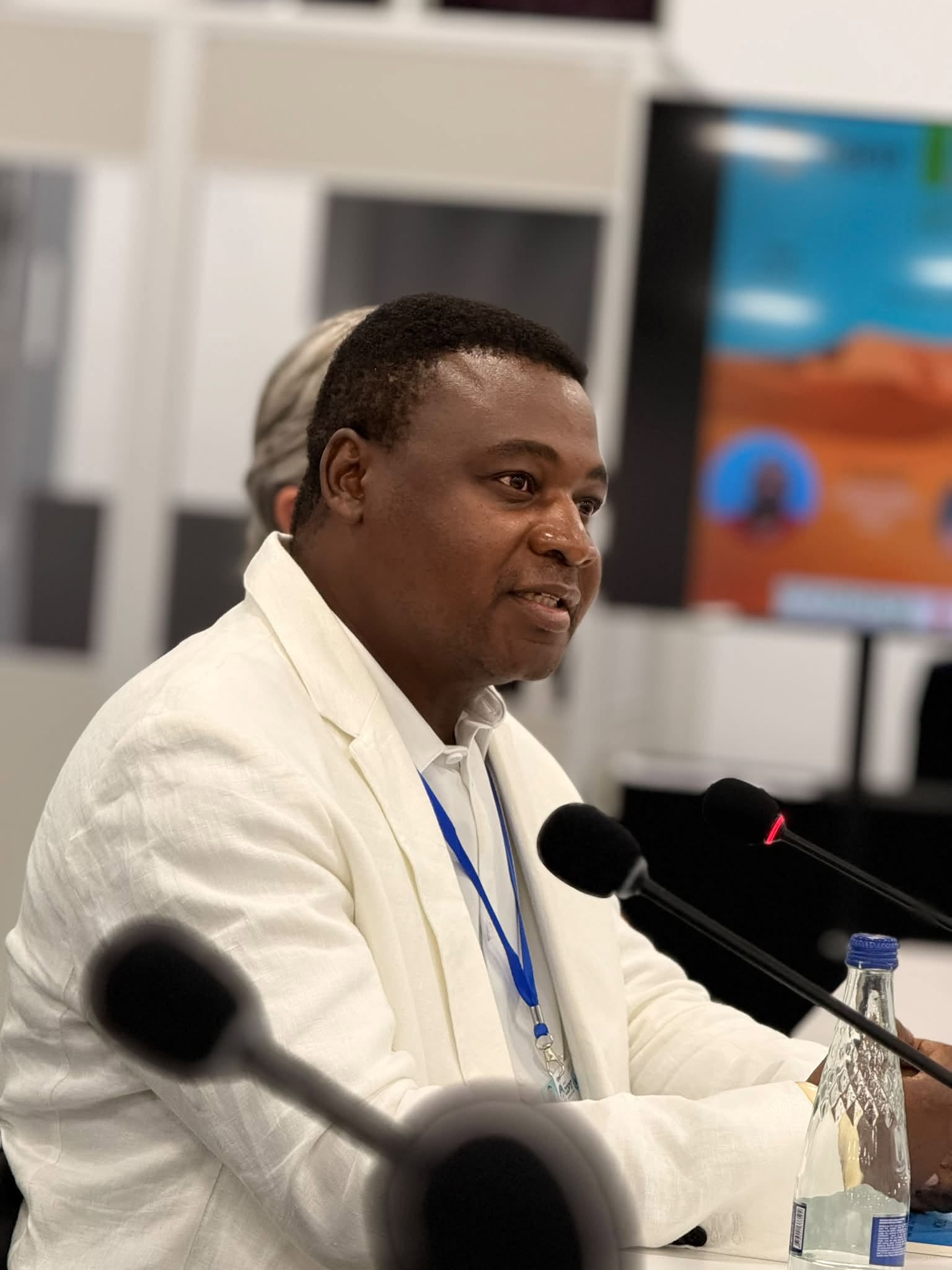
What it will take to scale
Participants agreed that scaling Herding for Health beyond its current footprint will require long-term financing that blends public investment, development funding and responsible private-sector participation. They also noted that rangeland restoration is not a niche concern: by tackling land degradation, strengthening climate resilience and conserving biodiversity, it speaks directly to all three Rio Conventions at once.
But for the farmers whose testimony anchored the discussion, the case for investment is simpler than any policy framework: healthier land means healthier animals, which means more food on the table and a future worth handing to their children.
As Mrs Cloete put it, restoring land and restoring livelihoods are, in the end, the same project. “Healthy land. Healthy animals. Healthy people. A better future.”
The IKI Growing Greener programme is funded by the German Federal Ministry for the Environment, Climate Action, Nature Conservation and Nuclear Safety through the International Climate Initiative (IKI). Its consortium partners are GIZ, CCARDESA, Peace Parks Foundation and Conservation South Africa.
https://www.ccardesa.org/ccardesa-herding-health-h4h-knowledge-management-project