
Rising tensions and conflict between the United States and Iran are beginning to have ripple effects far beyond the Middle East, with tangible consequences now being felt across Southern Africa’s food systems. What may appear to be a distant geopolitical crisis is increasingly shaping fuel prices, farming decisions, and ultimately the cost of food across the SADC region.
At the center of the disruption is the Strait of Hormuz, a critical global oil transit route through which roughly a fifth of the world’s petroleum passes. The recent instability linked to the conflict has constrained supply and driven global oil prices upwards, with crude reaching around $119 per barrel in March 2026. For fuel importing regions such as Southern Africa, this surge has translated almost immediately into higher domestic fuel prices.
In Botswana, for instance, the impact has been particularly sharp. The Botswana Energy Regulatory Authority recently announced significant fuel price increases, with petrol (ULP 95) rising by 505 Thebe to P20.00 per litre, and diesel increasing by 877 Thebe to P25.05 per litre. Just weeks earlier, petrol was retailing at approximately P15.47 per litre and diesel at P16.28 per litre. This represents increases of nearly 30 percent for petrol and more than 50 percent for diesel within a short period.
These adjustments reflect global trends, as diesel prices have surged internationally, in some cases by over 90 percent, driven by supply disruptions and heightened uncertainty in energy markets. Botswana, like most SADC countries, relies heavily on imported fuel, leaving it exposed to external shocks over which it has little control. The country’s limited fuel reserves, estimated at just over three weeks of supply, further heighten vulnerability during periods of global instability.
Similar patterns are emerging across the region. In South Africa, recent adjustments saw diesel prices increase by more than 7 Rand per litre, the largest recorded hike to date, while petrol rose by over 3 Rand per litre. The increases triggered localized shortages and panic buying in some urban areas, underscoring the sensitivity of domestic markets to global supply disruptions. Other fuel importing economies in the region, including Zambia and Malawi, are also facing mounting pressure as import costs rise and currencies remain under strain.
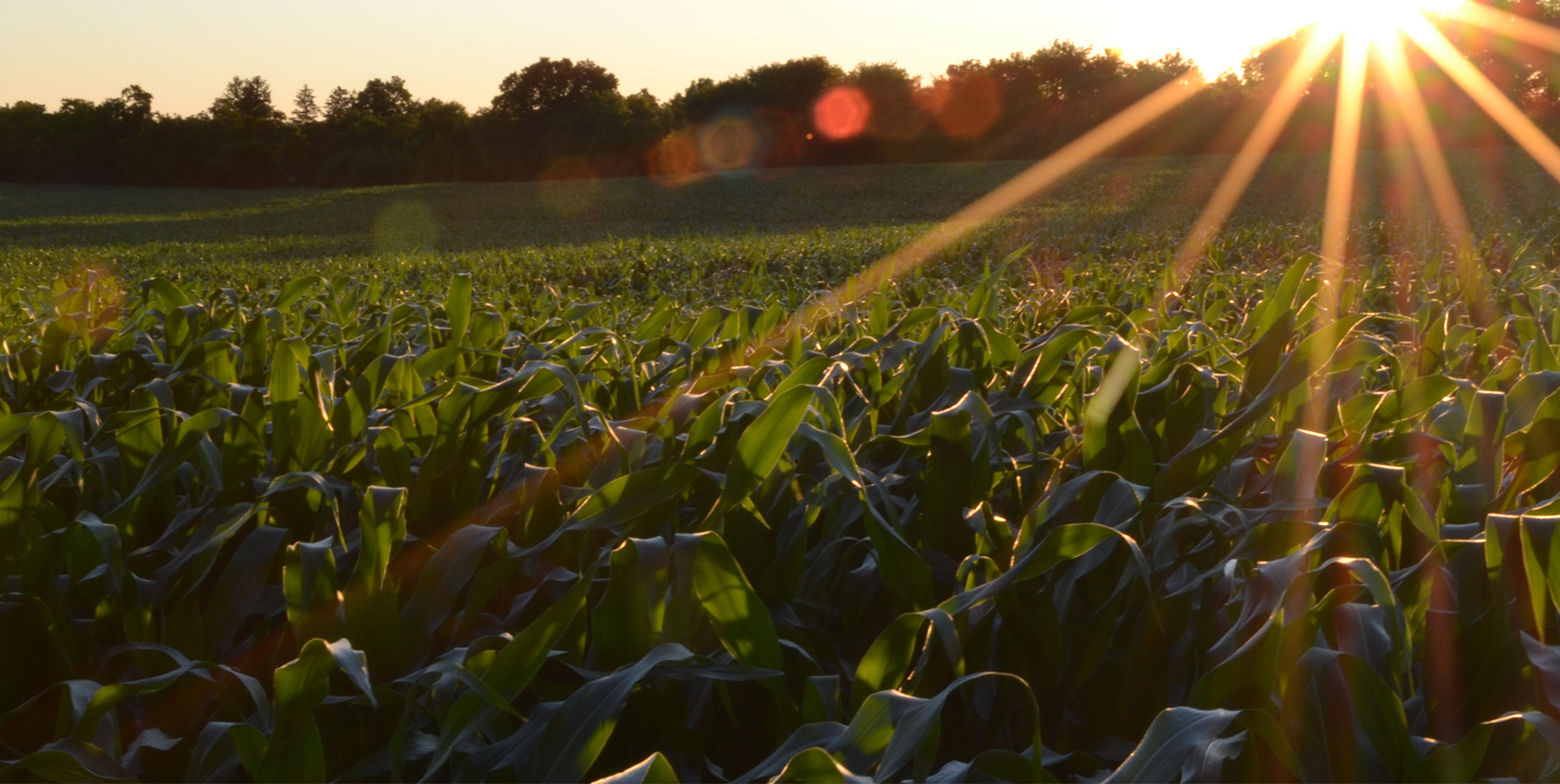
While the immediate impact is visible at fuel stations, the deeper effects are unfolding across agricultural systems. Farming in Southern Africa is highly dependent on fuel, from land preparation and irrigation to the transportation of inputs and harvested produce. As diesel prices climb, the cost of operating tractors, water pumps, and transporting goods rises sharply.
At the same time, fertilizer prices are also under pressure due to global supply chain disruptions linked to the same conflict. For many farmers, the combined increase in fuel and input costs is forcing difficult choices. Some are reducing the size of planted areas, others are cutting back on fertilizer use, and many are delaying or scaling down production altogether.
These decisions, taken across thousands of farms, have direct implications for food availability. Lower input use typically leads to reduced yields, while higher production costs feed into higher market prices. Even in cases where harvests remain stable, the cost of transporting food from production areas to markets is rising, pushing retail prices upward.
In Botswana, early signs of this trend are already evident, with rising fuel costs contributing to broader inflationary pressures, particularly in food categories. Across SADC, similar dynamics are unfolding as transport costs increase and cross border trade becomes more expensive, placing additional strain on already vulnerable food systems.
The situation highlights a critical but often overlooked reality: food systems are deeply intertwined with energy systems. A disruption in global oil supply does not only affect fuel availability. However, it shapes the entire agricultural value chain, from production to processing, distribution and consumption.
For a region already grappling with climate variability, reliance on imported inputs, and structural vulnerabilities in food systems, the current crisis adds another layer of risk. Countries that depend heavily on fuel imports and rain fed agriculture are particularly exposed, as they face simultaneous pressures from rising costs and uncertain production conditions.