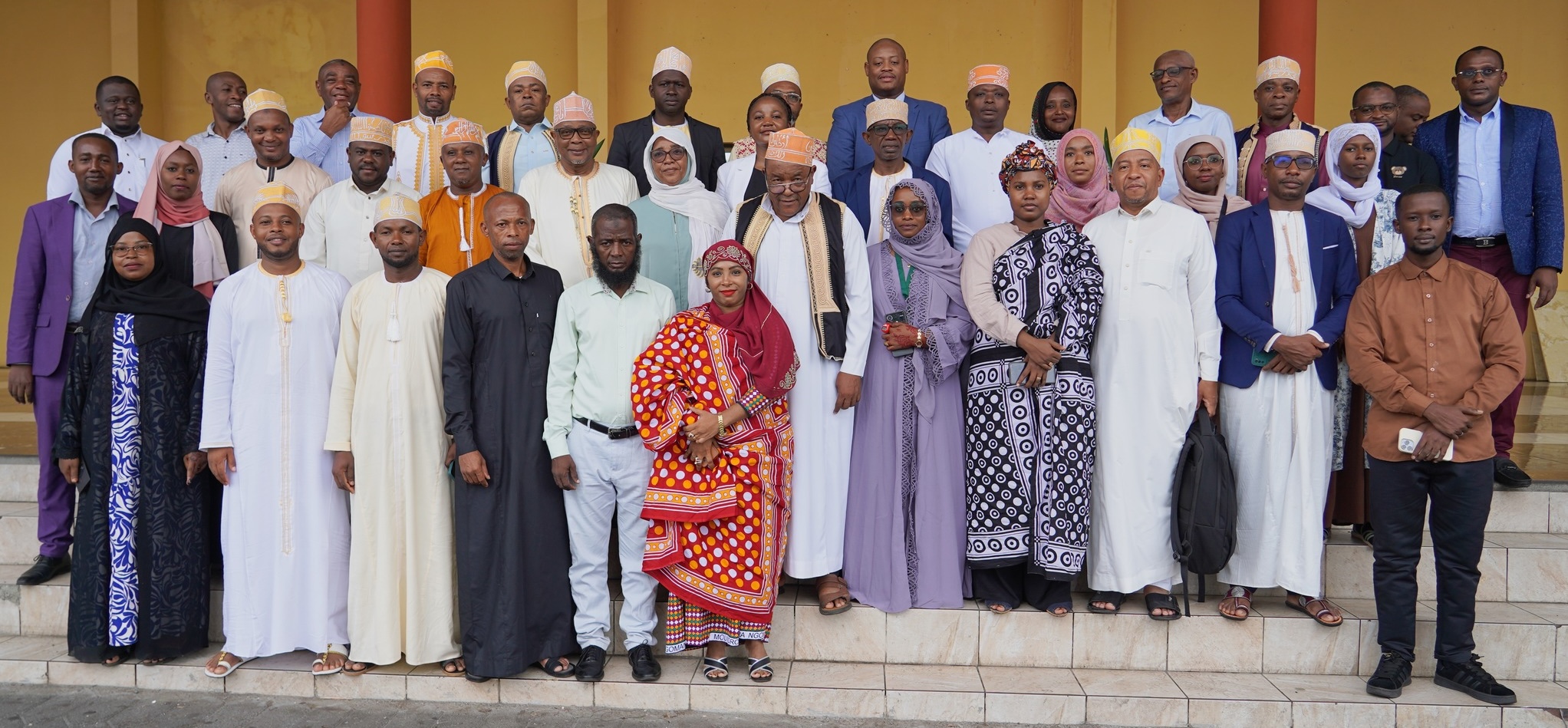


Stakeholders from government institutions, civil society, farmer organizations, and development partners across the Comoros convened in Moroni on 23 March 2026 for a national consultation on strengthening grievance redress mechanisms under the Food Systems Resilience Programme (FSRP). The programme is a World Bank supported regional initiative implemented in Eastern and Southern Africa, with regional coordination support from the Centre for Coordination of Agricultural Research and Development for Southern Africa (CCARDESA).
The consultation focused on promoting transparency, accountability, and inclusive stakeholder engagement in line with the Environmental and Social Standard 10 (ESS10) of the World Bank’s Environmental Social Framework which requires projects to ensure effective information disclosure and accessible systems for addressing public concerns.
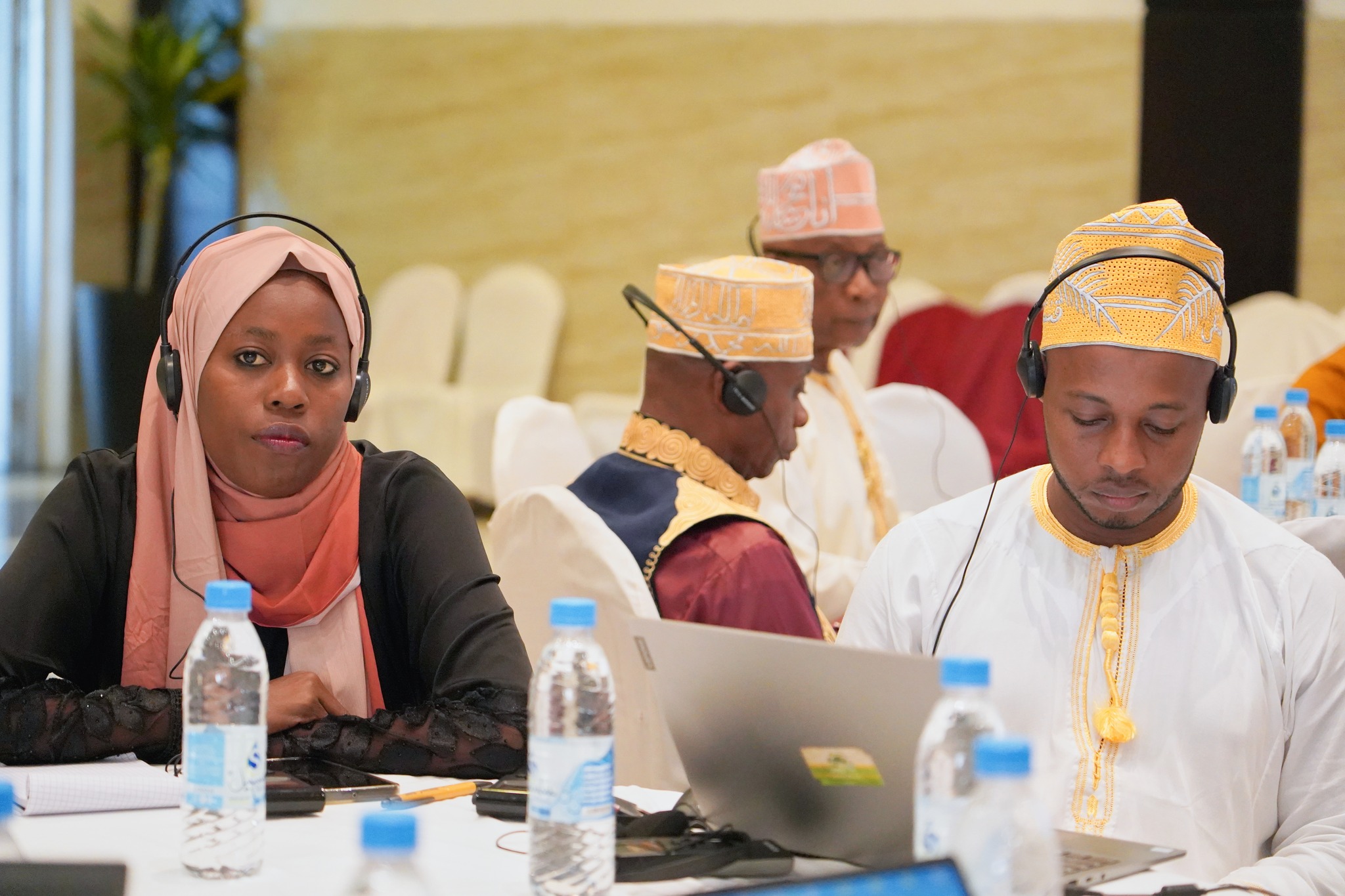
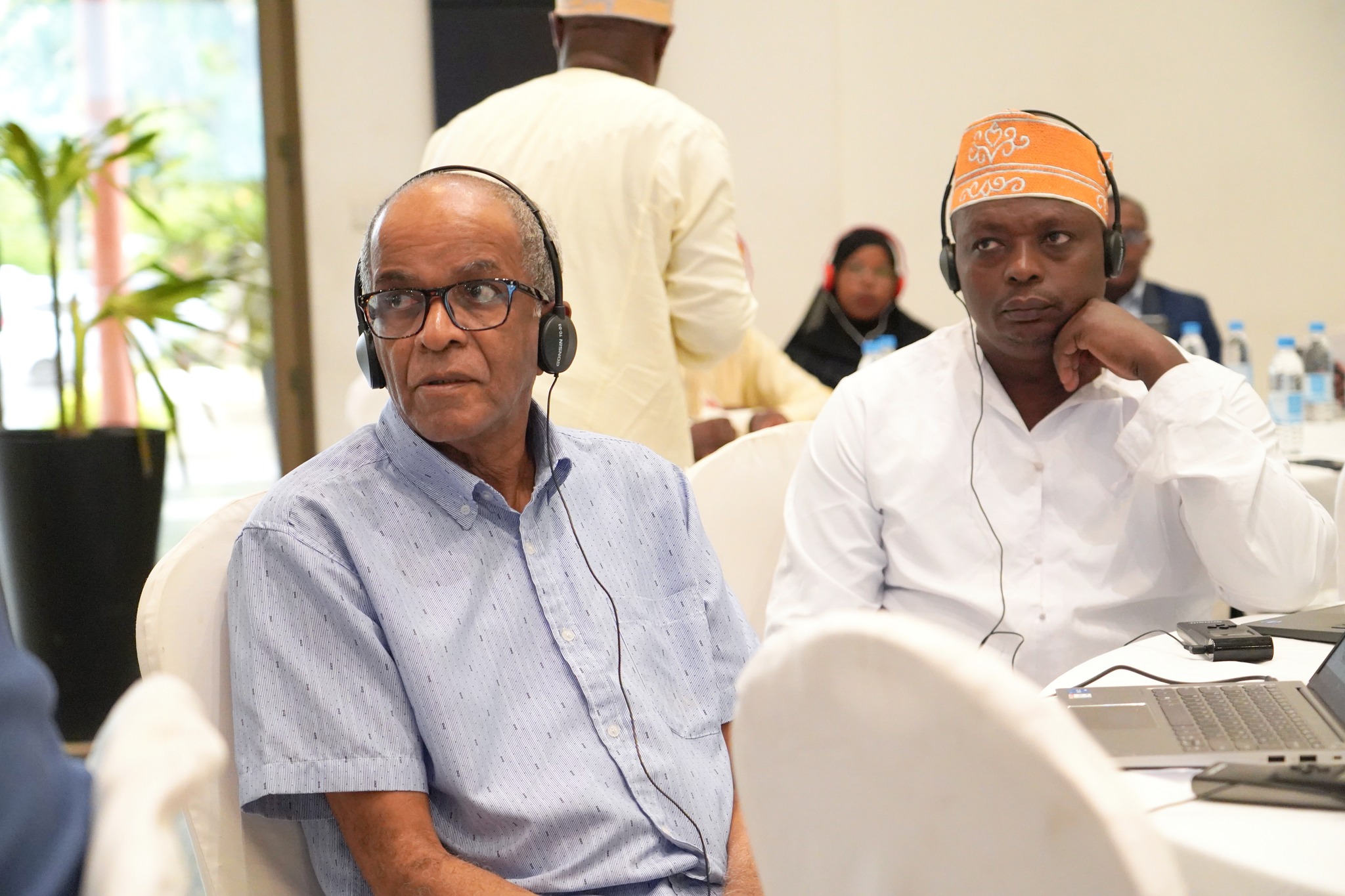
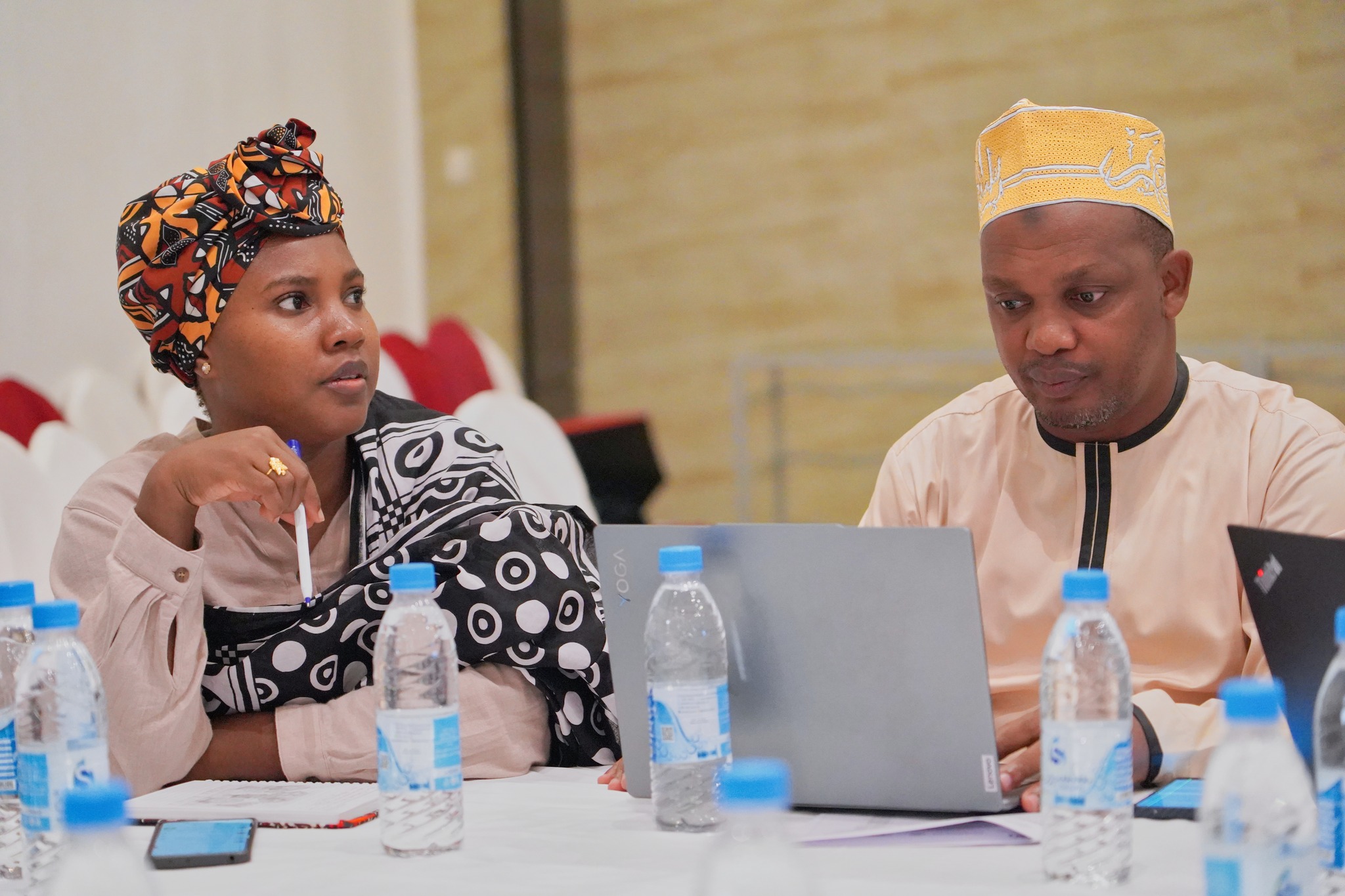
Bringing together nearly 60 participants, the workshop provided a platform to deepen understanding of the Grievance Redress Mechanism (GRM) and to align national with regional implementation approaches. Participants explored how the mechanism can serve not only as a compliance requirement, but also as a practical tool for strengthening trust between institutions and beneficiary communities.
Discussions highlighted that an effective grievance system is fundamental to the success of complex, multi country agricultural programmes. The GRM developed under the FSRP offers a structured process for receiving, recording, and resolving complaints related to programme activities, including issues such as resource allocation, procurement management, social impacts, and the exclusion of vulnerable groups.
 |  |  |  |
Designed to be accessible, transparent, and responsive, the mechanism enables stakeholders ranging from directly affected communities to interested parties to raise concerns through multiple channels, including in person submissions, digital platforms, and formal communication pathways. It also incorporates safeguards to ensure confidentiality, fairness, and timely resolution, while providing escalation pathways from national committees to regional structures and, where necessary, to the World Bank’s grievance system.
Participants further reflected on the broader objectives of ESS10, emphasizing the importance of inclusive engagement throughout the project lifecycle. Particular attention was given to ensuring that vulnerable groups, including women and marginalized communities, can effectively access and benefit from grievance systems that are often constrained by barriers such as language, limited awareness, and fear of reprisal.
Beyond raising awareness of the GRM, the consultation aimed to strengthen coordination between regional and national actors and to gather stakeholder feedback to enhance programme delivery.
The FSRP is supporting several countries in Eastern and Southern Africa to build resilient food systems capable of withstanding climate shocks, improving agricultural productivity, and enhancing regional market integration. In Southern Africa, the programme is being implemented at country level in Comoros, Madagascar, Malawi, and Tanzania, representing a significant investment aligned with national priorities for food security and sustainable development.
Throughout the session, stakeholders in Comoros shared experiences and identified practical measures to improve the effectiveness of grievance handling systems. These included strengthening institutional coordination, enhancing communication and outreach, and establishing robust monitoring systems to track and inform responses to grievances.
Closing the workshop, the Deputy Secretary General of the Ministry of Agriculture, Mr. Ahamada Djoubeire, underscored the importance of translating dialogue into action. “A successful workshop is not measured by the quality of presentations, but by the real difference it makes in our practices,” he said, emphasizing the need for sustained commitment to improving implementation on the ground.
As the FSRP continues its implementation, the operationalization of a credible and inclusive grievance redress mechanism is expected to play a central role in ensuring that programme benefits reach intended communities while upholding environmental and social standards.