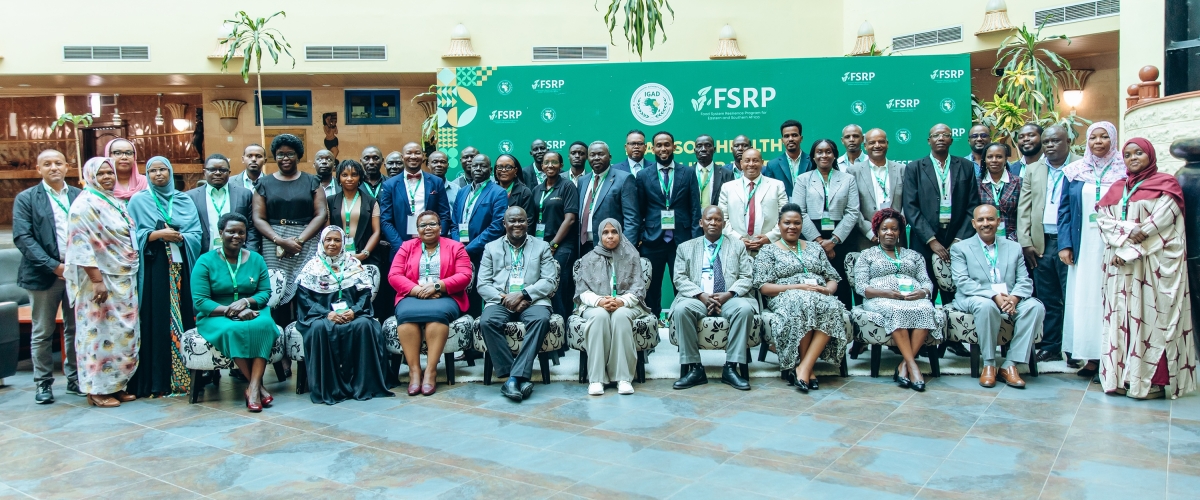
The Centre for Coordination of Agricultural Research and Development for Southern Africa (CCARDESA) shared Southern Africa’s experiences in advancing soil health and sustainable fertilizer use at the IGAD Fertilizer and Soil Health Hub Regional Learning Event held from 14 to 17 September 2026 in Entebbe, Uganda.
Held under the theme “Advancing Soil Health and Fertilizer Use for Resilient Food Systems in the IGAD Region,” the event brought together Member States, regional organisations, researchers, development partners and technical experts to exchange experiences, showcase innovations and identify practical actions for improving soil health and fertilizer use.
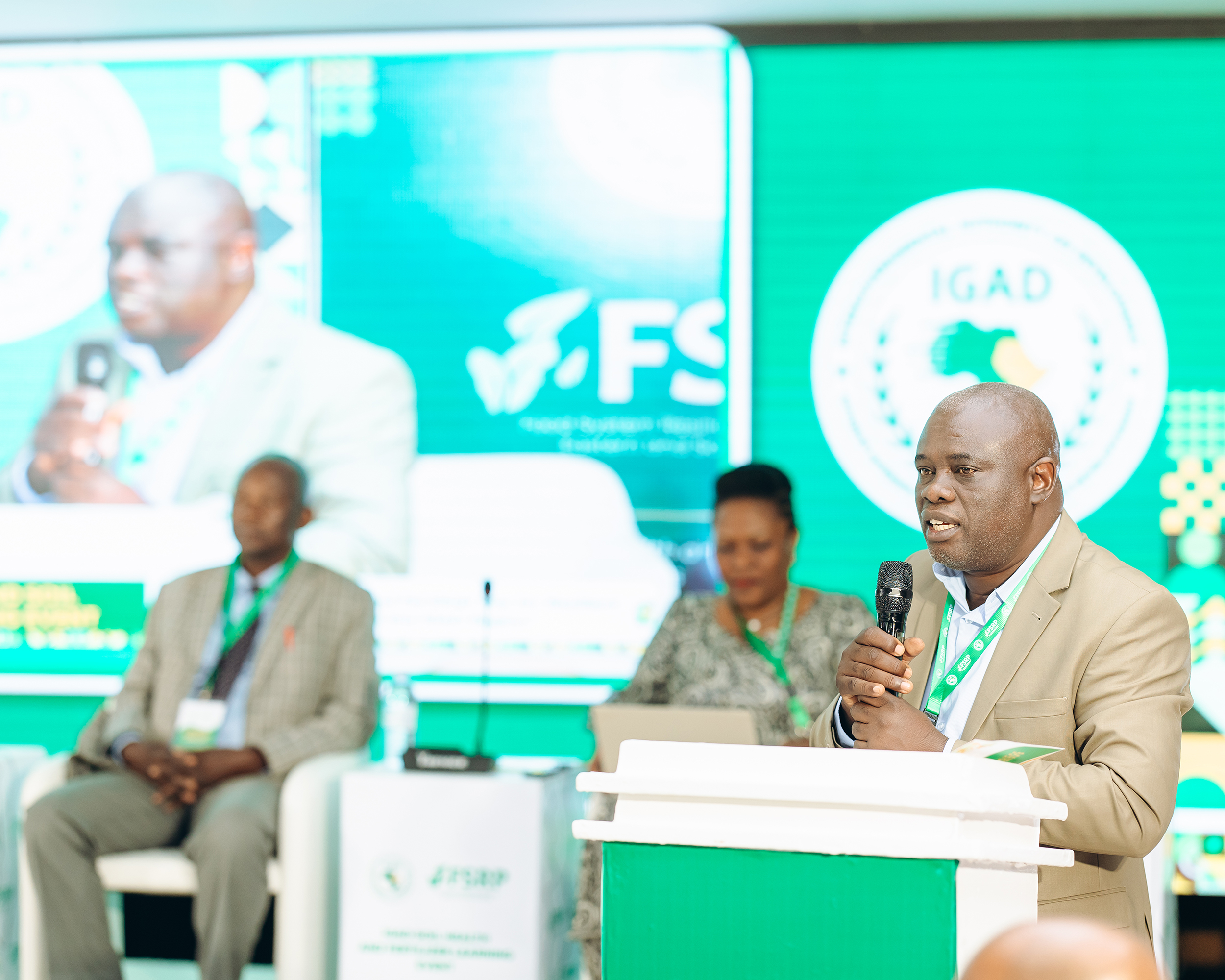
Speaking on behalf of Mr Daher Elmi, Director of IGAD’s Agriculture and Environment Division, Mr Denis Kibuuka, Knowledge Management, Monitoring and Evaluation Expert at IGAD, underscored the importance of healthy soils to productive and resilient agriculture.
“Healthy soils are the foundation of productive agriculture. They support crop growth, enhance water retention and strengthen resilience to climate variability.”
Representing the Permanent Secretary of Uganda’s Ministry of Agriculture, Animal Industry and Fisheries, Mr Alex Bambona, Assistant Commissioner for Food and Nutrition Security, reaffirmed Uganda’s commitment to regional efforts to improve soil health and fertilizer use. He emphasised the need to translate regional and continental commitments into practical action for farmers, supported by partnerships, technical assistance, financing and enabling policies.
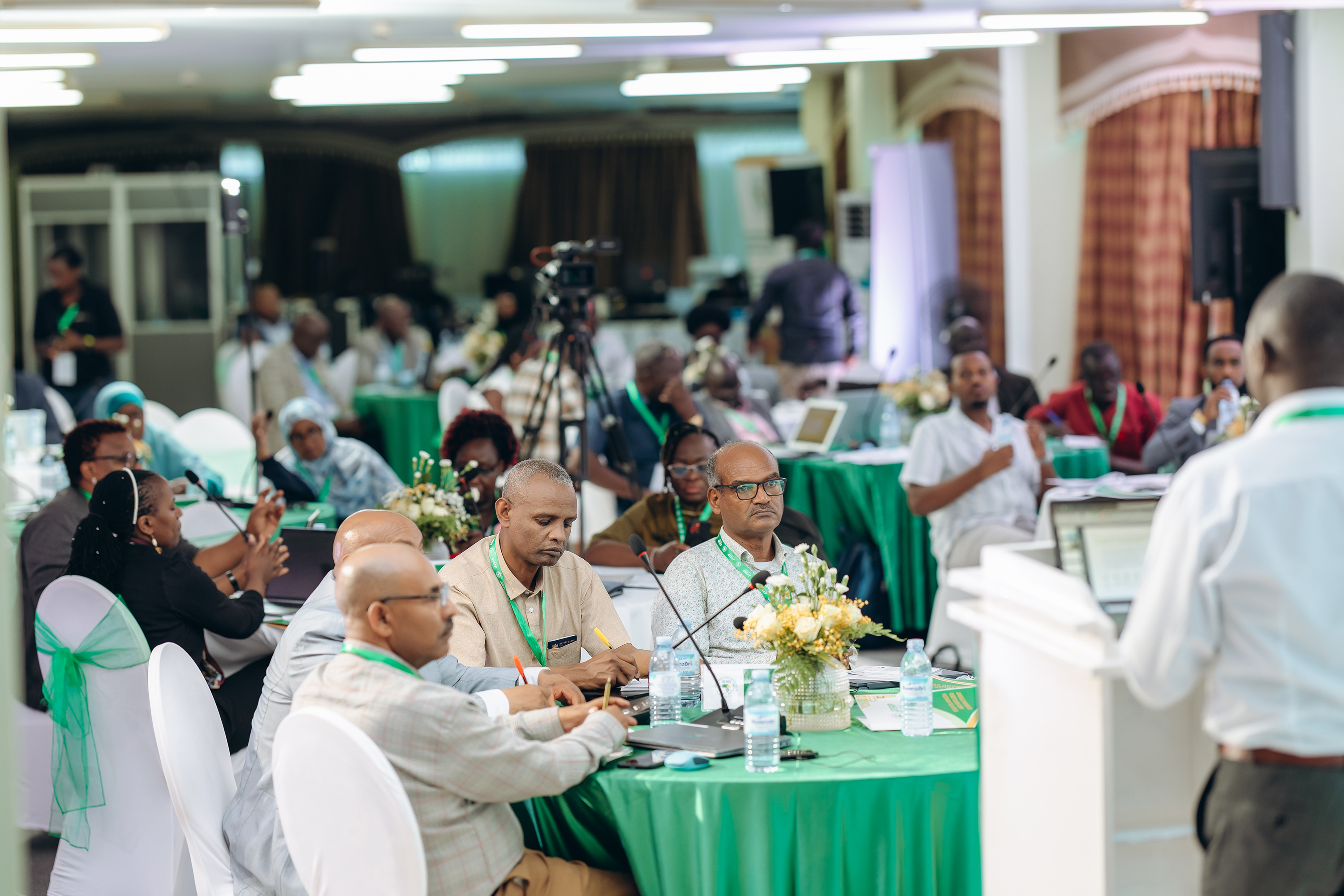
These messages set the tone for four days of discussions focused on moving from commitments to practical solutions. Soil degradation, declining soil fertility and low fertilizer use efficiency remain major constraints to agricultural productivity and resilient food systems, making sustainable soil management and access to appropriate technologies increasingly important.
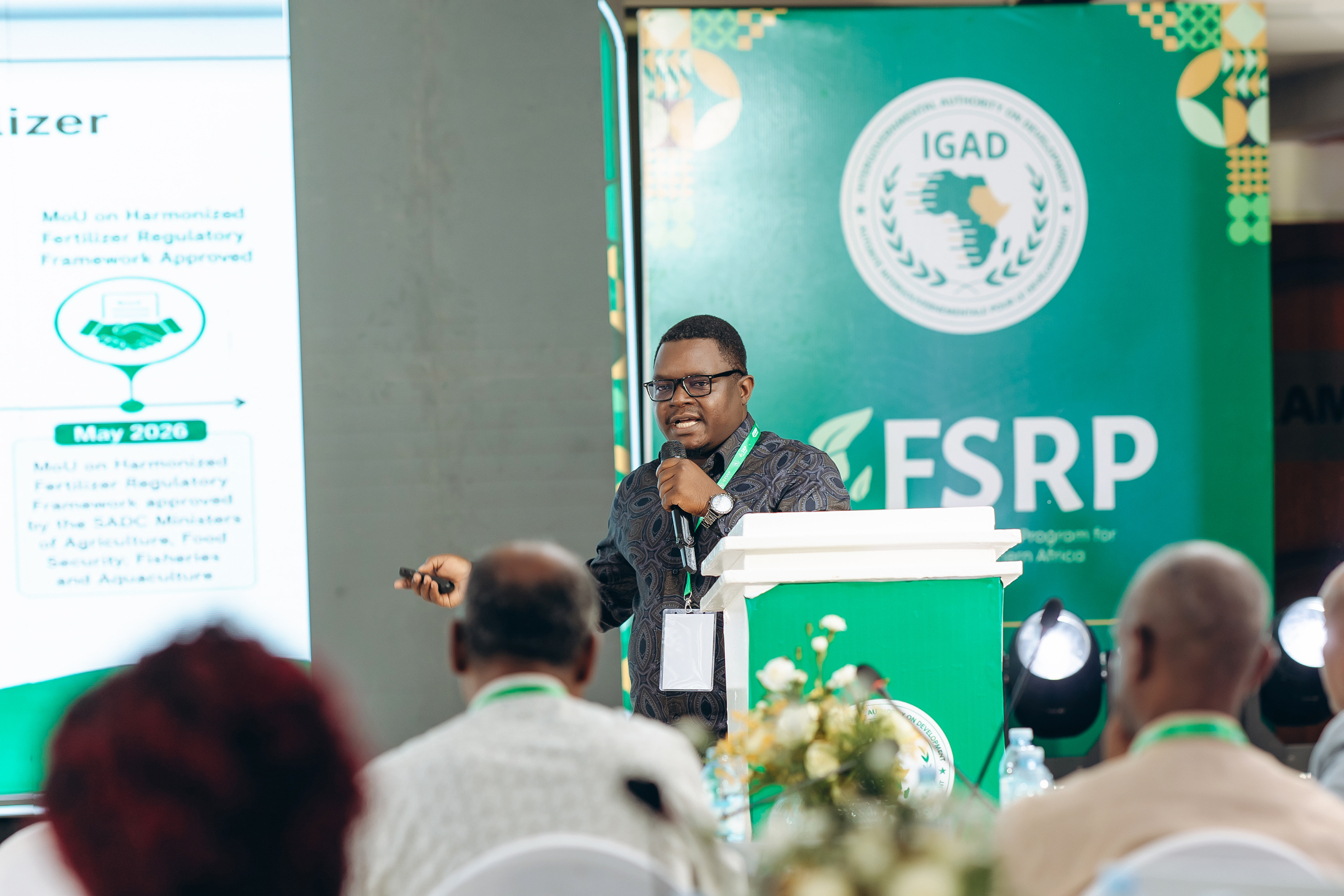 |  | 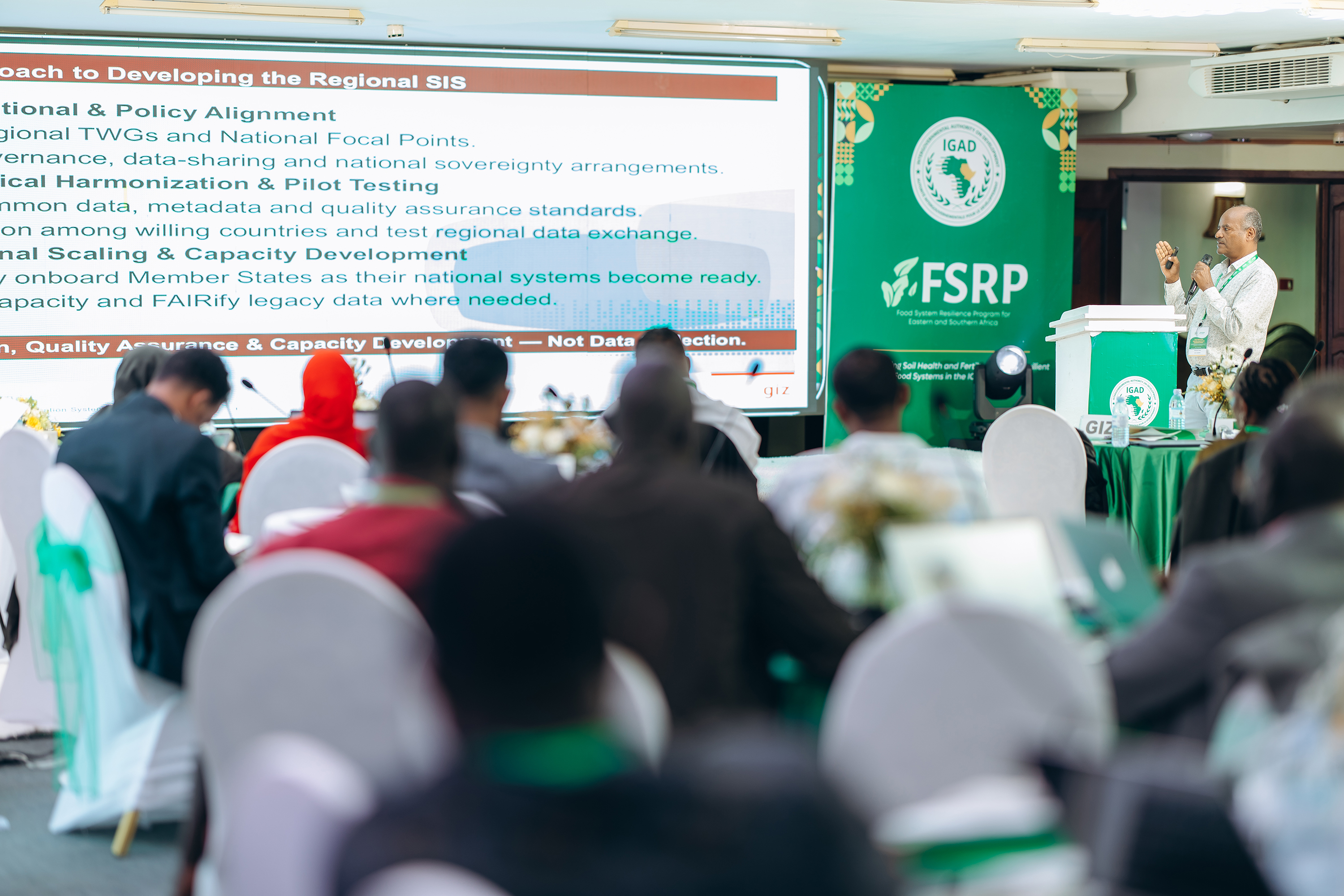 |  |
CCARDESA brought a Southern African perspective to the discussions through an expert presentation on the State of Soil Health and Fertilizer Use in the Southern African Region. The presentation shared experiences from efforts underway in the SADC region to improve soil health, strengthen soil information systems and promote sustainable fertilizer management.
CCARDESA also contributed to a panel discussion on regional policy and institutional frameworks for soil health and fertilizer use in Southern Africa. The discussion explored how regional frameworks, digital advisory services, knowledge management and stronger evidence can support countries in addressing soil health challenges.
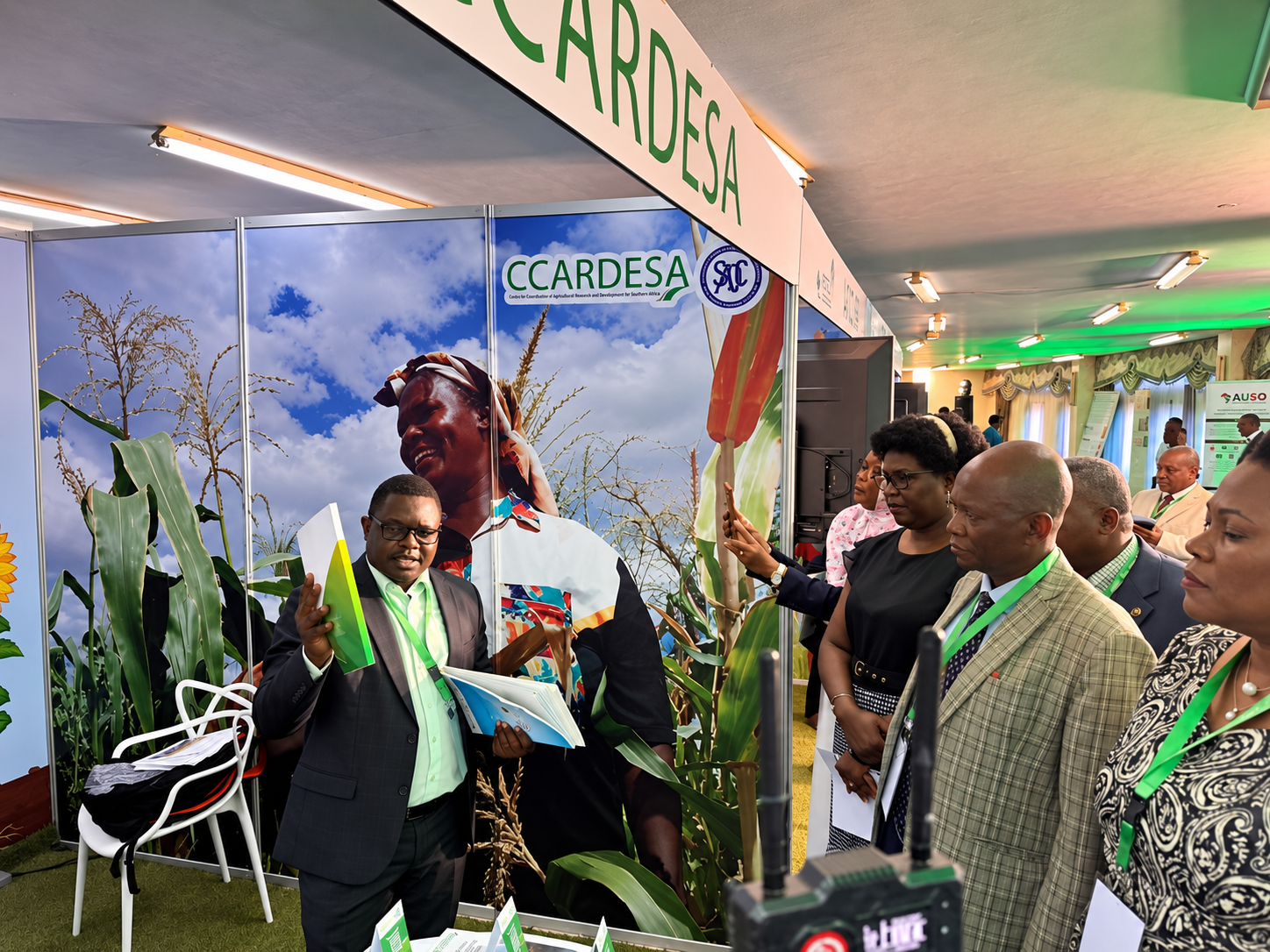
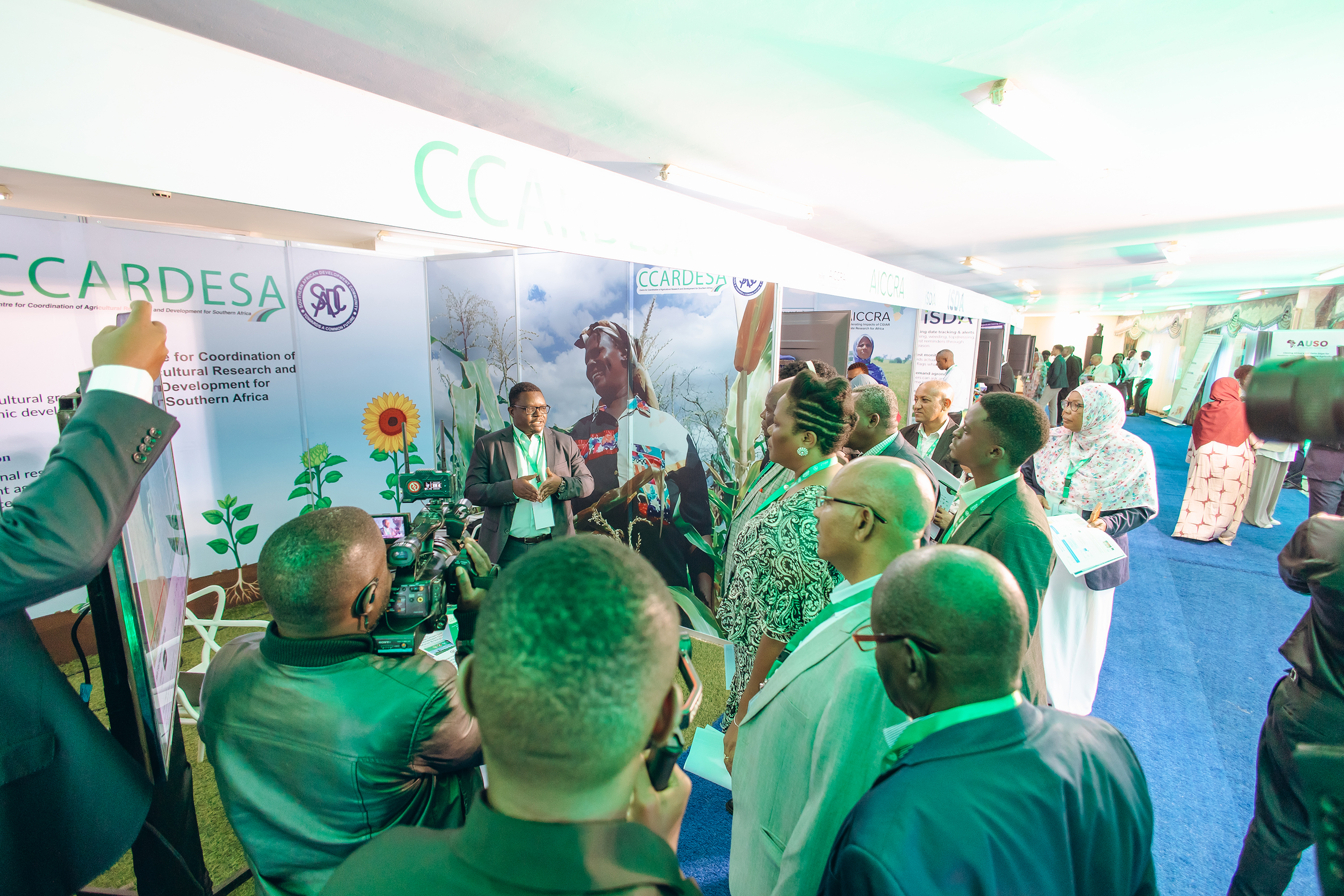
Beyond the technical sessions, CCARDESA showcased soil health related technologies, innovations and knowledge products through the Soil Health Marketplace exhibition. The exhibition provided an opportunity to engage directly with participants and share practical approaches and information on soil management, fertilizer use, climate smart agriculture and related technologies that can contribute to more productive and resilient farming systems.
The marketplace was an important part of the learning event, allowing participants to interact with exhibitors and explore technologies and approaches that could be adapted and applied in different farming contexts.
The event also created space for IGAD Member States to share the state of soils in their countries, lessons learned and recommendations. Participants from Djibouti, Kenya, Ethiopia, South Sudan, Somalia, Sudan and Uganda contributed country experiences, followed by guided discussions on key recommendations and actions emerging from the meeting.
 |  |  |
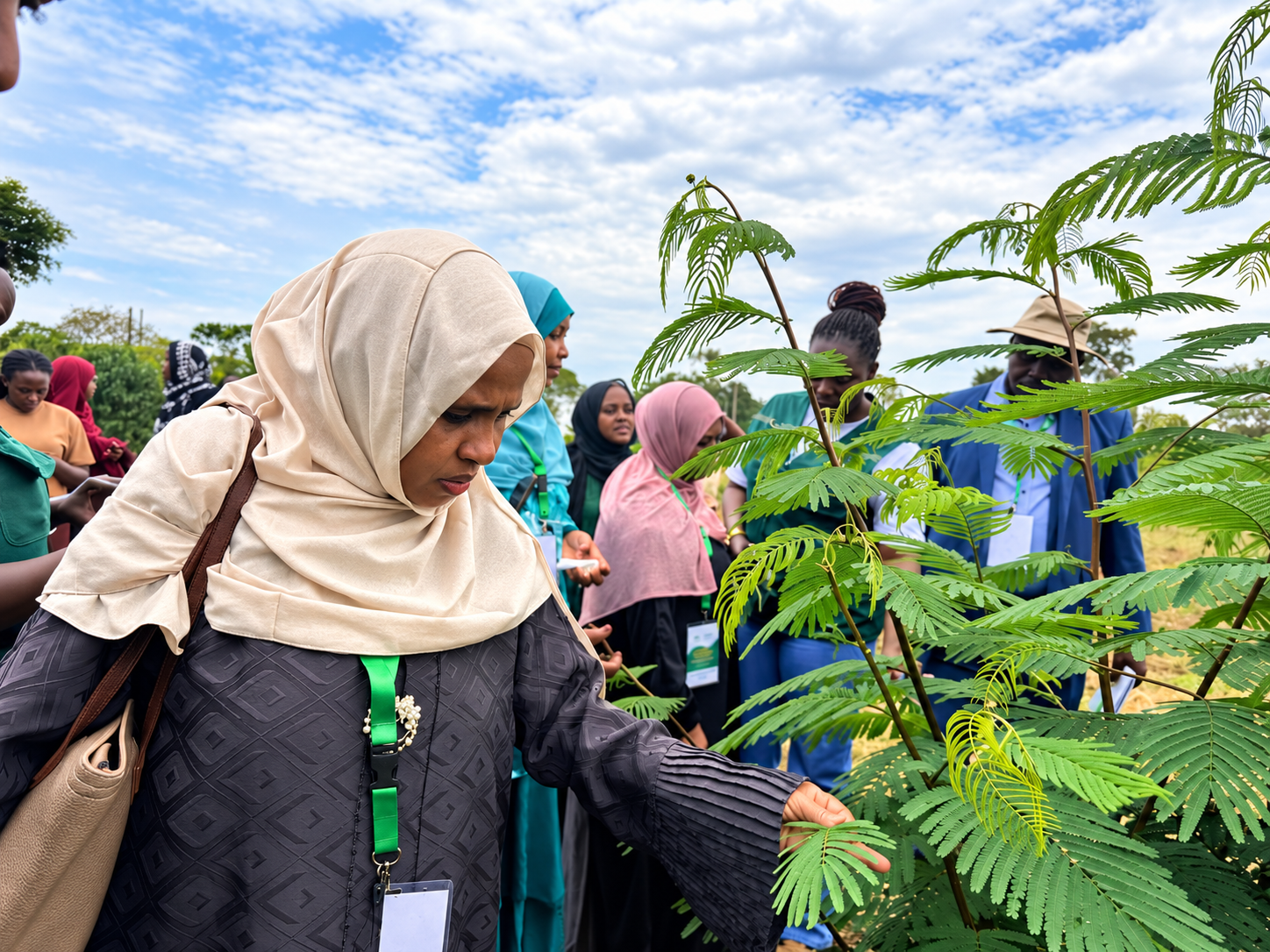 |
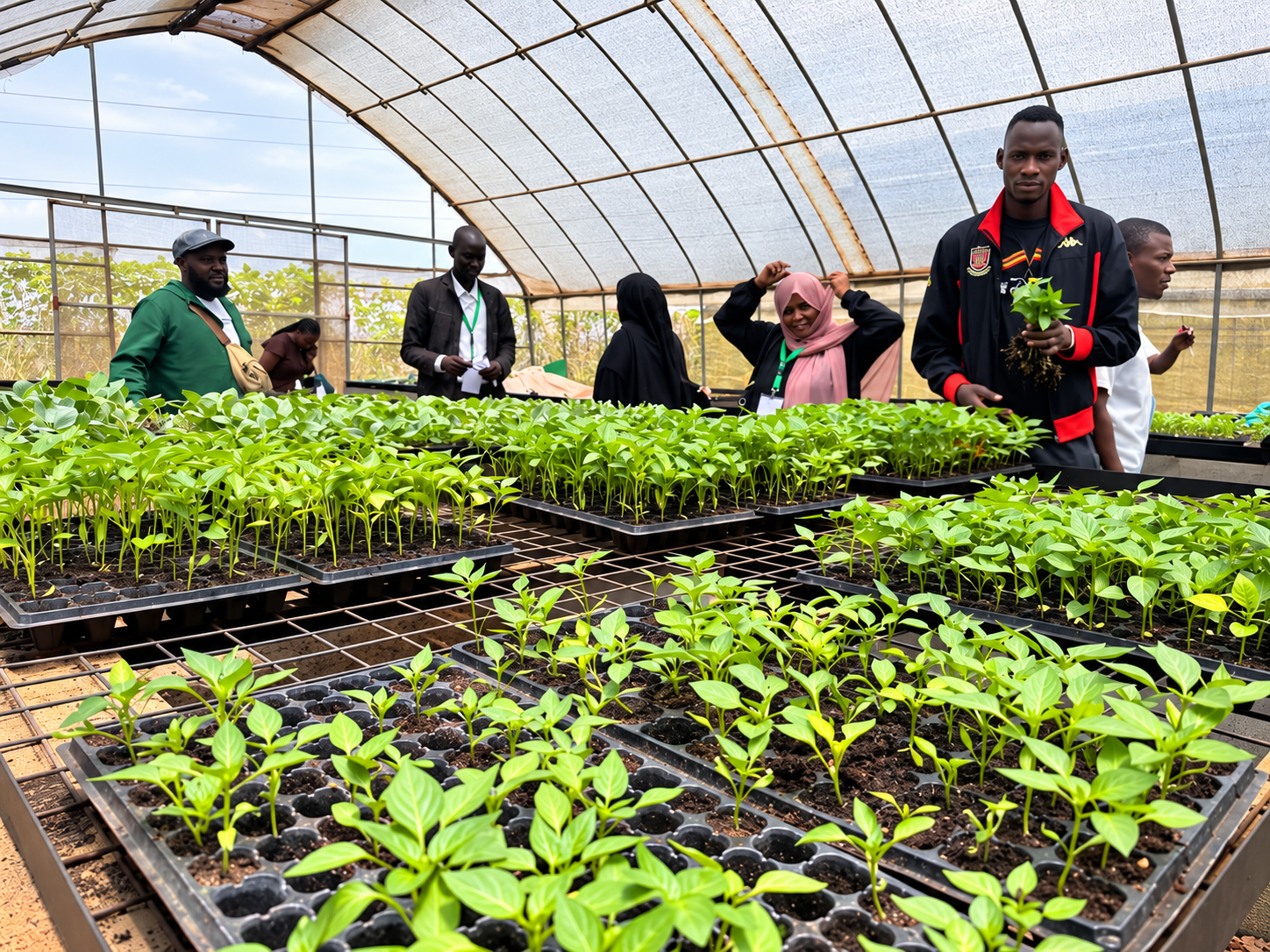
The four day programme concluded with a field learning visit to the National Agricultural Research Laboratories at Kawanda, giving participants an opportunity to see soil research, technologies and innovations in practice. The visit included an overview of soil health research for climate resilience, discussions with scientists and tours of field demonstration sites.
For CCARDESA, the Entebbe event provided an important platform to share Southern Africa’s experience while learning from approaches being advanced in Eastern Africa. It also strengthened exchanges between regional institutions on how research, policy, technology and knowledge can be better connected to respond to common soil health challenges.