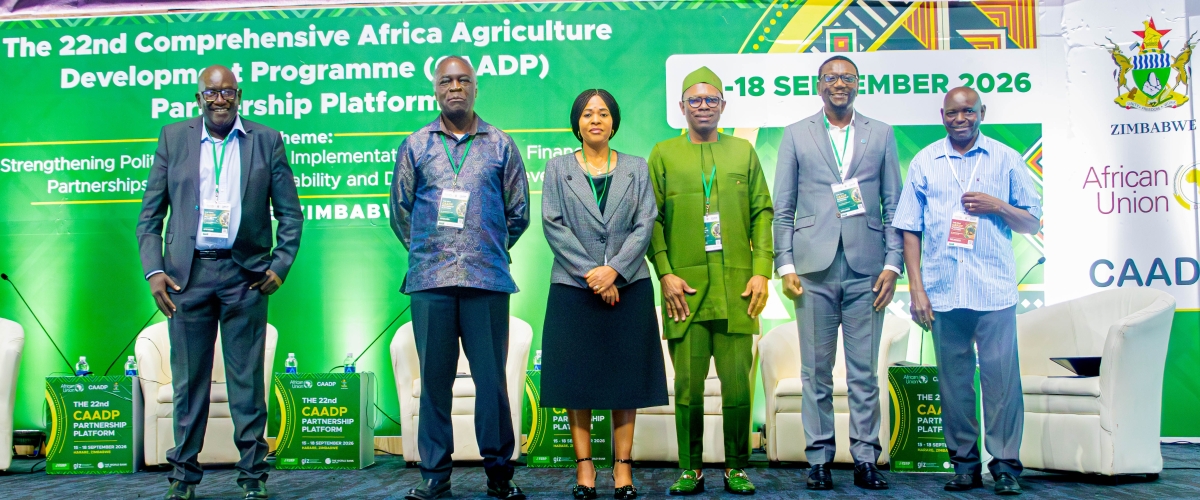
HARARE, Zimbabwe - The Centre for Coordination of Agricultural Research and Development for Southern Africa (CCARDESA) has called for faster movement of proven agricultural innovations from research institutions into farmers' fields. The call was made by CCARDESA Acting Executive Director, Mr Dagmore Tawonezvi, during the panel discussion at the 22nd Comprehensive Africa Agriculture Development Programme Partnership Platform held in Harare from 15 to 18 September 2026.
Convened by the African Union Commission and AUDA-NEPAD with Member States, Regional Economic Communities and development partners, the meeting was held under the theme Strengthening Political Leadership, Implementation Readiness, Financing, Partnerships, Mutual Accountability and Delivery at All Levels. It focused on translating the CAADP Kampala Declaration and the CAADP Strategy and Action Plan 2026 to 2035 into practical national and regional action.
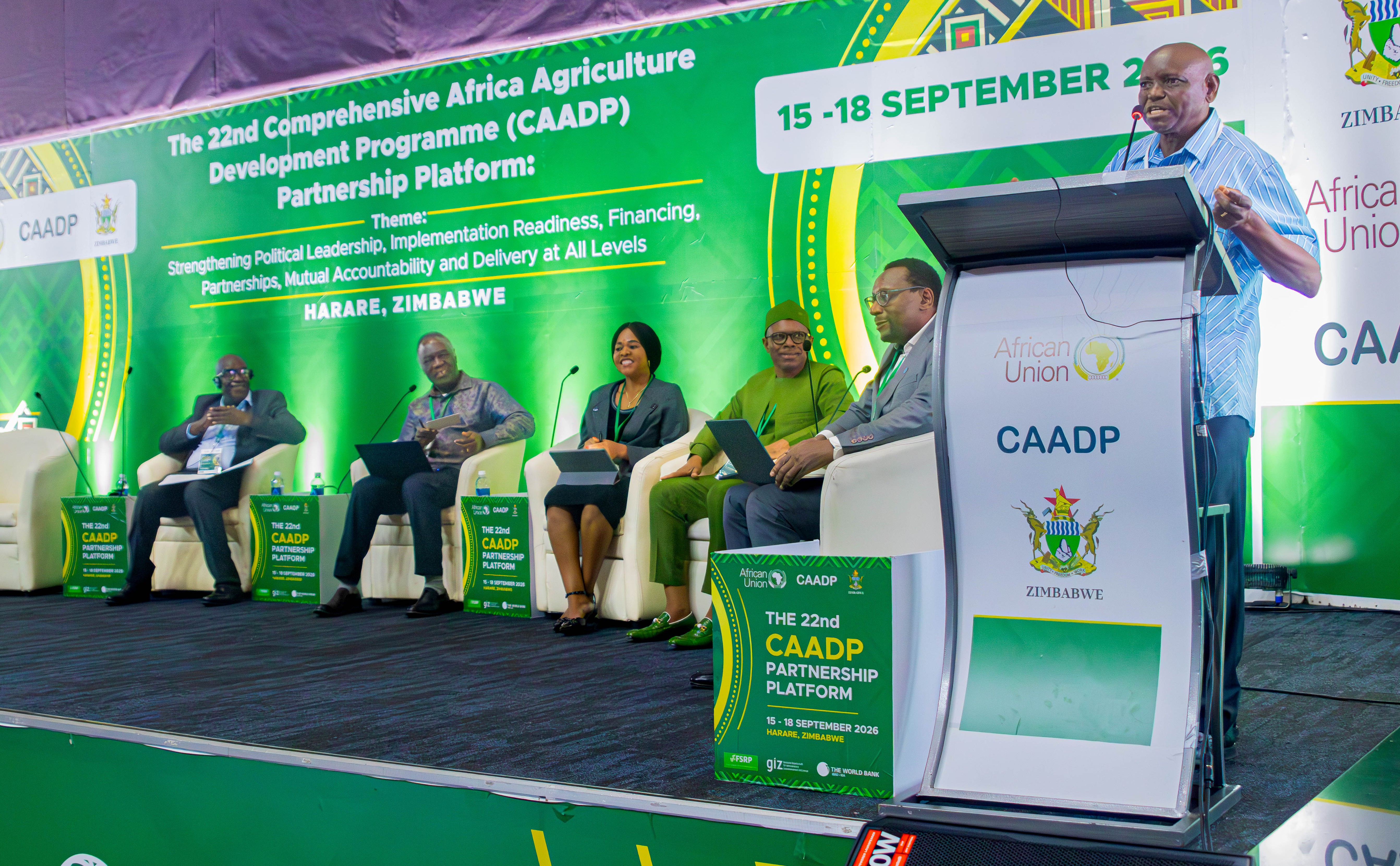 Panel Discussion
The Platform took place against the findings of the Fifth CAADP Biennial Review. The continental score improved from 4.56 to 5.25, and 35 of the 45 reporting countries recorded progress. However, no country or commitment area was on track against the benchmark of 9.40. The results strengthened the meeting's emphasis on implementation readiness, financing, institutional accountability and measurable delivery.
Mr Tawonezvi explained that the Kampala agenda requires agricultural research systems to move beyond generating technologies and demonstrate change at farm and food-system level. In Southern Africa, this means directing research towards productivity, climate resilience, sustainable natural-resource management, stronger markets and inclusive agrifood systems.
He identified demand-driven and climate-responsive research as a priority. This includes drought- and heat-tolerant crops, short-duration varieties, better nutrient and water management, integrated soil fertility management, pest and disease resilience, biofortification and climate-smart production systems. He also stressed the value of regional specialisation, multi-location testing and the sharing of technologies across borders to reduce duplication and make innovations available more quickly. Kampala requires us to change the metric of success from technologies developed to technologies adopted, hectares transformed and farmers benefiting, reiterated Mr Tawonezvi,
CCARDESA also shared its work to connect research with extension. In 2024, the organisation launched an online library co-developed with Purdue University to support digital extension of climate-smart technologies. Animated, mobile-based videos are helping make practical information available to farmers in remote and underserved communities where extension services face funding, staffing and access constraints. 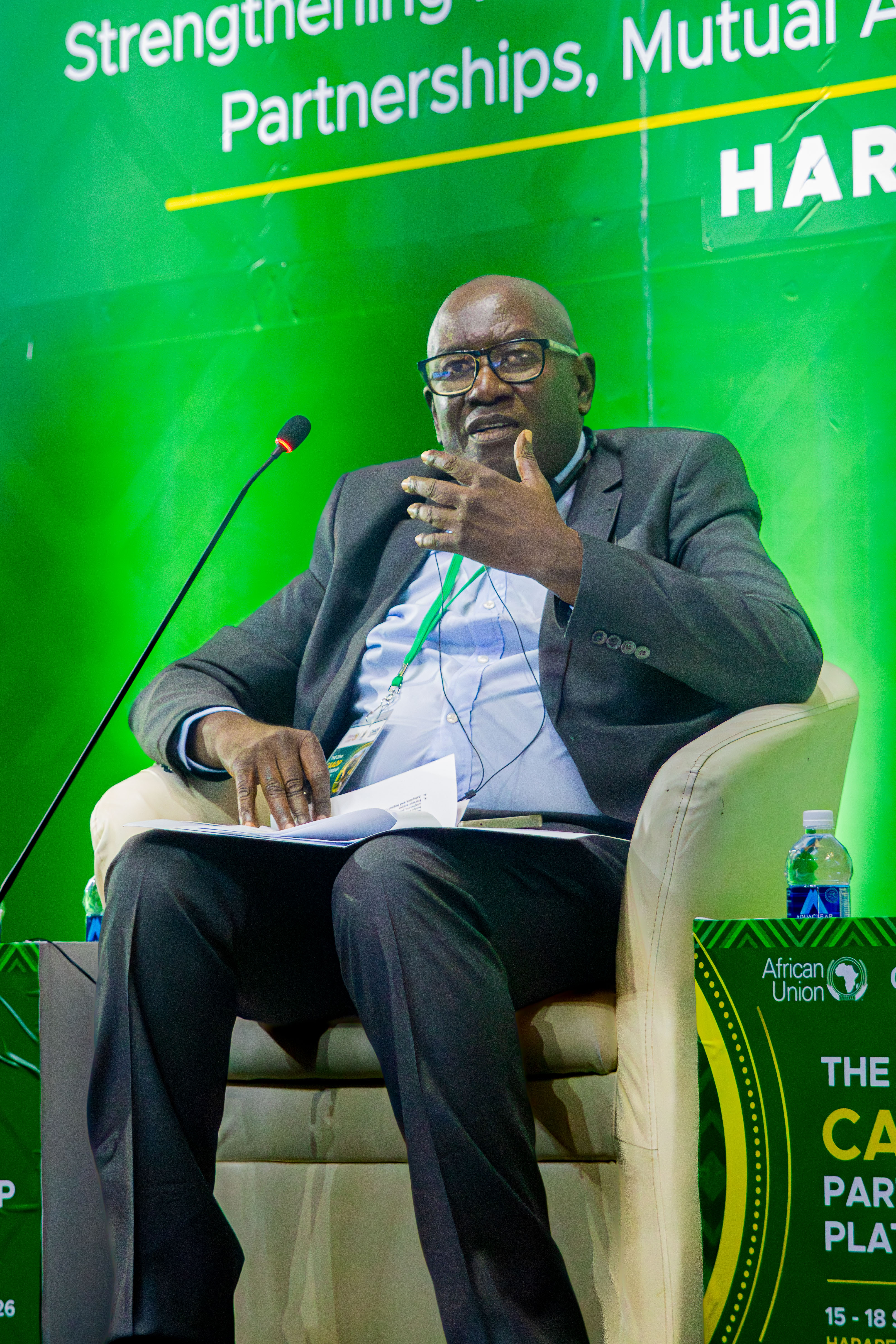 Mr Dagmore Tawonezvi
On seed systems, Mr Tawonezvi reaffirmed CCARDESA's support for regional harmonisation and mutual recognition through the SADC Harmonized Seed Regulatory System. Regional approaches can reduce repeated testing and help suitable varieties move more efficiently across Member States.
He noted that progress is still slowed by lengthy and fragmented variety-release processes, uneven capacity for testing, incomplete domestication of regional rules, limited breeder and foundation seed, and weak links between formal seed systems and farmer-managed systems. CCARDESA therefore advocates harmonising the whole pathway from innovation to farmer, while strengthening demonstrations, Farmer Field Schools, digital advisory services, farmer organisations and input-dealer networks to build informed demand.
Mr Tawonezvi described extension as the bridge between research investment and agricultural transformation. He called for advice that combines the right variety with appropriate fertiliser and soil-health practices, planting windows, water-management options and market opportunities for each location. Digital agriculture, agroecological zoning, soil information systems and climate services will be central to providing locally relevant recommendations at scale.
He also reported progress in implementing the regional soil health and fertiliser agenda. SADC Ministers responsible for Agriculture and Food Security approved the establishment of the SADC Soil Health and Fertilizer Hub, hosted by CCARDESA, together with the Regional Fertilizer and Soil Health Programme in May 2025. The Hub was launched in August 2025 to coordinate implementation of the Africa Fertilizer and Soil Health Action Plan and the Nairobi Declaration across the region.
The regional approach goes beyond increasing fertiliser use per hectare. It brings together soil information and testing, appropriate fertilisers, organic resources, improved seed, water management, locally adapted agronomic recommendations and functioning markets. The Hub will also help show where partners are investing, identify countries and priorities receiving insufficient support, and improve coordination among governments, research institutions, development partners and the private sector.
Another panelist, Mr Anselme Vodounhessi, an M&E expert, speaking on behalf of FARA, said Africa already has many proven agricultural technologies, but weak links between research, extension, seed systems, finance and markets prevent them from reaching farmers at scale. He cited a reference study covering 20 food crops in 30 countries, which identified more than 3,500 released varieties, yet only about 1,150, or 33 percent, were found in farmers’ fields. He therefore called for investment across the entire innovation pathway, including validation, commercialisation, extension and adoption, with progress measured by the number of farmers reached and improvements in productivity, resilience, incomes and nutrition.
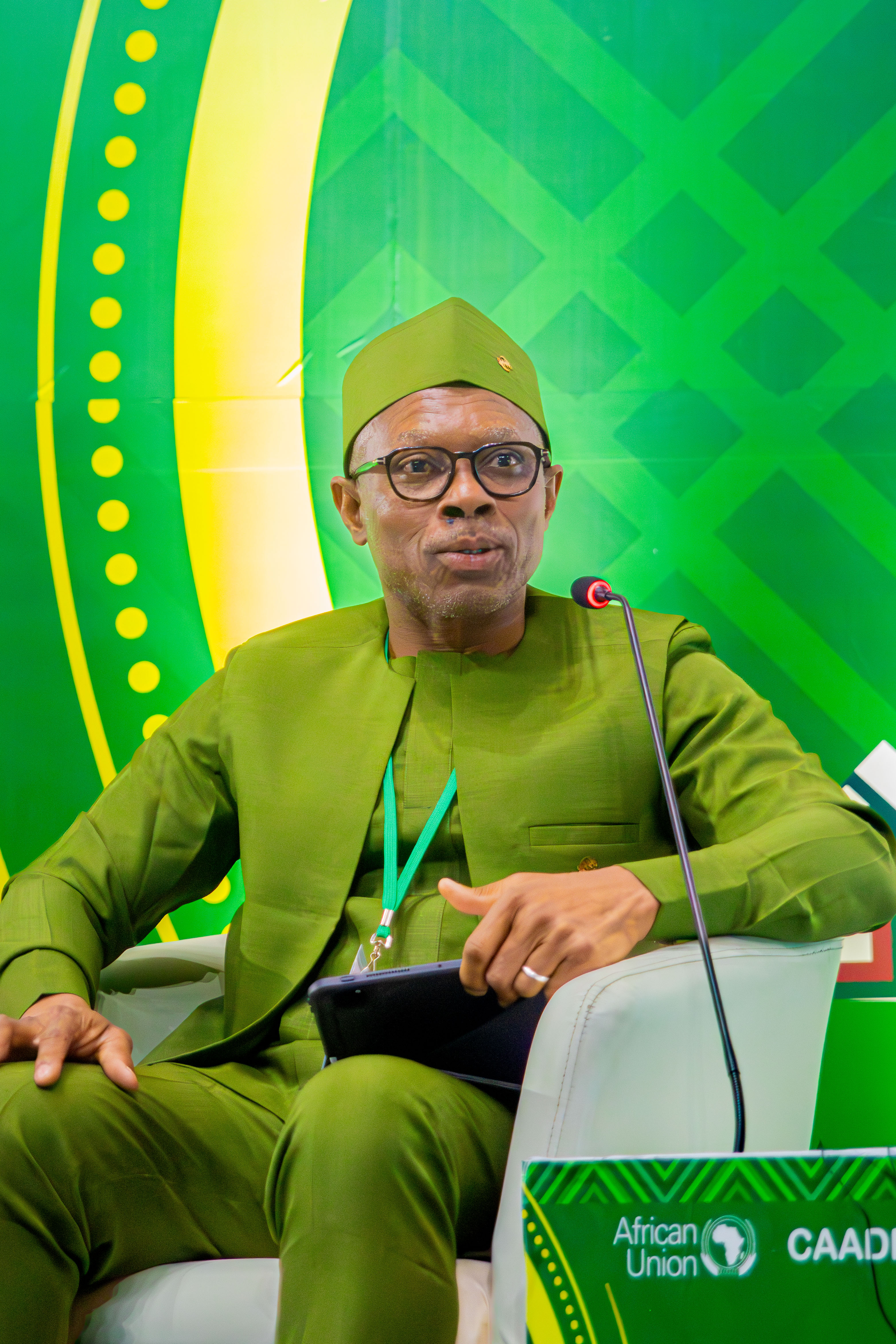 Mr Anselme Vodounhessi
The 22nd CAADP Partnership Platform placed delivery at the centre of continental cooperation. Its planned CAADP Delivery Compacts will set priority actions, responsibilities, financing needs and measurable milestones for Member States and Regional Economic Communities. Progress will be tracked at 30, 90 and 180 days, followed by a six-month implementation review.
CCARDESA's contribution showed the role that regional technical institutions can play in this delivery phase: aligning research with the Kampala Strategic Objectives, coordinating regional public goods, improving the movement of technologies across borders, strengthening extension and supporting Member States to turn continental commitments into results for farmers.
CCARDESA also strengthened the capacities of national institutions and agricultural stakeholders in Southern Africa to generate, manage and share knowledge, promote climate-smart agricultural technologies, support communities of practice and strengthen mutual accountability under CAADP. The lessons, partnerships and institutional capacities developed through CAADP-XP4 provide a strong foundation for implementing the Kampala agenda and ensuring that continental commitments are translated into practical national and regional action.