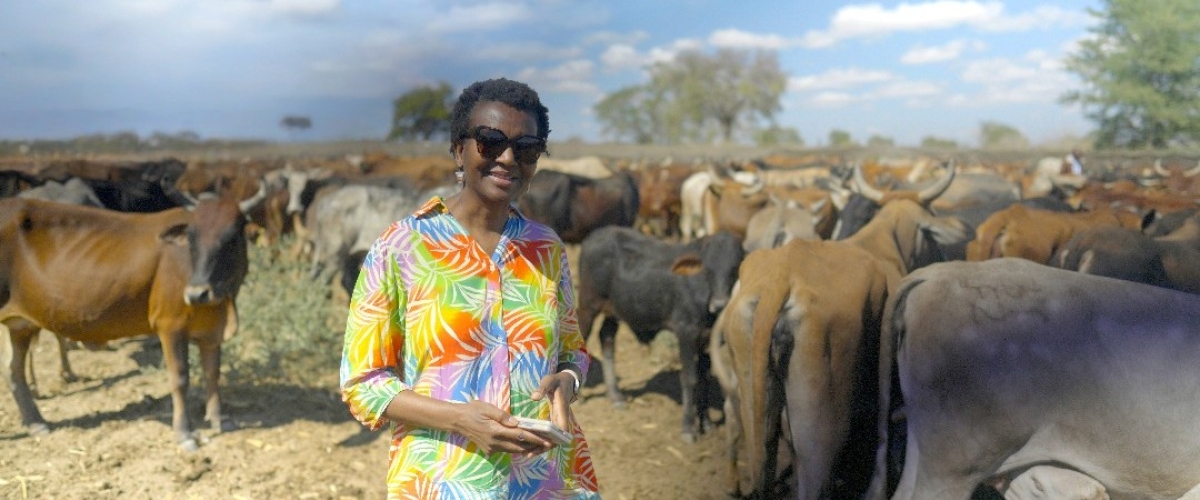
We are the cattle of Simalaha Conservancy, in Zambia. To many, we might appear to be just livestock, animals raised for milk, meat, and wealth. But here, we are something more. We are partners, farmers, and healers. Together with our herders, we are the heart of a system that restores life to the land and hope to the people who care for us.
The circle that protects us
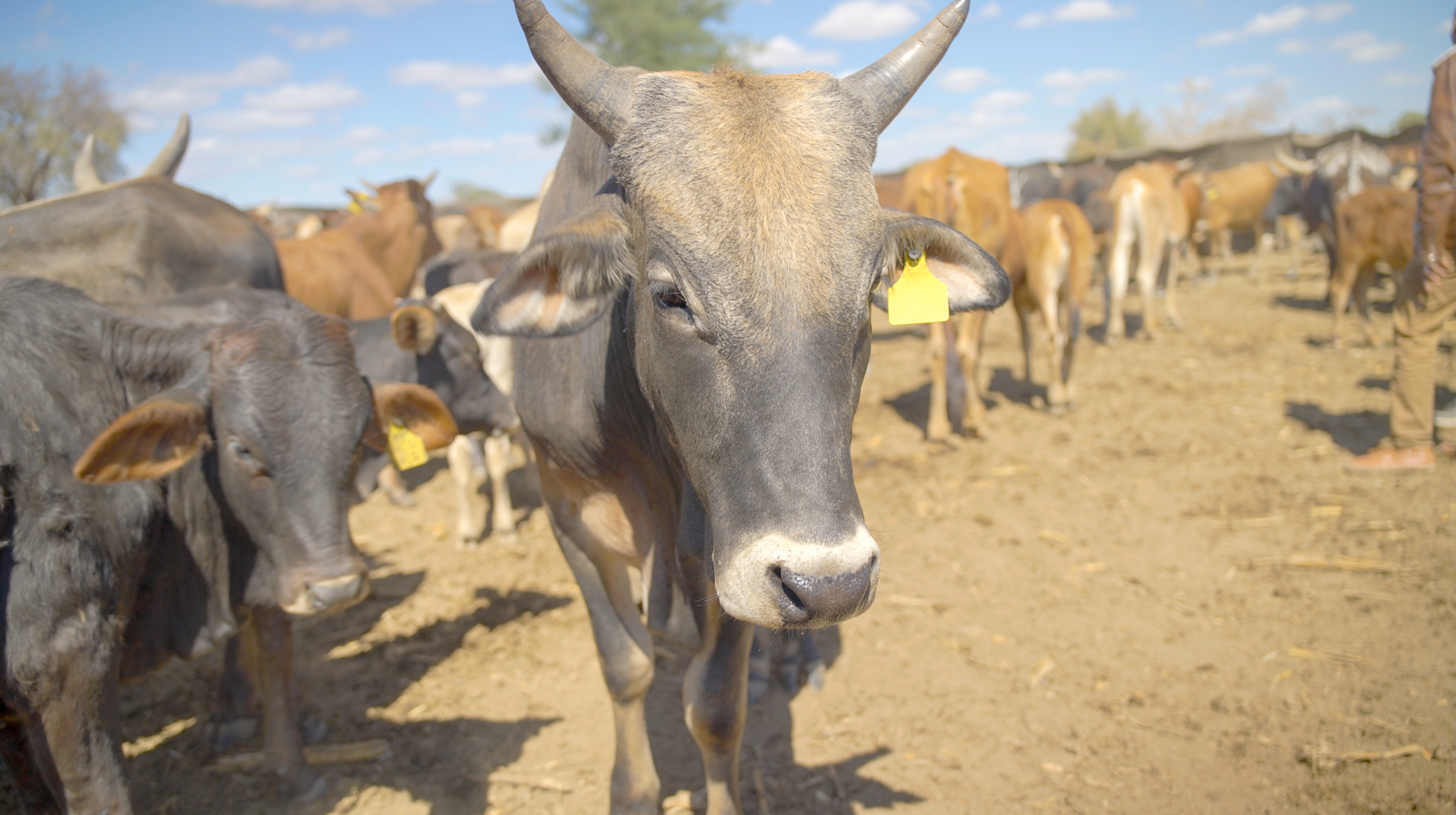
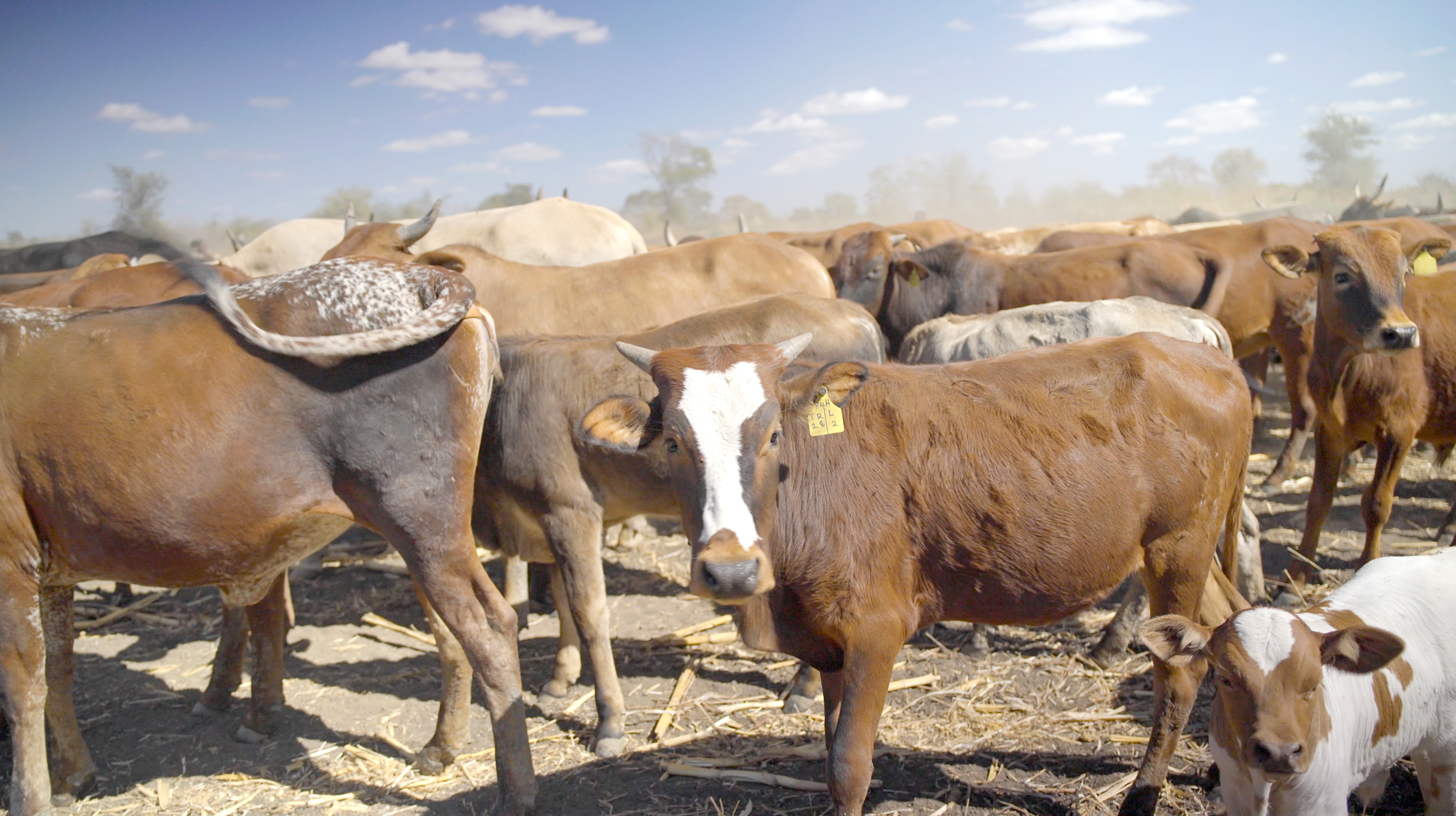
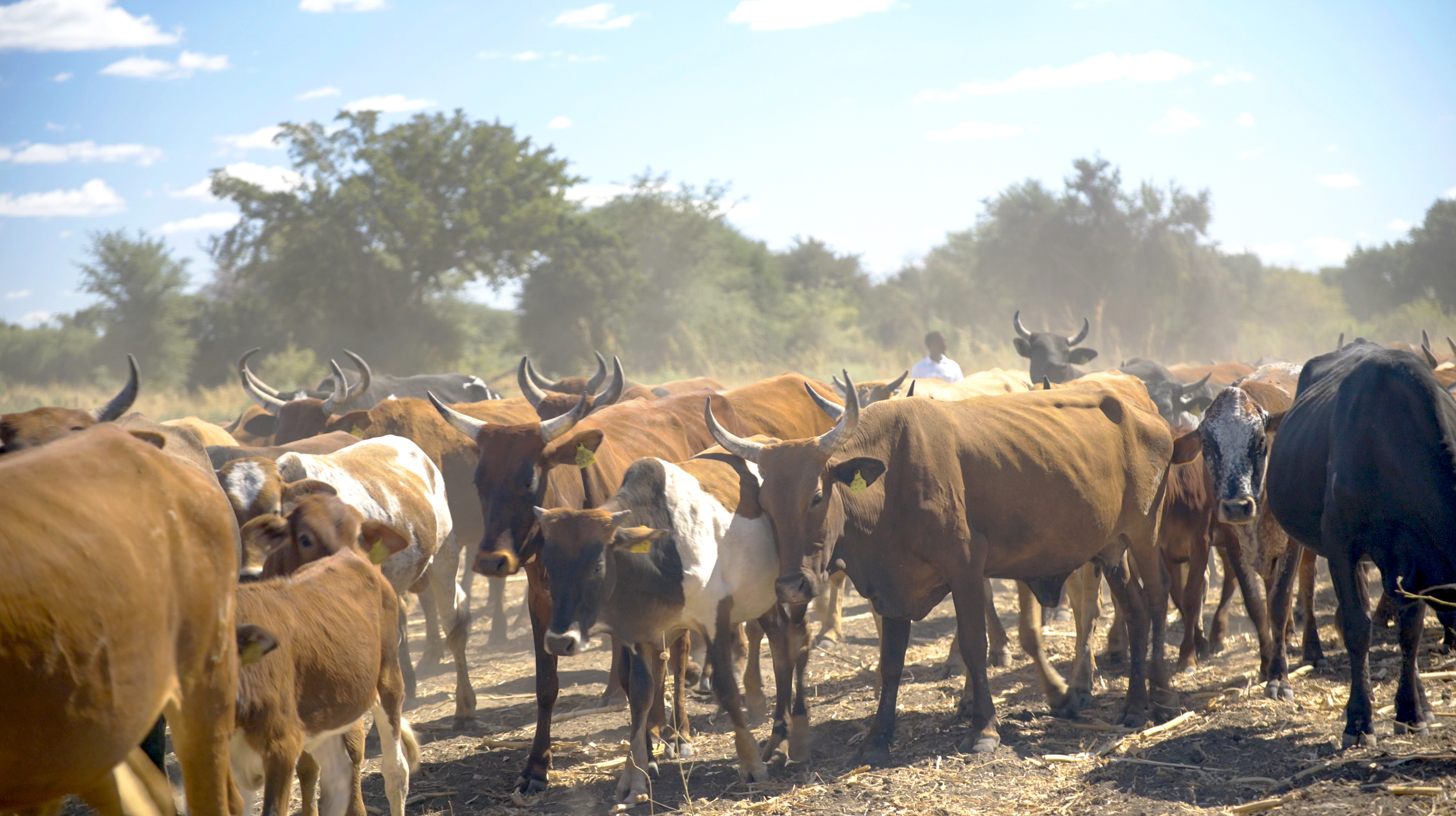
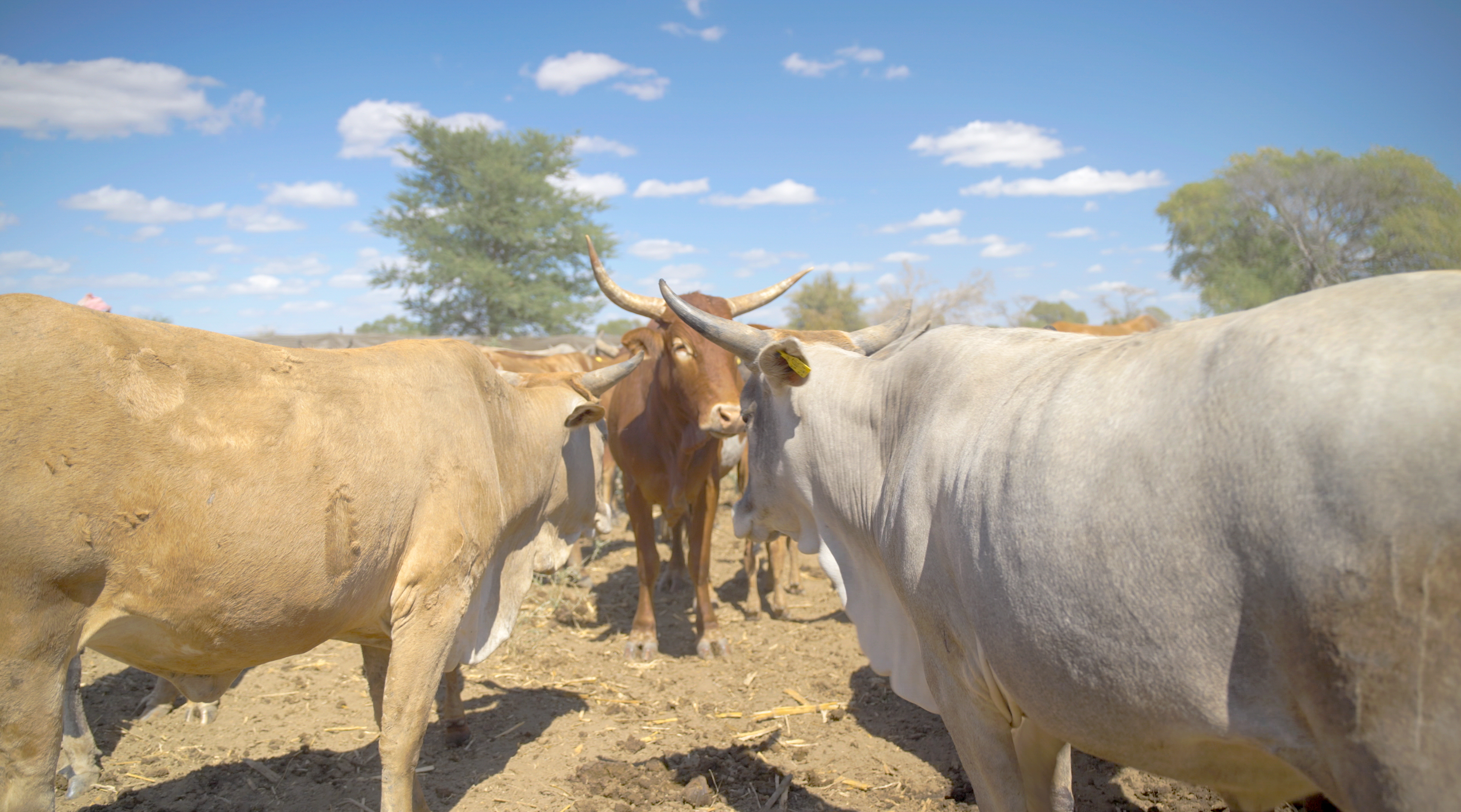
When the sun sets, we gather inside the boma, a strong, circular kraal made from poles, wire, and brush. We know this circle well. It is safe. Lions and hyenas cannot reach us. Thieves do not dare. Each of us carries a tag and brand that identifies our family, and the herders check on us at night and again at dawn.
Before the boma, nights were dangerous. Some of us would wander and get lost. Some would never return. Now, theft and predation have disappeared. We sleep soundly, and the herders sleep soundly too.
But the boma is more than a place of safety. It is the first step in a bigger circle.
The land we heal
The boma moves every seven days. When we leave, our dung and urine stay behind. The herders call it the golden product, and they are right, it feeds the soil. Seeds we have carried in our stomachs, like those of the monga tree, fall to the ground in our dung and begin to sprout.
What was once bare, dusty earth soon turns green. Grass grows thick and tall, strong enough to feed the next herd. Birds and insects return. The soil becomes soft and full of life again.
We see the difference. We no longer have to walk far for food. Every mouthful is sweet and full of energy. We chew our cud lazily in the afternoons, full and content.
The herders who care for us
The people who walk with us have changed. They no longer simply push us forward with sticks; they observe us. Every day they look into our eyes, watch how we walk, and notice if one of us hangs back from the herd.
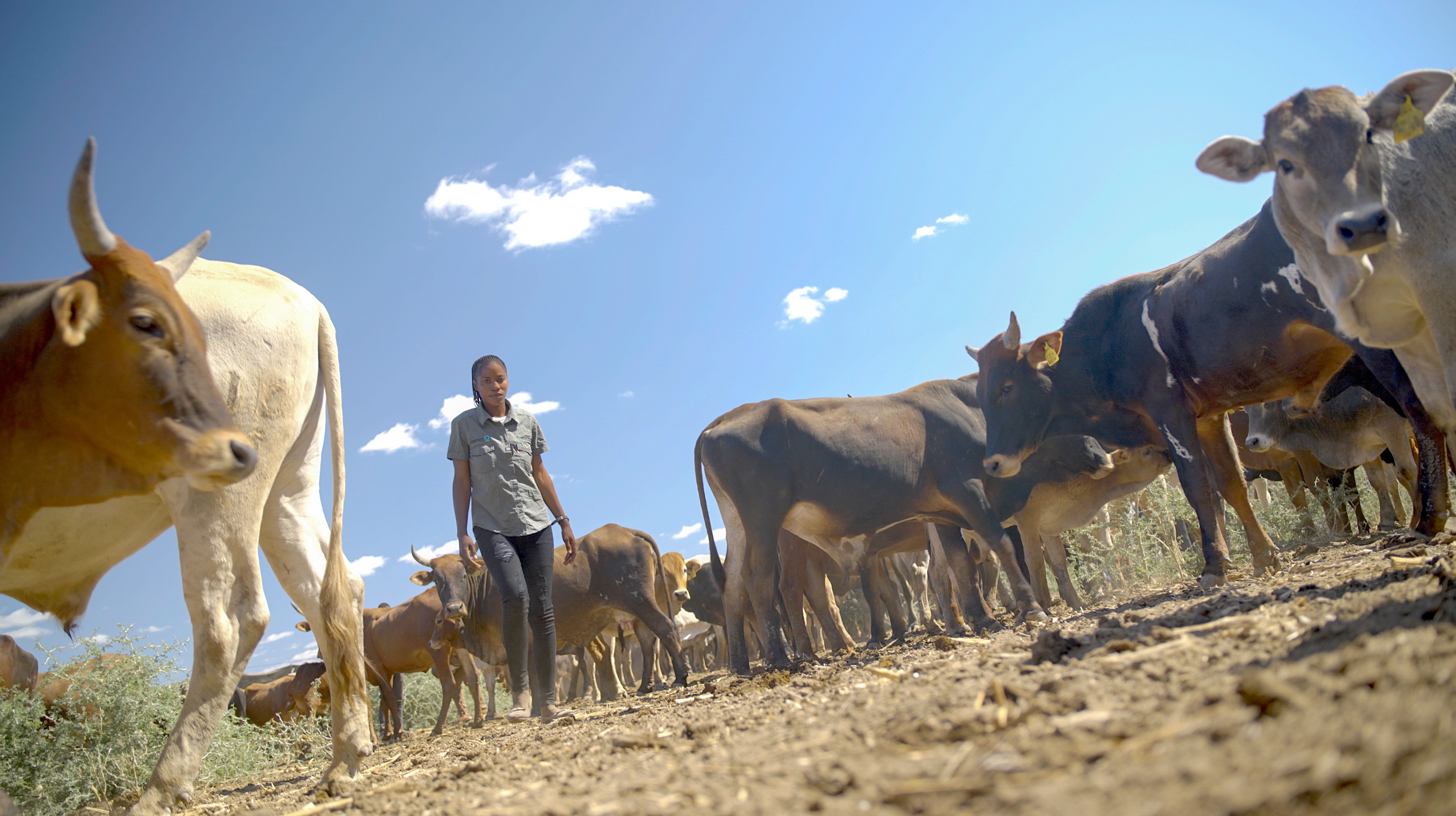
“If something is wrong, we know immediately,” says Christin Muyinda, a young woman who herds us with skill and pride.
Once a month, they use a body condition score (BCS) to check if we are thriving. They feel our hips, ribs, and brisket, and they give us a score from 1 to 5. When we are healthy and strong (a 3 or 4), it is a sign that the land is healthy too. When we are thin, it tells them that something is out of balance.
We are given supplements, iron and minerals that make our coats shine and our calves strong. Castration, deworming, and vaccinations are now part of life. Diseases that once swept through our herds have faded away.
Women and youth at the center
We notice the change in who cares for us. Many of our herders are women now, mothers who hum softly as they lead us, children learning at their sides.
One of our favorite woman herder, smiles as she walks among us.
“Before, women were not expected to herd cattle,” she says. “But now I am proud. I see how the animals grow healthier. I see how we are restoring the land together.”
The Record-Keepers: Tell Our Story in Numbers
The youth walk beside us with notebooks in their hands and determination in their eyes. They are curious, energetic, and eager to learn, not just about us, but about the land and the rhythms that sustain us all.
Every day, they watch and write:
- Where we grazed that morning.
- How far we walked to reach water.
- How much time we spent feeding.
- Which calves were born, which ones played in the dust, which ones stayed close to their mothers.
- Whether any of us seemed weak or stayed behind.
When we return to the boma in the evening, they count us carefully and make notes about every detail. Nothing escapes their eyes.
These records are not just for the youth. Their daily kraal reports are shared with the Grazing Area Committees (GACs), the farmers’ governing bodies. These committees use the information to make decisions:
- Which fields need rest.
- Where we should graze next.
- How to balance the needs of the land, the herd, and the people.
Our ear tags and brands add another layer of traceability. Each mark carries a story: the initials of our farmer, a unique number, proof of where we belong. If one of us goes missing, the community will know. If one of us is sick, the records show when it started and what was done.
We used to be invisible, just animals roaming the bush.
Now, we are known.
We are counted.
We are part of a living system, tracked and understood, so that none of us are forgotten.
The youth smile when they hold their notebooks, knowing their work is important. They are learning to be scientists, storytellers, and guardians all at once. And as they trace our steps across the land, they also trace the future of their communities.
The community we strengthen
We can feel that the people are closer to one another now. They no longer herd their animals separately but work together as a team. They meet in circles, just like the boma, to discuss grazing plans and share resources.
This cooperation has changed everything:
- Zero theft because everyone looks out for one another’s animals.
- Better prices at market because they sell animals together, gaining bargaining power.
- Lower costs because they can share the expense of veterinary care and equipment.
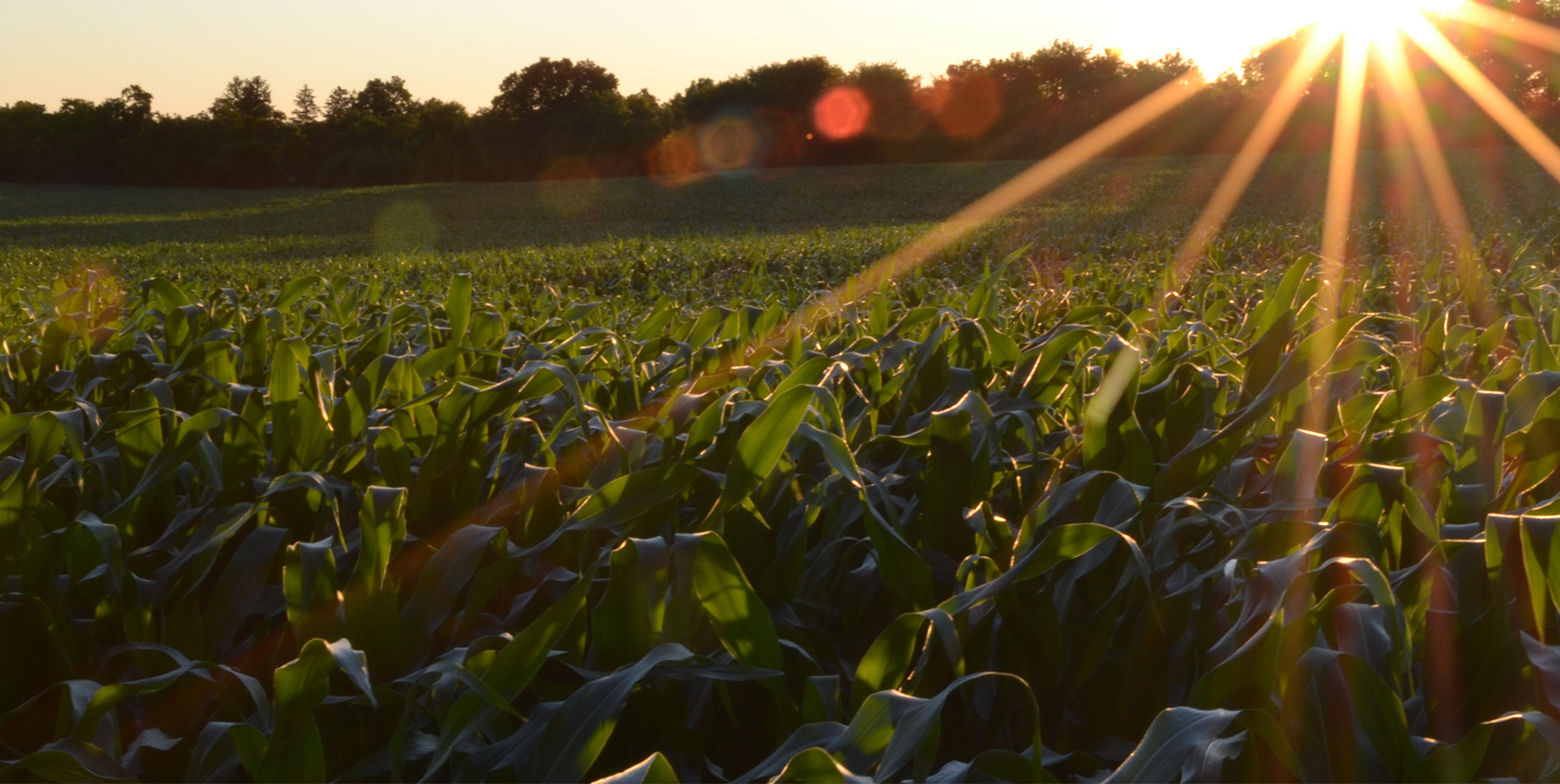
One farmer, Jacob, calls us “the community’s bank.” He is right. We provide milk, meat, and income. And now, we also provide something more, fertile soil for crops like maize.
The bigger circle we are part of
As we graze, we create circles of life:
- Our dung feeds the soil.
- Healthy soil grows better grass.
- Better grass makes us stronger.
- Our strength brings more milk, meat, and calves for the community.
- Stronger households can invest in water sources, schools, and the future.
It is all connected. We feed the land, and the land feeds us. We feed the people, and the people protect and care for us.
The herders tell us this system is called Herding for Health, and it is spreading to other villages. Farmers from far away come to see us grazing on lush restored grasslands, amazed at how much has changed.
We are the circle
At the end of the day, we return once again to the boma, hooves tapping softly on the ground we have helped heal. We know the circle will shift again in a week, and we will move to another patch of bare earth.
This is not the end. Each circle we leave behind is a new beginning, for the land, for us, and for the people who care for us.
We are not just cattle.
We are the healers of the land.
We are the bridge between nature and community.
We are the circle.