
By Bongani Mvubu
By providing disease-free, high-yielding seedlings, the Department of Agricultural Research and Specialist Services is empowering smallholders, boosting rural economies, and driving export growth.
In the fertile landscapes of Eswatini, a quiet agricultural revolution is taking root, driven not by heavy machinery, but by microscopic innovation. At the forefront of this transformation is the Department of Agricultural Research and Specialist Services (DARSS). Through its pioneering deployment of plant tissue culture biotechnology, DARSS is reshaping the Kingdom’s banana sub-sector, offering local farmers a gateway to unprecedented productivity and economic resilience. For decades, banana farming in Eswatini relied on almost entirely traditional "field suckers" lateral shoots pulled directly from old plants and seedlings imports from the Republic of South Africa. While cheap and accessible, this old method hidden a devastating trap: farmers were inadvertently transferring soil-borne pathogens, parasitic nematodes, and the dreaded Banana Bunchy Top Virus (BBTV) into their new fields. The result? Declining yields, erratic fruit quality, and struggling local orchards.
EMPOWERING FARMERS: THE LUBOMBO SUCCESS STORY
The true magic of DARSS’s laboratory breakthroughs is realized across the rural communities of Eswatini. Through targeted government interventions, these high-quality seedlings are placed directly into the hands of local smallholders and commercial cooperatives. About four farmers’ schemes across the Lubombo region, in particular, have seen dramatic improvements:
- Predictable Harvests: Because tissue-cultured bananas are genetic clones, they grow, height-match, and mature in perfect lockstep. For smallholders, this synchronicity means harvesting occurs within a predictable, concentrated window, drastically cutting down on labour and logistics costs.
- Slashed Chemical Costs: Because the seedlings enter the ground certified 100% free of pests and diseases, farmers save significantly on expensive chemical inputs like nematicides and fungicides.
- Preserved Capital: Money previously spent fighting crop diseases stays right where it belongs in the pockets of local farming families.
THE SCIENCE OF TISSUE CULTURE
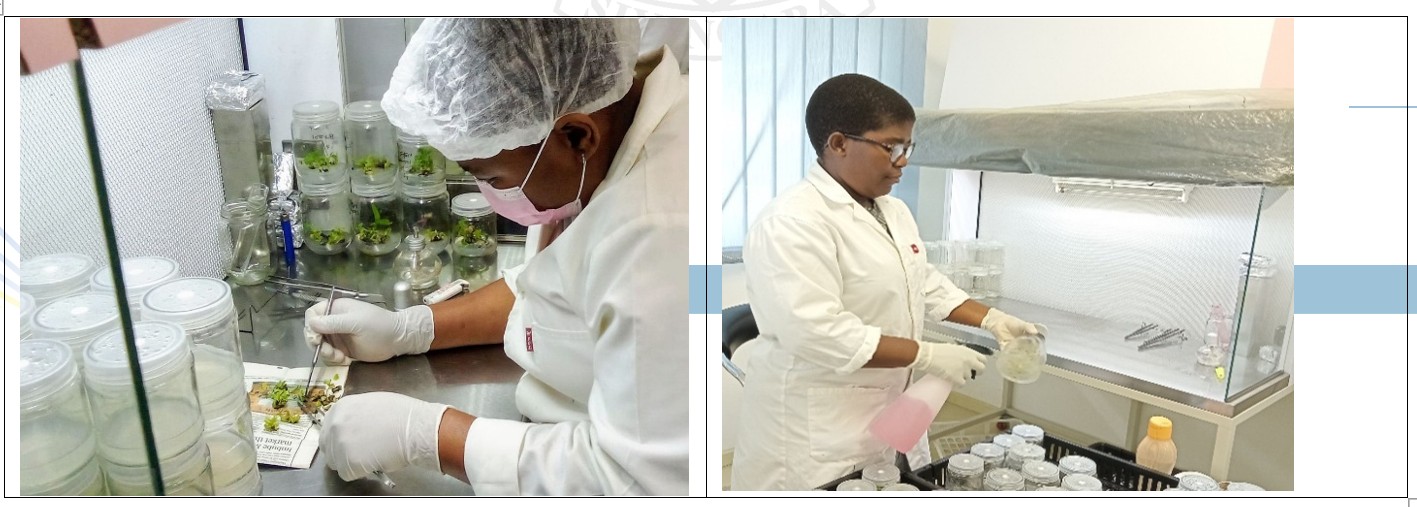
Unlike traditional farming, tissue culture takes place in a sterile laboratory setting. Scientists isolate healthy cells from a master plant to regenerate thousands of identical, disease-free clones.To pull this off, DARSS uses an advanced multi-stage micropropagation process (multiplying plants at a microscopic level). Here is how a single plant cell becomes a thriving orchard:
1.Selecting the Elite Mother:
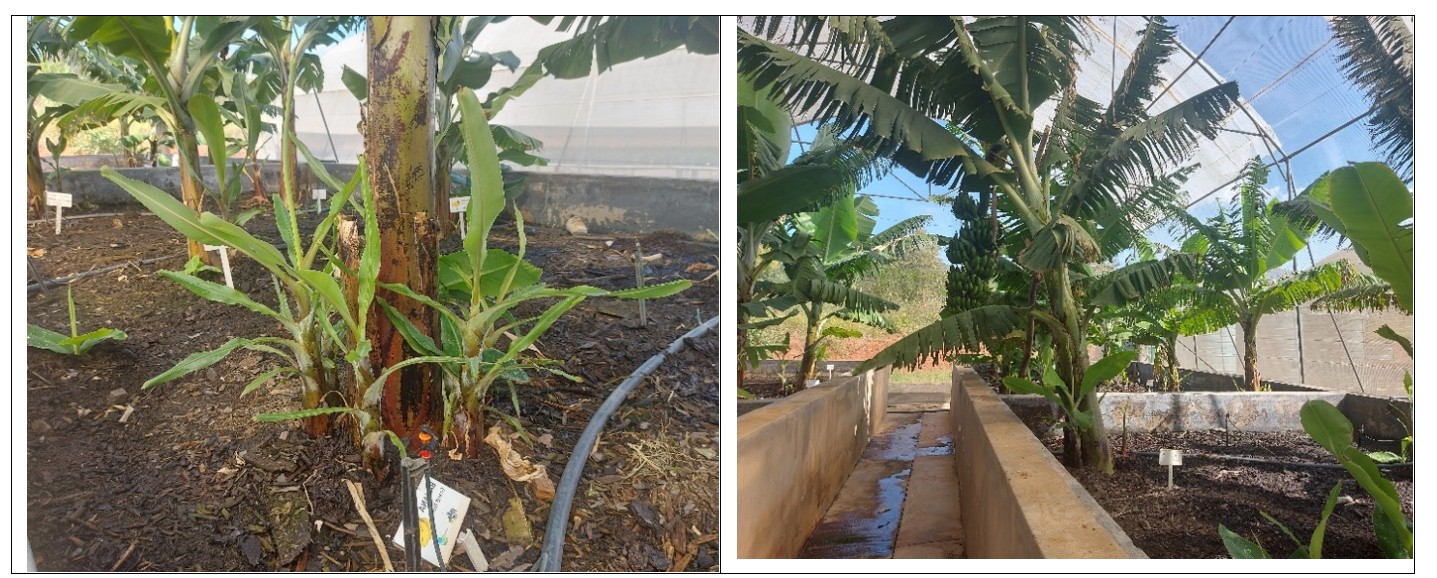
Stage 1: Selection.
Scientists scout local fields for elite "mother plants" exemplary specimens chosen for their massive yields, superb fruit quality, and vigorous health.
2.The Microscopic Cut
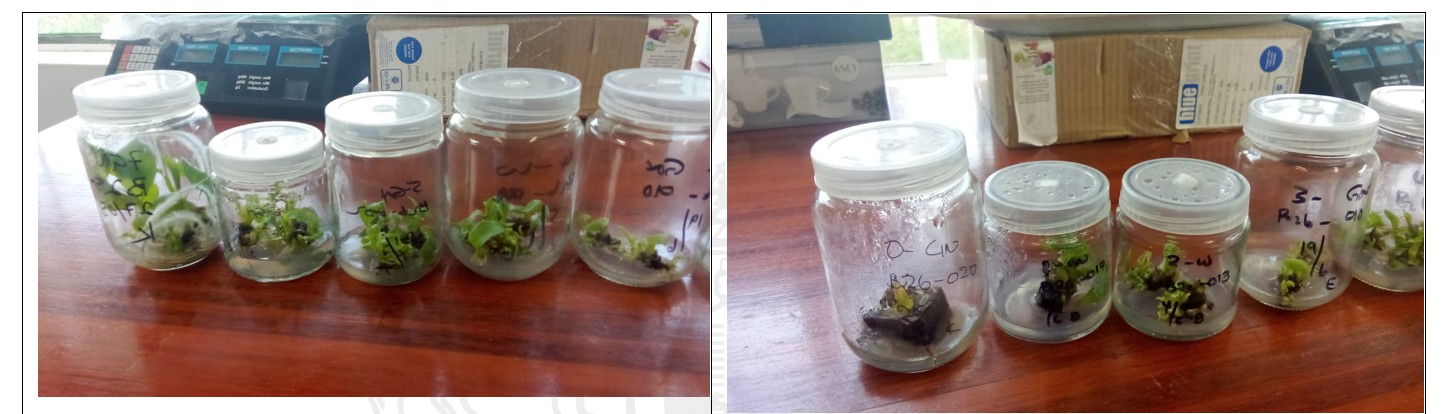
Stage 2: Isolation.
The active growing tip, called the apical meristem, is harvested. This tiny tissue undergoes rigorous surface sterilization before being introduced to a nutrient-rich agar jelly under strictly sterile laboratory conditions.
3.Mass Cloning
Stage 3: Proliferation.
Supplemented with natural plant hormones, these tissues are stimulated to multiply rapidly. A single initial tip can be multiplied into thousands of individual shoots over several cycles.
4.Greenhouse Boot Camp
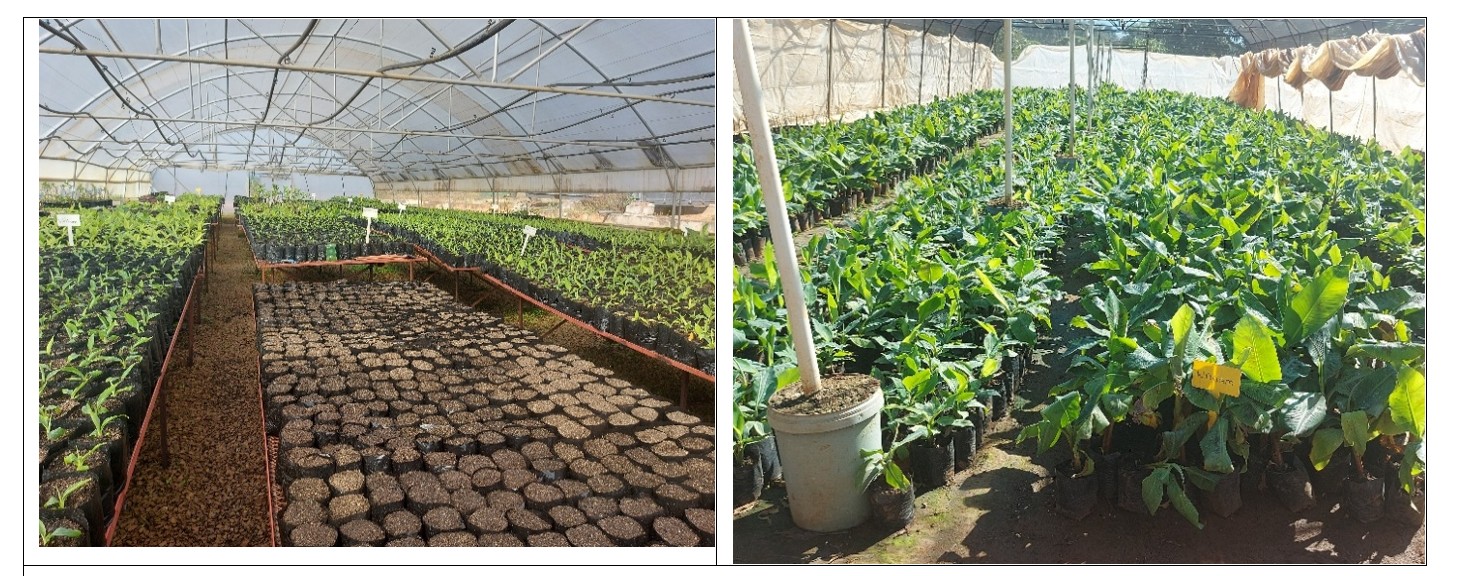
Stage 4: Acclimation.
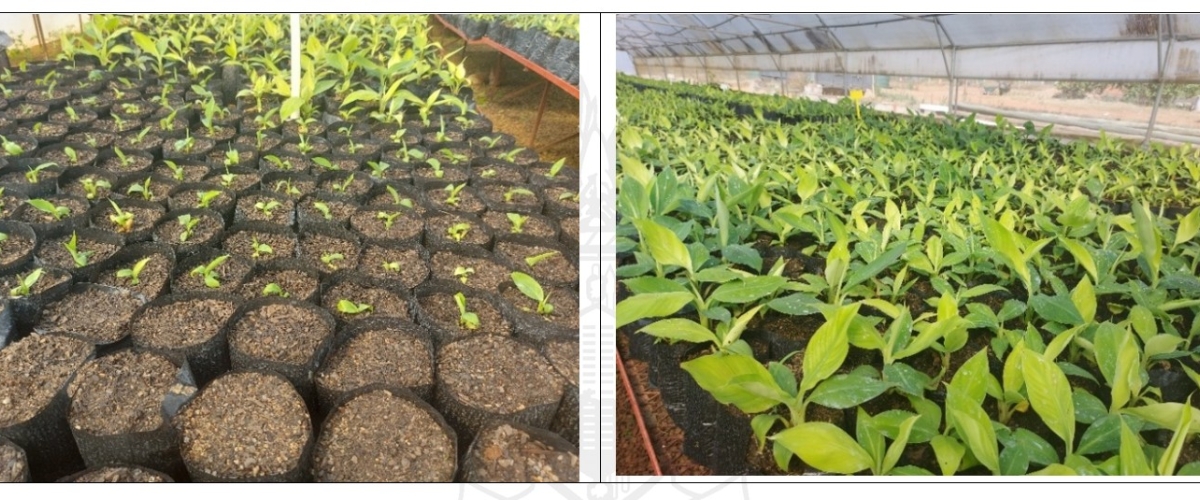
Once shoots develop strong, independent roots, these delicate plantlets face a critical phase. They are moved to specialized greenhouses to gradually adjust from high-humidity lab conditions to natural ambient weather. This ensures exceptionally high survival rates in the wild.
The Macro Impact: From Import Dependency to Export Powerhouse
The economic implications of this biotechnological shift are reshaping Eswatini's trade balance.
Metric | Before Tissue Culture | After DARSS Intervention |
Sourcing | Heavily dependent on imported commercial banana stock. | Self-sufficient, robust local supply of 500,000 superior seedlings. |
Crop Inputs | High expenditure on chemical eco-toxins (fungicides). | Drastically reduced overhead due to pest-free starting crops. |
Market Reach | Limited to volatile, low-grade local trading. | High-grade uniformity meeting strict international standard rules. |
Historically, Eswatini imported a massive portion of its commercial banana stock and mature fruit from neighbouring nations. By establishing a robust local supply of superior seedlings, DARSS has strengthened domestic food security and substituted expensive agricultural imports. On the international stage, the benefits are even more pronounced. Global agricultural trade is governed by stringent sanitary and phytosanitary (SPS) standards. Tissue-cultured bananas easily satisfy these rigorous export requirements by ensuring a clean, uniform, and premium-grade product. Export-oriented farmer schemes have successfully tapped into lucrative regional markets, notably South Africa, injecting vital foreign currency directly into Eswatini's rural economy. As DARSS continues to scale up its laboratory capacity and expand its outreach programs, the Kingdom's banana sector stands as a testament to how targeted scientific research can directly catalyse grassroots economic empowerment and sustainable nation-building.
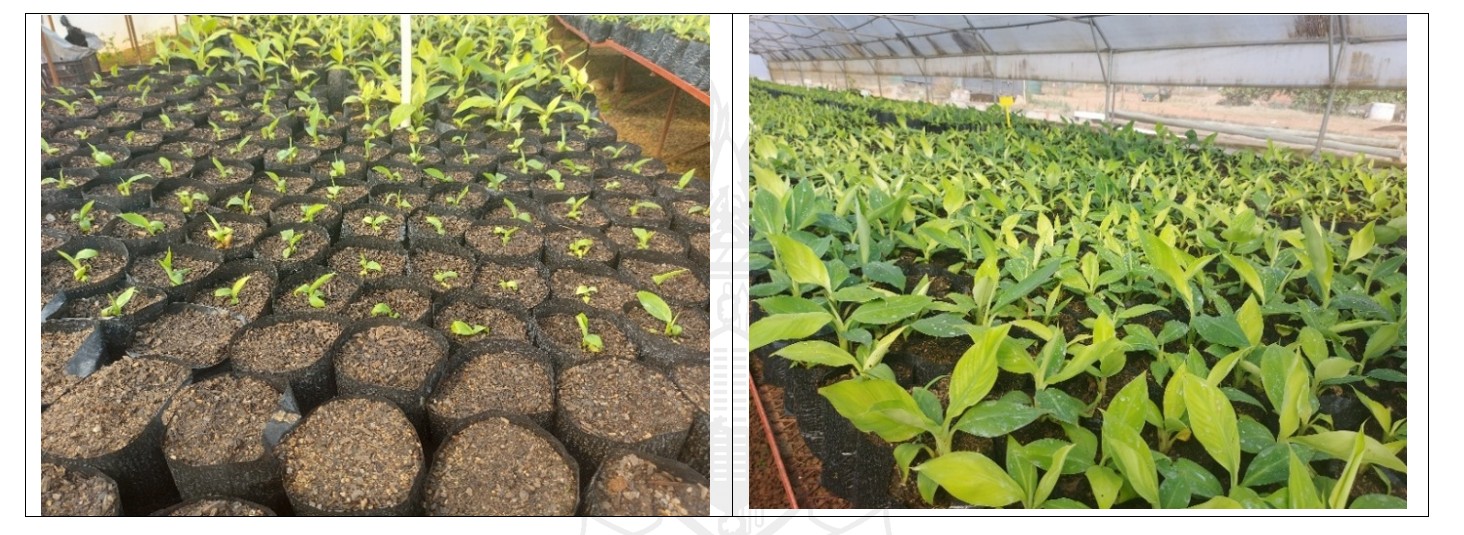
The production of high-quality banana seedlings by the Department of Agricultural Research and Specialist Services (DARSS) greatly accelerated by tissue culture laboratories developed in collaboration with the Taiwanese government has served as a powerful engine for economic diversification and rural wealth creation in Eswatini. By supplying smallholder farmers with over 500,000 disease-resistant, high-yielding banana seedlings, DARSS has enabled communities to break away from riskier monoculture traditions like sugarcane cultivation. This shift has dramatically boosted local agricultural income often yielding up to 40% higher returns per hectare than sugarcane while fostering a robust local supply chain that supplies thousands of tons of fresh fruit to both domestic and export markets. Ultimately, this initiative has enhanced household food security, generated consistent cash flow for rural families, and significantly reduced Eswatini’s reliance on costly fruit imports.
The author is the Research Officer at the Department of Agricultural Research and Specialist Services and also CCARDESA ICKM Focal Point Person in Eswatini