By Happy Mulolani
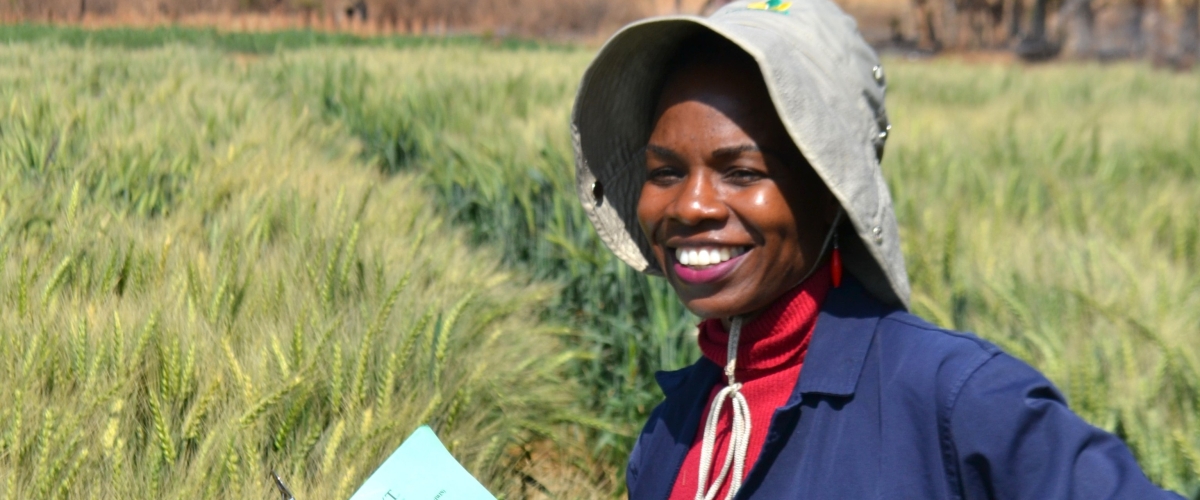
Stakeholders recently convened in Lusaka to devise a contingency response plan for wheat in view of the devastating wheat blast.
Wheat is the second most cultivated food crop after rice worldwide. While in Zambia, wheat is the second most cultivated cereal crop after maize. It is considered to be one of the strategic crop in Zambia, thereby contributing to the national food security, nutrition and economic development. It is grown under two systems, and these include irrigated and rainfed. The former is cultivated by commercial farmers and the latter by smallholder farmers. Unfortunately, Zambia is still not self-sufficient. For instance, 100,000 metric tonnes of wheat were imported in 2024 to address the deficit.
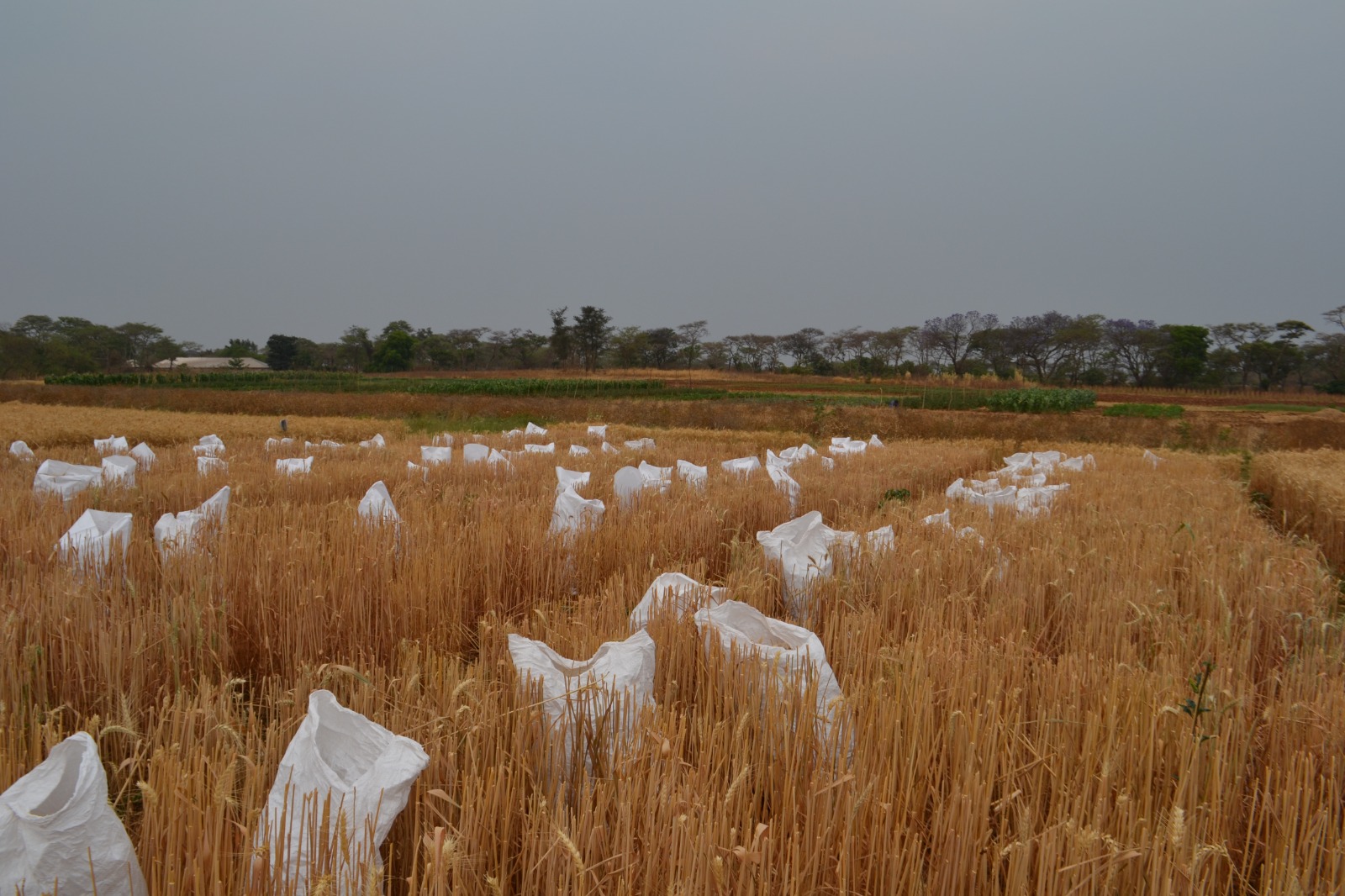
In his remarks, Morton Mwanza, Assistant Director – Crops, Ministry of Agriculture, Department of Agriculture, categorically stated that wheat is the most consumed grain after maize in Zambia. “The production trends of wheat show an upward increase with 214,000 tonnes in 2015 to 250,000 tonnes in 2025, translating to about 16.8 percent in the last 10 years,” Mr. Mwanza said.
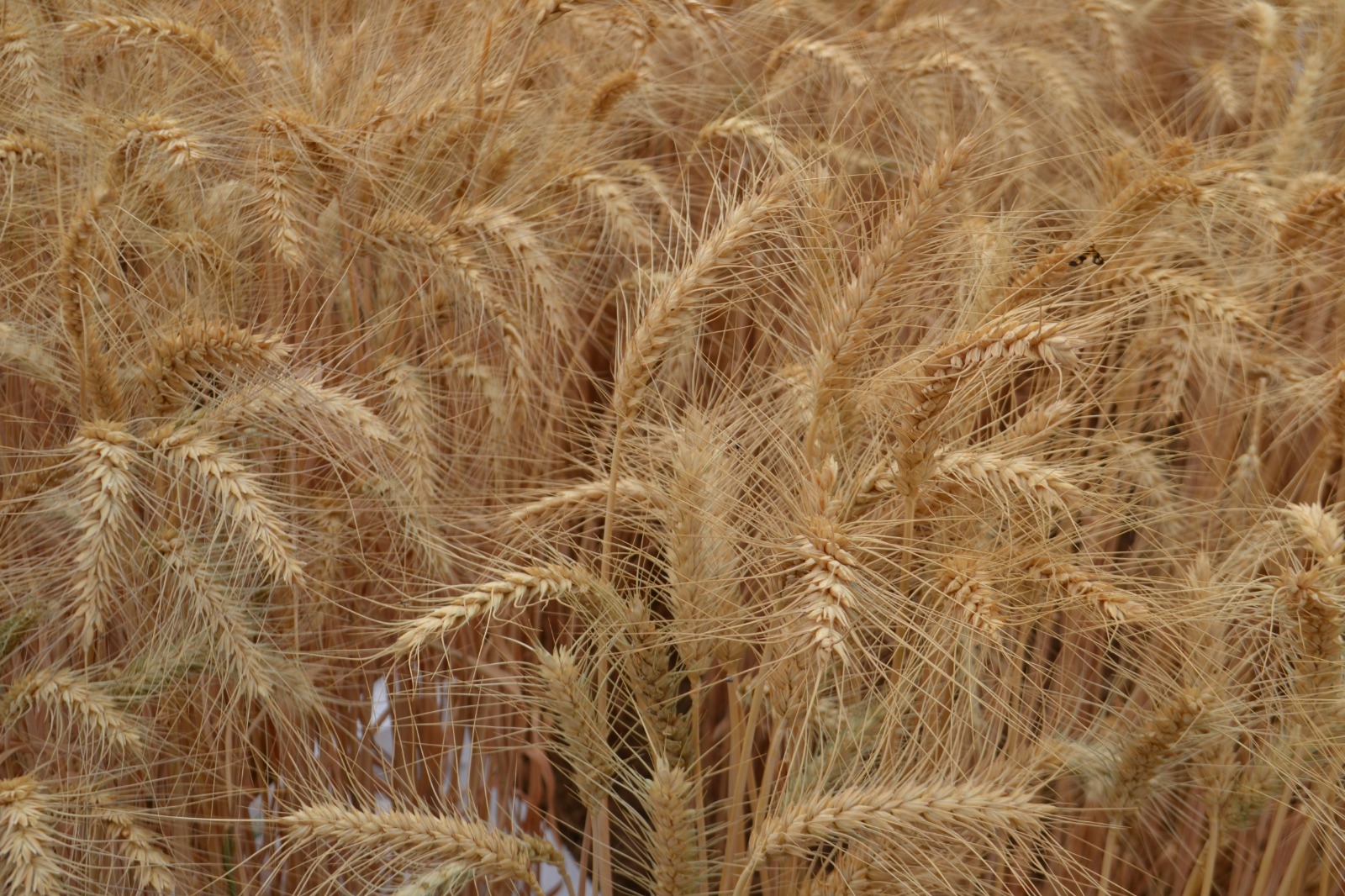
Mr. Mwanza said, despite the positive gains so far, wheat is at risk from the devastating wheat blast. “This funga disease has already caused significant losses in other regions of the world, and its identification in Zambia poses a serious threat to wheat production systems for both small and large-scale farmers,” he expressed concern.
The status quo presents an opportunity to safeguard one of Zambia’s most important crops and build resilience in the agricultural sector.
“Preparedness is not optional but essential. By developing a robust contingency/response plan, we’re equipping ourselves with the tools for prevention, early detection, and rapid response. This proactive approach will minimise risks, protect farmers’ investments, and safeguard national food supplies,” he said.
He emphasized the need for collaboration among stakeholders and built strong partnerships among government agencies, research institutions, farmer organizations, private-sector actors, and international partners.
“Each partner brings unique expertise and resources, and together we can build a coordinated, effective defense against this disease,” Mr. Mwanza said.
Mr. Mwanza acknowledged the support rendered by CABI through the PlantWisePlus program and for facilitating the workshop to develop a contingency plan to prevent wheat blast.
He underscored the key role of the coordinating department for the PlantWise Plus program: “strengthening plant health systems, enhancing pest and disease surveillance, and supporting rapid response mechanisms.” He urged participants to offer their insights, technical expertise, and critical analysis to strengthen coordination mechanisms and to commit to implementing agreed actions. “This writeshop is more than a technical exercise; it is a collective investment in Zambia’s agricultural future…we aim for a clear, actionable plan that strengthens national readiness and builds Confidence among farmers, policymakers, and stakeholders,” Mr. Mwanza stated.
CABI Regional Director Natasha Mwila urged all stakeholders to commit to developing the contingency response plan and to effectively discharge their outlined responsibilities. Dr. Mwila reiterated that working on the contingency plan requires concerted effort as it involves a lot of work. It also draws on a multidisciplinary approach in order to work effectively.
We need concerted efforts to tackle this problem. Previously, we have faced various pests, like fall armyworms, cassava brown streak virus, among others…we should not be reactive as it can be detrimental to the environment; instead, we need to respond appropriately,” she explained. Invasive Species Management Scientist Dr. Chapwa Kasoma spoke on behalf of Dr. Natasha Mwila during the workshop on the contingency plan.
Zambia Agriculture Research Station Institute, Principal Agricultural Research Officer, Batiseba Tembo, advised farmers to avoid recycling seed in their fields; instead, they should plant certified seed and also practice crop rotation. For instance, rotating wheat with non-host crops like legumes, such as soya beans.
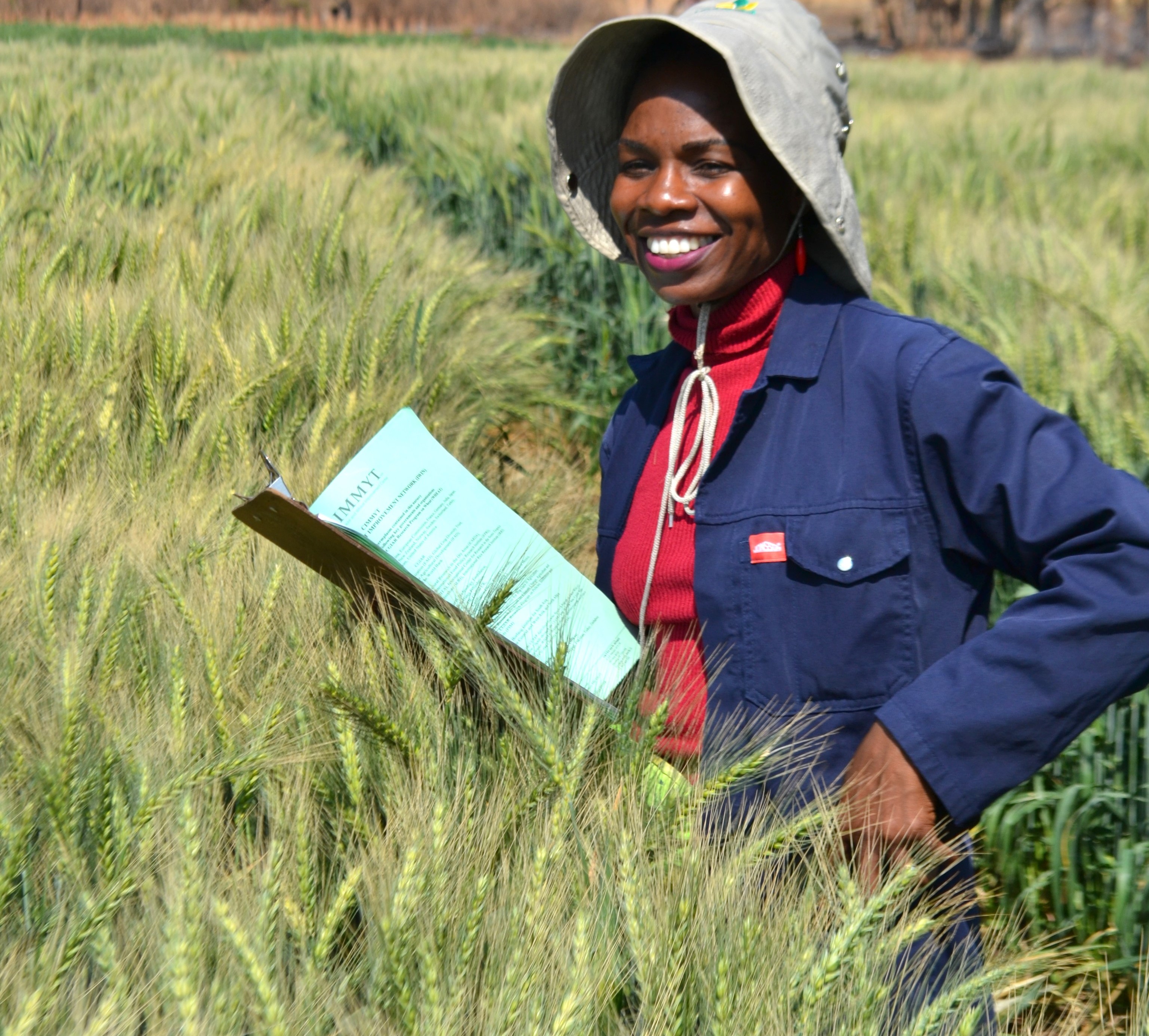
Dr. Tembo clarified, “Although no blast is observed in wheat grown under irrigated conditions…continued monitoring of wheat blast in these fields is strongly recommended.” She also pointed out that, given the prevailing climate change, the disease is likely to be detected during the present-day cool and dry season.
Dr. Tembo suggested some strategies to reduce breeding resistance. “Seed treatments should be used with appropriate fungicides for stopping the spread of inoculum from infected seeds to seedlings, coupled with wheat blast surveillance to help early detection and effect timely management strategies,” She indicated.
Seed Control and Certification Institute Seed Officer Grace Muzyamba emphasized that, to ensure good yields, farmers need to plant wheat varieties free from pathogens such as wheat blast. Therefore, it is envisaged that this Wheat Blast contingency response plan will enable early detection and diagnosis, ensure effective containment, and conform to international standards.
The government prioritizes wheat production through a presidential directive that sets targets of 10 million tonnes of maize, 1 million tonnes of wheat, and 1 million tonnes of soya beans. Overall, the stakeholders’ collective efforts will determine how effectively Zambia’s wheat sector is safeguarded. These concerted efforts will build a resilient, sustainable, and secure wheat sector in Zambia.
The author is the Principal Agricultural Information Officer for the National Agricultural Information Services (NAIS).