The Government of Mozambique has identified the Namacurra Rice Regional Centre of Leadership as a key pillar in its efforts to strengthen seed security, advance agricultural research, and accelerate progress towards food sovereignty.
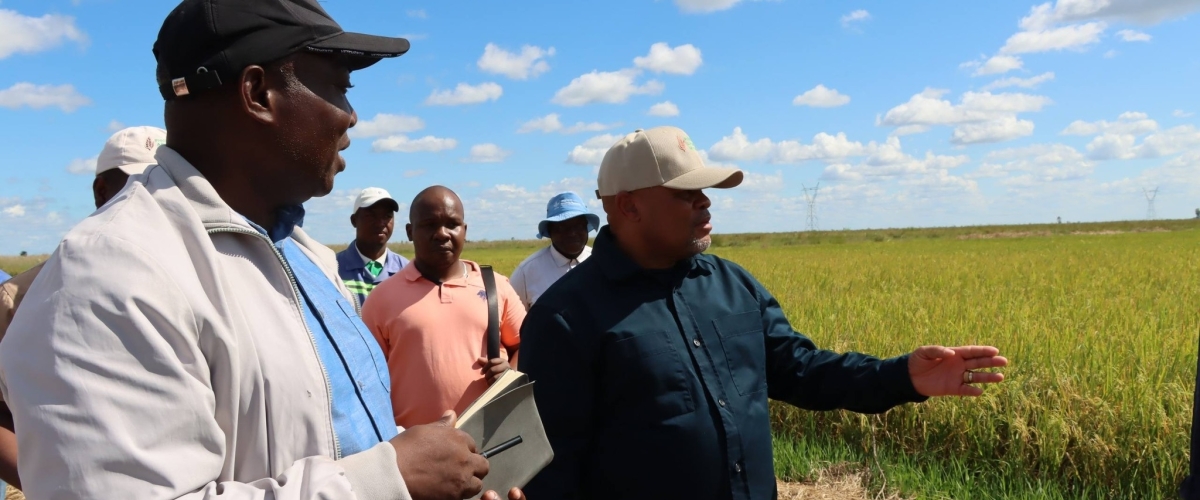
This strategic positioning emerged following a working visit by the Minister of Agriculture, Environment and Fisheries, Roberto Mito Albino, to the centre in Zambézia Province on 29 May 2026, where he assessed ongoing research activities, seed production systems, and the institution's readiness to support the country's ambitious 2026/27 Cropping Season.
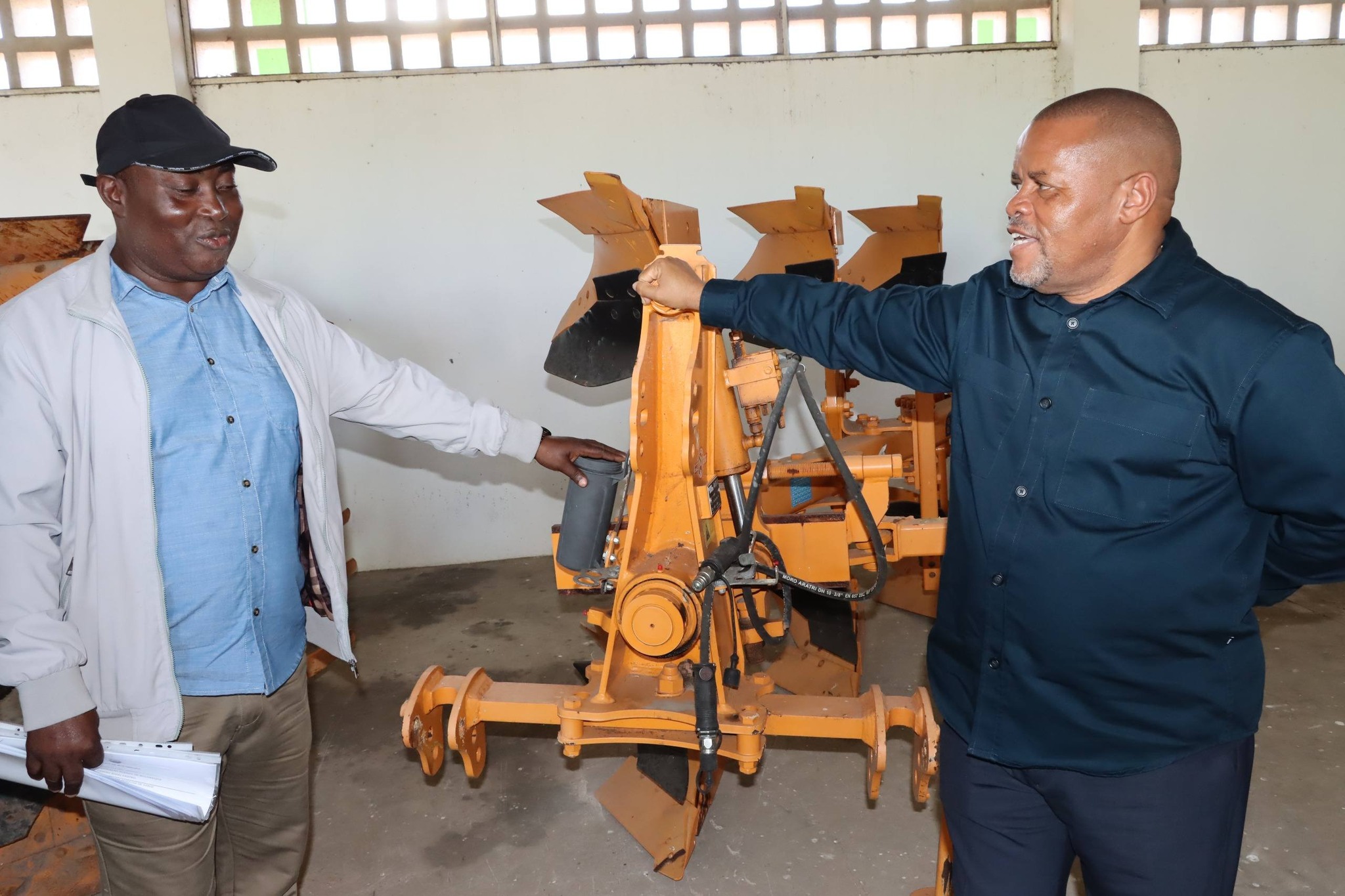
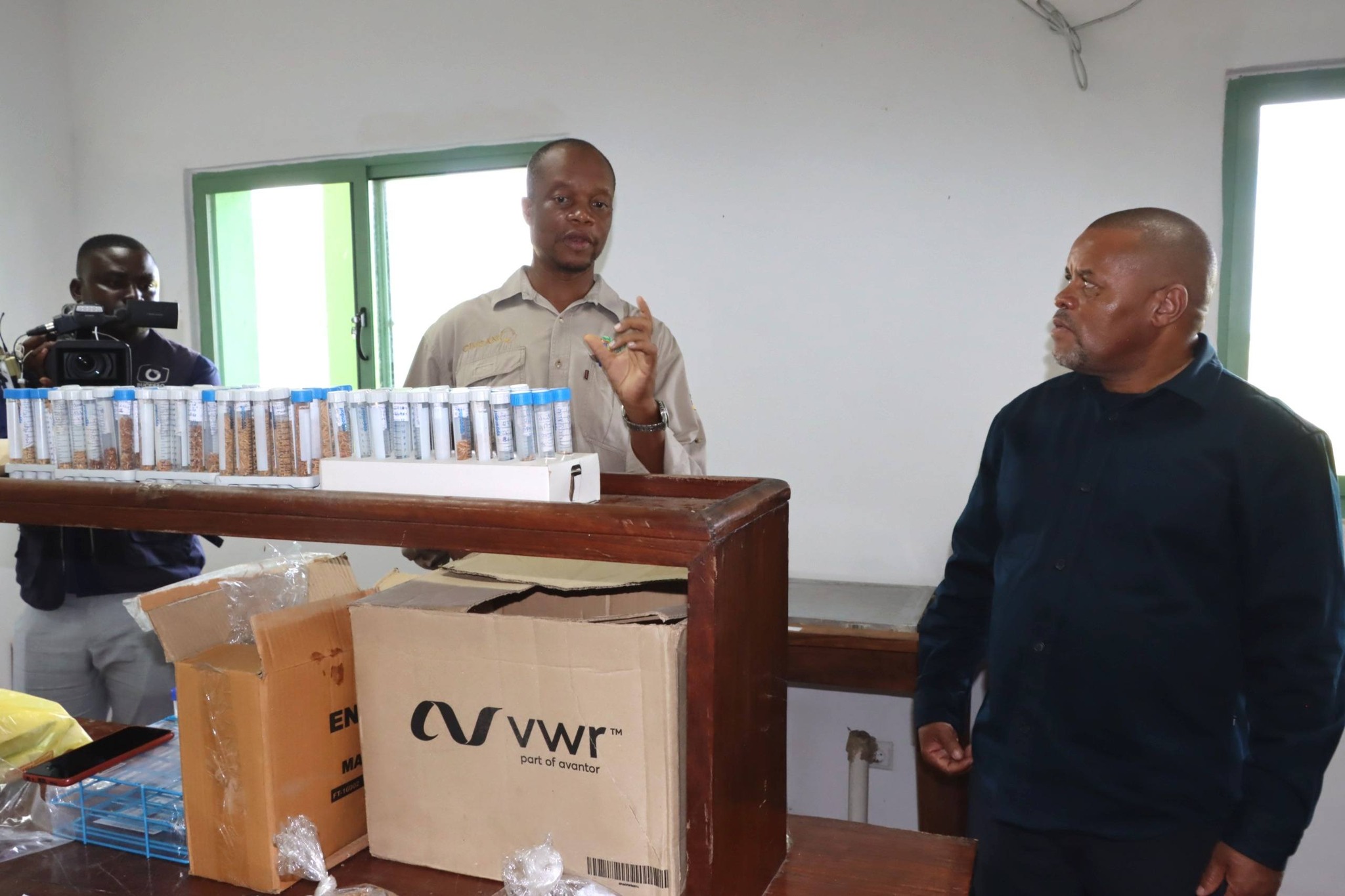
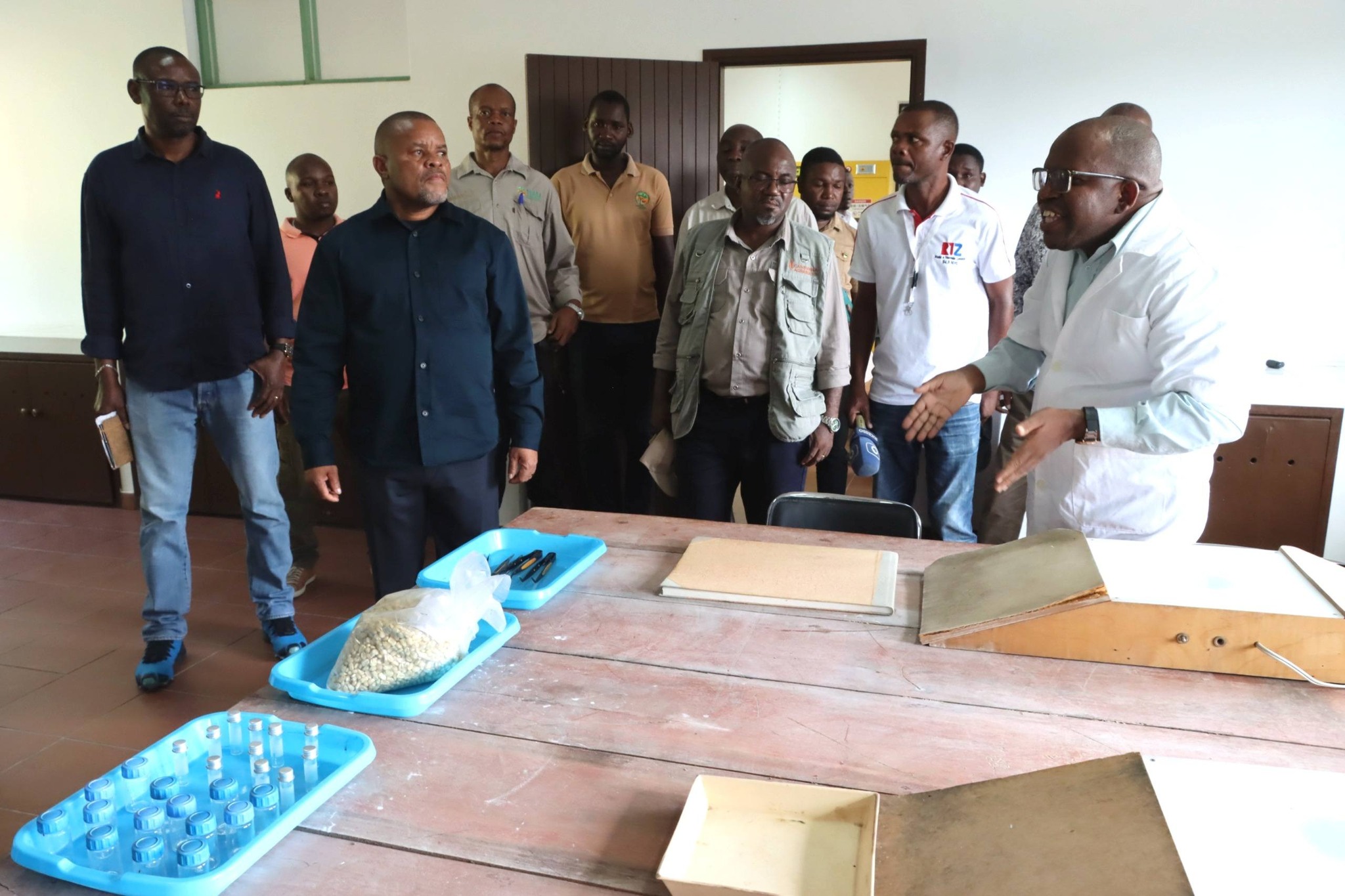
Following engagements with researchers and inspection of seed production fields and research facilities, the Minister concluded that the centre possesses the scientific and technical foundations required to make a significantly greater contribution to Mozambique's agricultural transformation. He further identified targeted measures that could unlock the centre's full potential, including the installation of equipment already available on-site and granting of administrative and financial autonomy to enable more efficient management of research activities.
"It is our goal that, during the next 2026/27 Cropping Season, this Centre will make an even greater contribution than it has made thus far, because we have found here the scientific foundation we need to strengthen food sovereignty in our country," said Roberto Albino.
The Minister highlighted the centre's critical role in the purification of genetic material and production of high-quality basic rice seed for multiplication and distribution, noting that a robust seed system remains fundamental to increasing agricultural productivity and reducing dependence on imports.
 |  |  |
The Namacurra Rice Regional Centre of Leadership was established through Phase I of the Agricultural Productivity Programme for Southern Africa (APPSA), a World Bank-funded regional initiative that sought to strengthen agricultural research collaboration and technology generation across the Southern African Development Community (SADC). The Project Development Objective (PDO) of APPSA was to increase the availability of improved agricultural technologies in participating countries' project areas through regional specialization, collaborative research, and knowledge sharing.
APPSA introduced an innovative model of regional research specialization aimed at reducing duplication of efforts among countries conducting research on similar commodities while promoting the efficient use of resources, expertise, and infrastructure. Under this approach, participating countries were assigned the responsibility for leading research on commodities of regional importance and sharing technologies and innovations across borders.
As a result, Mozambique was designated as the regional leader for rice research and development through the Namacurra Centre. The facility forms part of a network of five Regional Centres of Leadership established under APPSA across Southern Africa, alongside Malawi for maize, Zambia for food legumes, Angola for cassava, and Lesotho for horticulture. Together, these centres have become important platforms for collaborative research, technology dissemination, capacity building, and agricultural innovation throughout the region.
The Minister's visit reaffirmed the continued relevance of this regional model at a time when Southern African countries are seeking sustainable solutions to food insecurity, climate-related shocks, and declining agricultural productivity. Strengthening the Namacurra Centre is therefore expected to generate benefits that extend beyond Mozambique's borders, contributing to regional efforts to improve rice production and food system resilience.
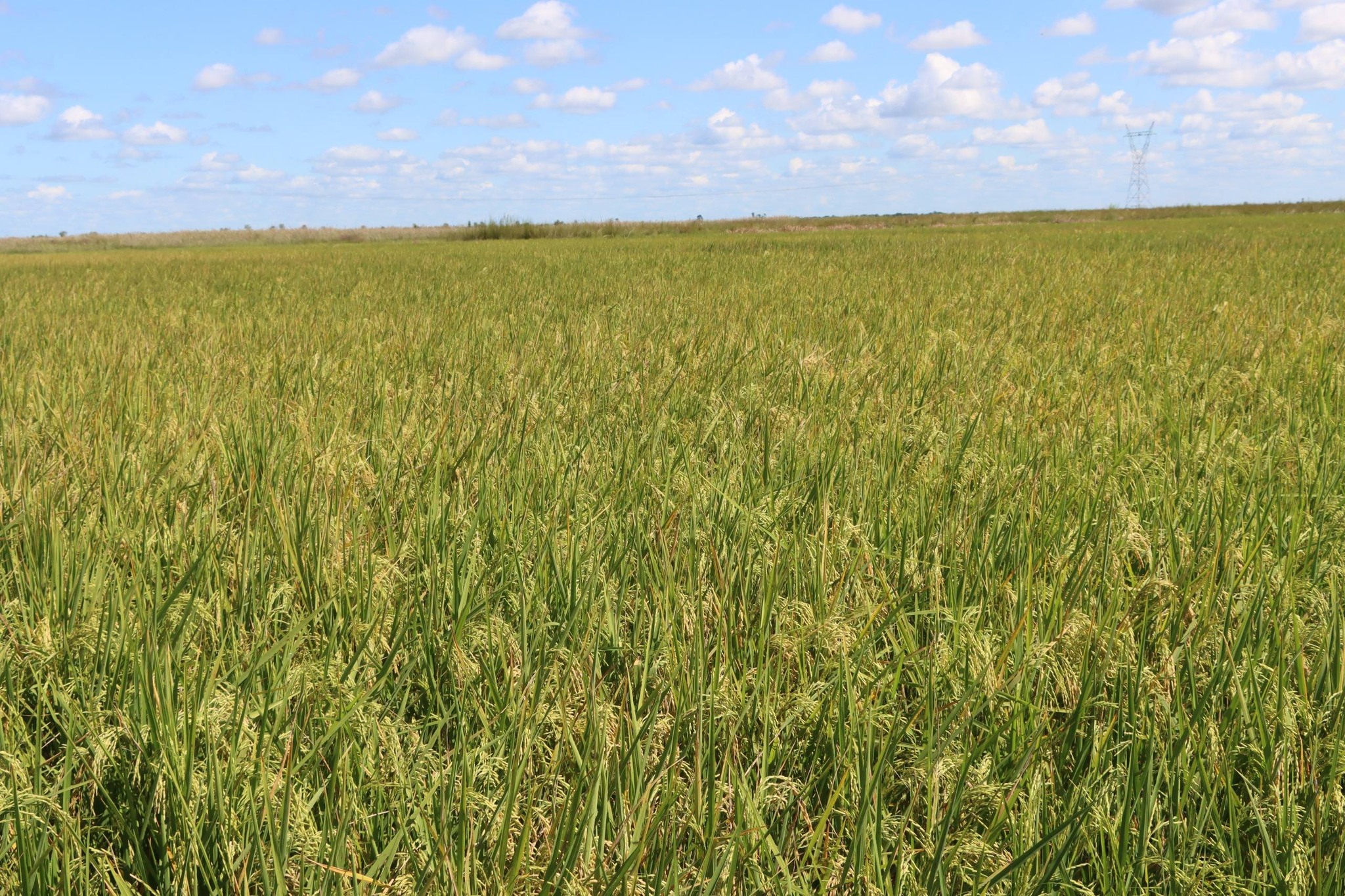
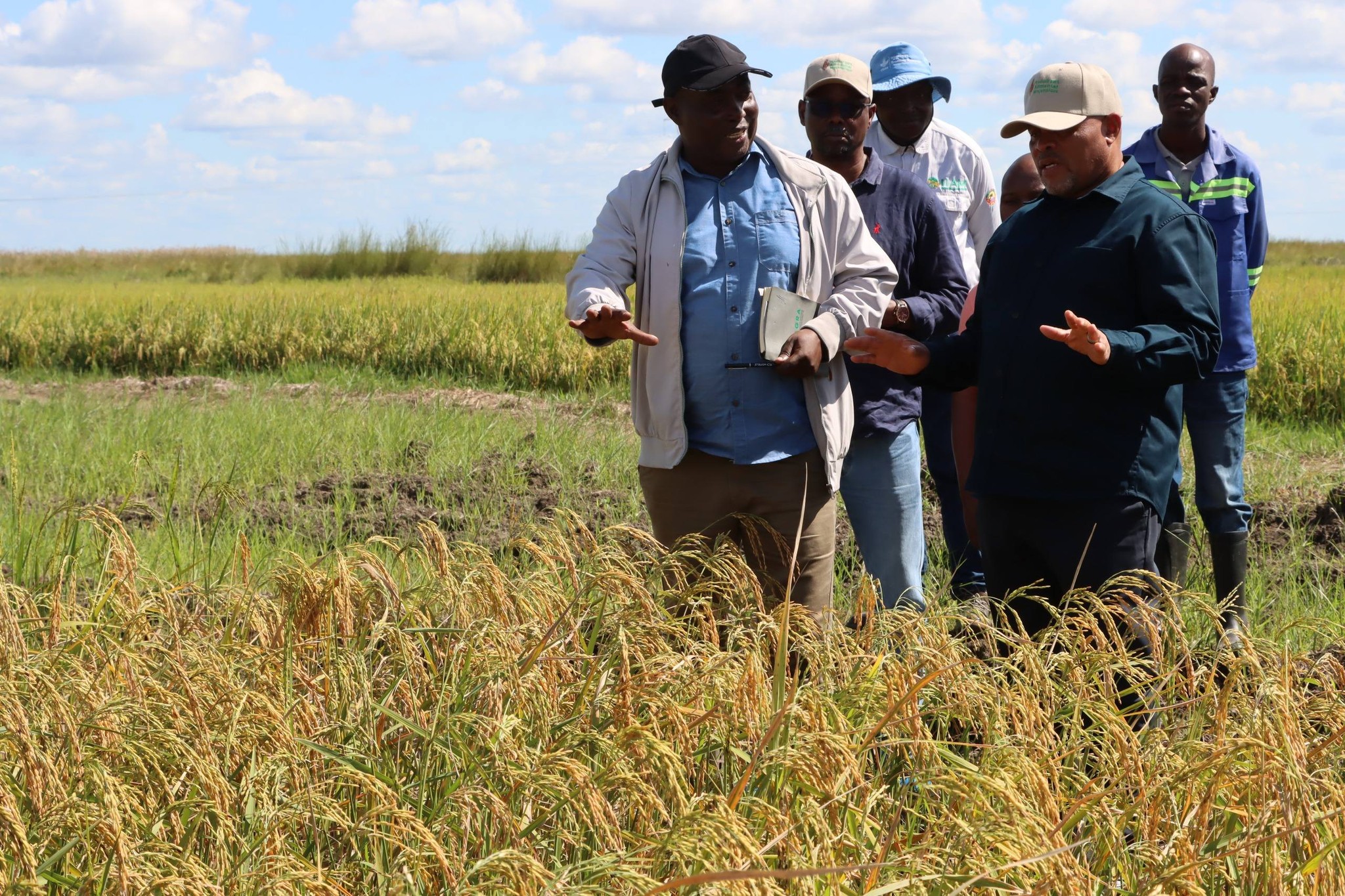
During field inspections, Roberto Albino observed healthy rice seed production plots with promising prospects. Current projections indicate yields of at least five tonnes per hectare, demonstrating the centre's growing capacity to support national seed production objectives.
 |  |
To further enhance the centre's contribution, the Ministry of Agriculture, Environment and Fisheries and the Zambezi Valley Development Agency are exploring the implementation of a support programme that will facilitate the immediate replanting and multiplication of seed currently under production. The initiative is expected to ensure the availability of sufficient quantities of quality seed ahead of the launch of the 2026/27 Cropping Season.
Despite progress in expanding local seed production, the Minister noted that current volumes remain below the levels required to support the Government's ambitious plans for the 2026/27 Cropping Season. As an interim measure, IIAM and the National Directorate of Sanitation and Biosafety have been tasked with identifying qualified international suppliers to facilitate the exceptional importation of quality seed, while longer-term investments continue to strengthen national seed production capacity.
At the same time, the Government continues to invest in strengthening domestic research and seed production systems, positioning IIAM and its research centres as key drivers of agricultural transformation and innovation.
The visit marked an important step towards elevating the Namacurra Rice Regional Centre of Leadership from a research institution to a strategic engine for agricultural development. By strengthening its operational capacity, expanding seed multiplication efforts, and reinforcing its role as a regional centre of excellence, Mozambique is advancing its food sovereignty agenda while fulfilling its regional mandate to generate and share rice technologies that benefit farmers across Southern Africa.
Source: Press Release from the Ministry of Agriculture, Environment and Fisheries