
Stakeholders from Botswana, South Africa, and Zambia gathered in Gaborone last week for the Herding for Health (H4H) Monitoring, Evaluation and Learning (MEL) Working Group Meeting, reinforcing their commitment to strengthening evidence-based approaches for sustainable rangeland restoration, climate resilience, and improved livelihoods across Southern Africa.
The three-day workshop brought together Monitoring, Evaluation and Learning specialists, technical leads, and representatives from GIZ, Peace Parks Foundation (PPF), Conservation International South Africa (CI-SA), CCARDESA, CLAWS, Vhembe Biosphere, and other implementing partners under the IKI Growing Greener- Herding for Health Programme. The meeting focused on enhancing collaboration, harmonizing monitoring systems, and strengthening the generation and use of evidence to demonstrate impact across project landscapes.
Opening the workshop, H4H Programme representatives emphasized that the success of landscape restoration efforts depends not only on implementation but also on the ability to measure and demonstrate tangible outcomes for communities, livestock production systems, and ecosystems.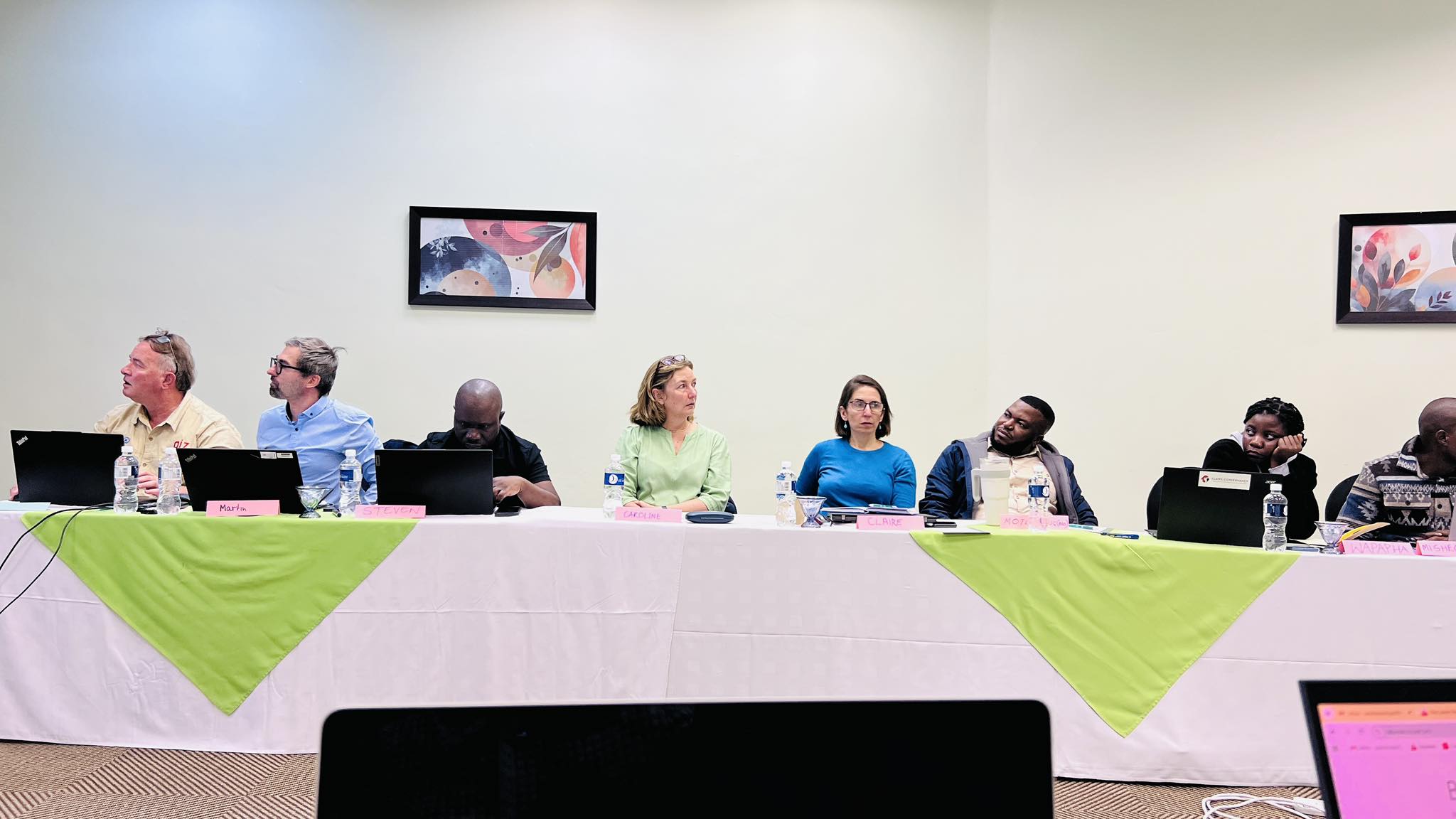
Speaking during the opening session, Dr Edwin Mundongo, H4H Senior Technical Senior Manager, Conservation International Botswana highlighted the importance of developing a common understanding of impact across all implementing landscapes. "As the Herding for Health programme continues to grow across the region, it is important that we strengthen our ability to generate evidence that demonstrates how our interventions are improving livelihoods, restoring rangelands, and building climate resilience. Strong MEL systems allow us to learn, adapt and scale what works," he said
Mr Martin Leineweber Project Manager for IKI Growing Greener from GIZ underscored the importance of robust reporting systems in demonstrating the value of investments in ecosystem restoration and climate adaptation. He noted that Monitoring and learning are not simply donor requirements. They are essential tools that help us understand whether we are achieving the transformational change we seek and how we can improve our approaches over time.
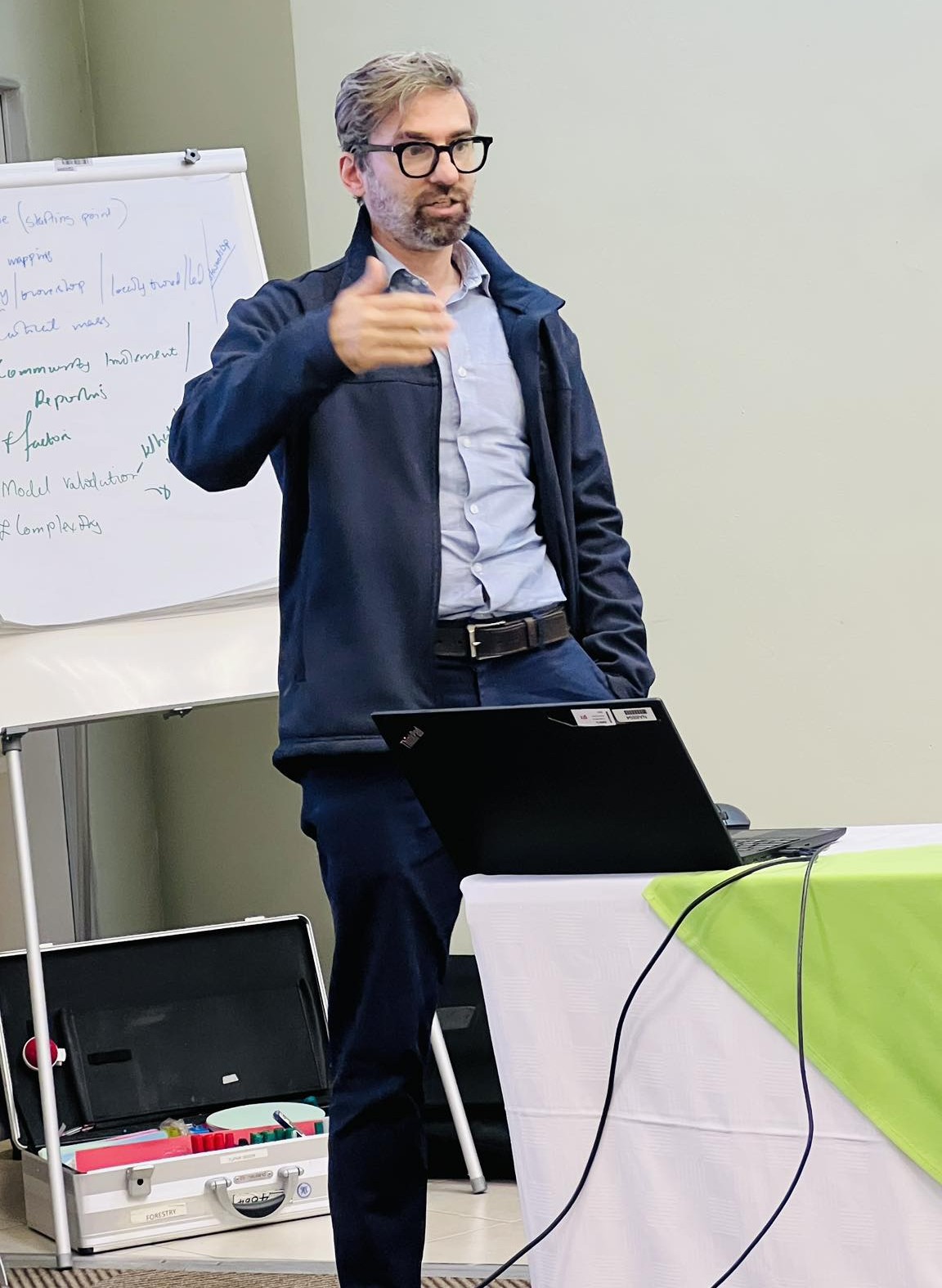
Mr Martin Leineweber
Facilitating discussions on livestock monitoring, Mr Collin Kufakwababa emphasized the need to demonstrate clear links between livestock productivity, improved grazing management, and ecosystem health. "The strength of the Herding for Health model lies in its ability to simultaneously improve livestock performance, restore rangelands, and strengthen livelihoods. Our monitoring systems must be able to capture and demonstrate these interconnected outcomes," he said.
Participants also discussed approaches for standardizing field measurement tools, digital platforms, and reporting mechanisms across implementing partners to improve comparability and reporting quality.
Representing CCARDESA, Mr Dagmore Tawonezvi, Monitoring and Evaluation Officer, highlighted the importance of knowledge management and learning in translating data into actionable insights. "Data only becomes valuable when it informs decision-making. By strengthening learning systems and facilitating knowledge exchange across landscapes, we can accelerate the adoption of successful practices and improve programme effectiveness.
Dr. Misheck Musokwa, Technical Advisor from GIZ South Africa, said that Standardizing data collection tools across all IKI Growing Greener countries is essential for strengthening regional learning, improving the comparability of results, and ensuring evidence-based decision-making for sustainable landscape restoration and climate resilience interventions.
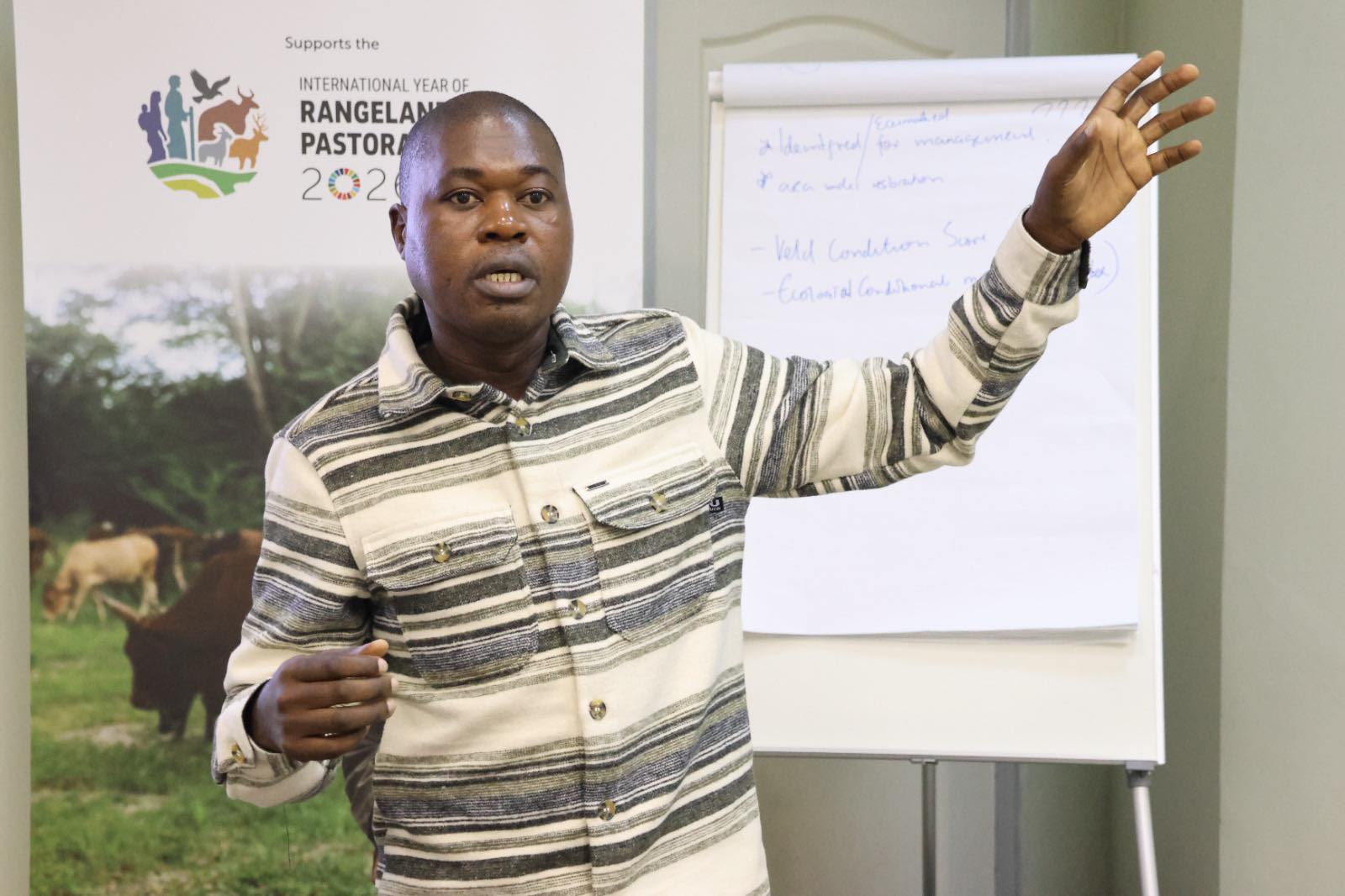
Dr Misheck Musokwa
The workshop delivered several key outcomes that will strengthen the Herding for Health (H4H) Monitoring, Evaluation and Learning (MEL) system and enhance programme impact. Participants aligned on the H4H MEL Plan and results framework, refined and prioritized core indicators, and improved understanding of indicator definitions, measurement methods, and reporting requirements. The workshop also strengthened capacity on data collection tools, including rangeland and livestock monitoring, advanced the H4H learning agenda across its four pillars, and fostered stronger collaboration and shared understanding among partners and landscapes.
Building on the discussions and agreements reached during the workshop, several actions will be undertaken to strengthen Monitoring, Evaluation and Learning (MEL) across the Herding for Health programme. A draft H4H Learning Agenda will be circulated for review to guide collective learning and support evidence generation for the International Year of Rangelands and Pastoralists (IYRP). The H4H MEL Working Group will be formalised as a Community of Practice to promote ongoing collaboration, knowledge exchange, and peer learning. Technical task groups will also be established to refine priority indicators, particularly those related to income and carbon measurement. Efforts will continue towards finalising the H4H MEL Plan, including indicator definitions, measurement protocols, baseline data, reporting frameworks, and alignment with related initiatives such as the IKI Growing Greener project. Partners will further strengthen cross-country learning through regular exchanges of experiences, lessons, and best practices to support adaptive management and continuous programme improvement.
These next steps will contribute to establishing a robust, harmonised, and learning-oriented MEL system that strengthens evidence generation, supports decision-making, and enhances the long-term impact of the Herding for Health programme.
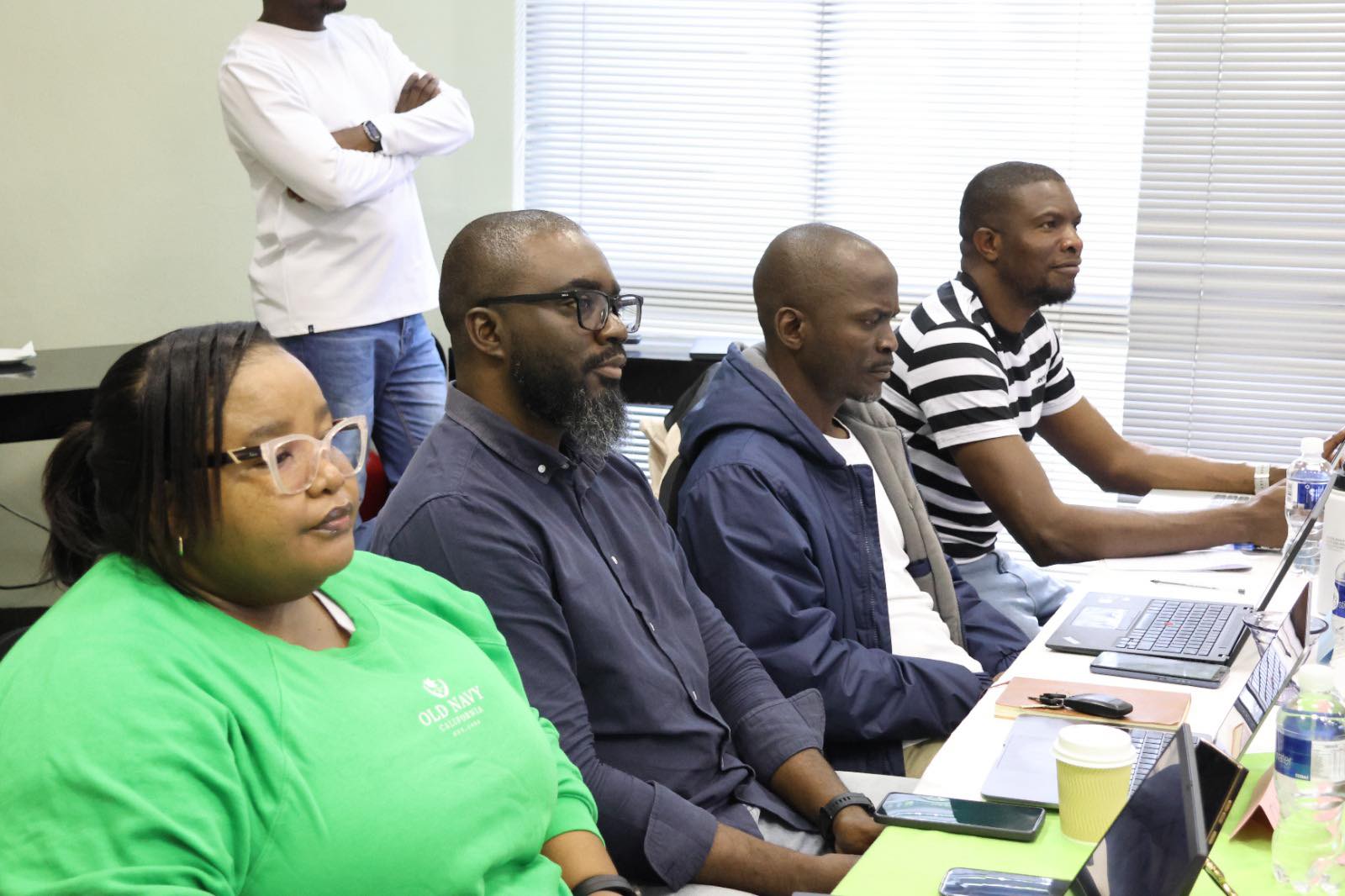
The workshop concluded with agreement on indicator refinements, updates to the MEL Plan, and clear roles and responsibilities for implementation moving forward. Participants reaffirmed their commitment to strengthening collaboration, improving evidence generation, and enhancing reporting systems to support adaptive management across Herding for Health landscapes.
As the IKI Growing Greener – Herding for Health Programme continues to scale its impact across Southern Africa, the outcomes of the Gaborone meeting are expected to strengthen how restoration, biodiversity conservation, climate resilience, and livelihood improvements are measured, communicated, and used to inform future investments in sustainable rangeland management.
The meeting demonstrated a shared commitment among partners to move beyond activity reporting and toward measuring meaningful and lasting change for people, livestock, and landscapes.