
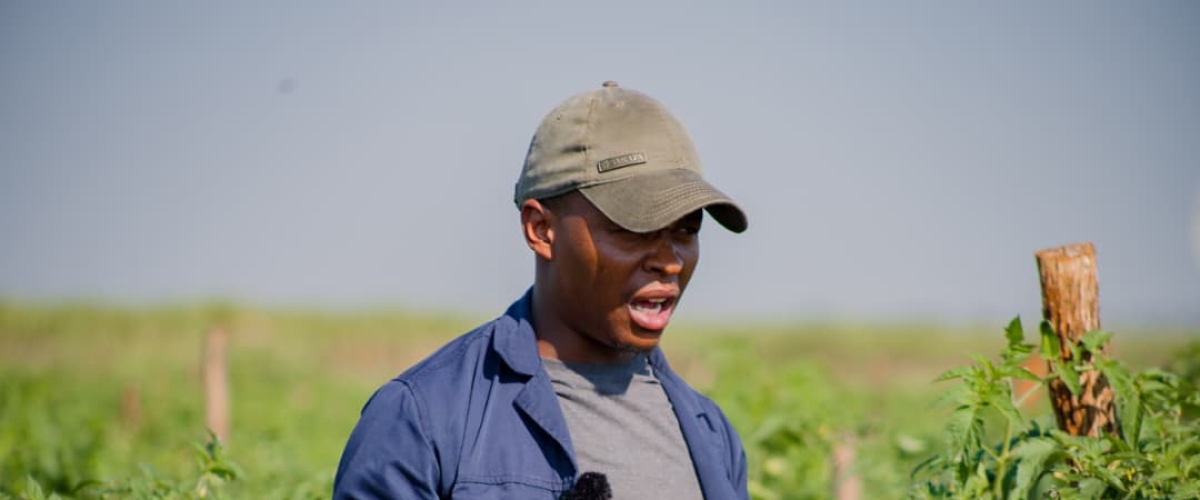
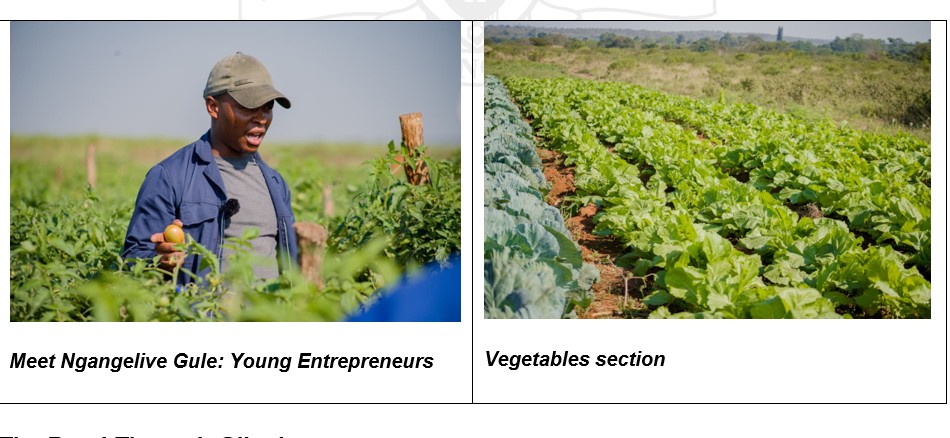
In the sun-drenched Lowveld of Lubombo in the Kingdom of Eswatini, where the heat bounces off the sugarcane fields, a 29-year-old entrepreneur is turning dirt into digital-age gold, proving that a family’s greatest inheritance isn’t always cash but it’s the knowledge of how to feed a nation. Meet Ngangelive Gule.
To Big Bend residents, the Gule surname stands apart, earned through decades of grit and relentless determination. Ngangelive’s late father was a true titan of Eswatini’s agricultural sector. A visionary agribusinessman, he built an empire from the ground up, becoming a vital supplier to commercial giants like the National Agricultural Marketing Board (NAMBOARD) and Ubombo Ranches. He raised a massive family of 36 children on the fruits of the soil. Yet when the patriarch passed away in 2023, the great vegetable farm's engines ground to a halt. The vibrant fields fell silent, the land was placed into a family estate, and production dwindled down to basic livestock grazing. It was a story seen all too often across Africa: a founder passes, and a legacy fades. But Ngangelive refused to let the fire go out.
The Road Through Gilgal
Like thousands of young graduates and youth across the Kingdom, Ngangelive faced the bruising reality of an elusive job market. "Jobs are scarce," he says candidly. "It is a challenge every youth in Africa understands." His perspective shifted completely when he recalled a graduation address delivered by His Majesty King Mswati III at the University of Eswatini. His Majesty urged the youth to look beyond the narrow horizon of formal employment and instead seek to create wealth through sectors like farming.
"His words echoed in my ears and impacted me greatly," Ngangelive reflects. "They changed my entire perception of survival. I realized the old man hadn't just given us chores when we were kids; he had handed us gold. We resisted it then because it was hard work, but as I grew up, I realized the baton was now in our hands." Driven by this revelation, Ngangelive didn't wait for things to happen. In 2021, he took his modest savings and rented about 5 hectares of land in Gilgal, about 48.8km from Big Bend. It was a trial by fire. He learned the modern market, navigated supply chains, and accumulated capital.
Reclaiming Big Bend
By 2024, armed with the profits and experience gathered from Gilgal, Ngangelive returned home. He approached the family elders with a bold proposal: grant him permission to resurrect the family’s dormant vegetable infrastructure. Impressed by his grit, they agreed.
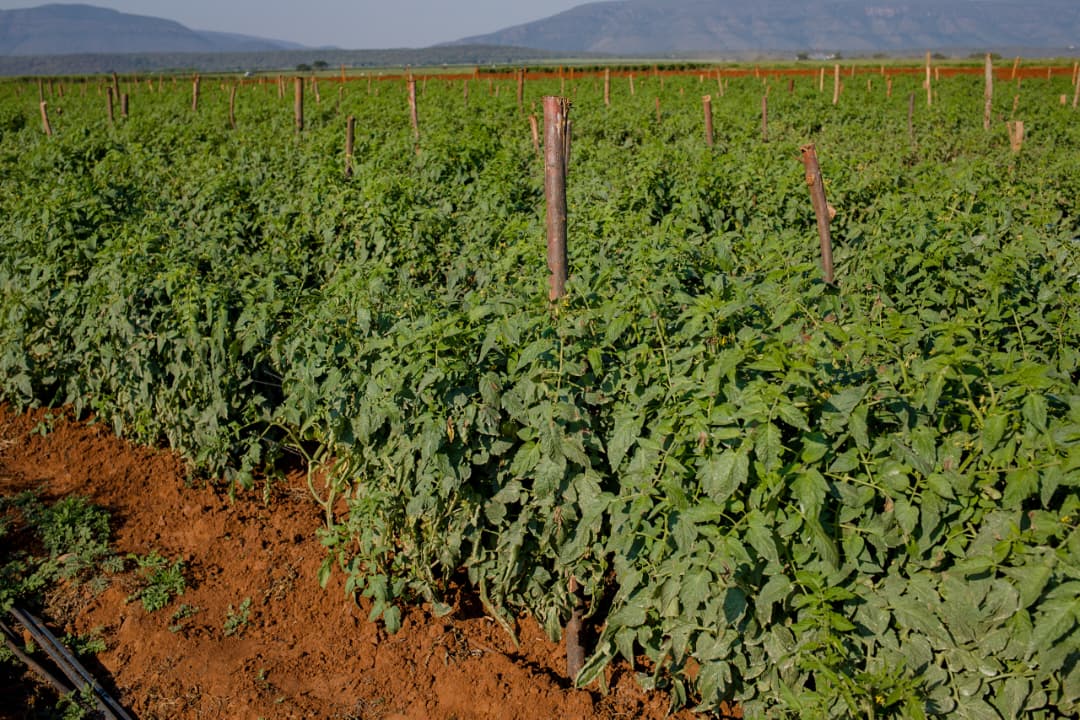
Ngangelive poured his hard-earned Gilgal capital straight into the 67-hectare family farm. He cleared the land, installed heavy-duty water pumps, laid down efficient, water-saving drip irrigation networks, and re-fenced the perimeter to protect the commercial crops. He currently operates on a 20-hectare portion of the farm while actively seeking additional financing to expand into the remaining 47 hectares.
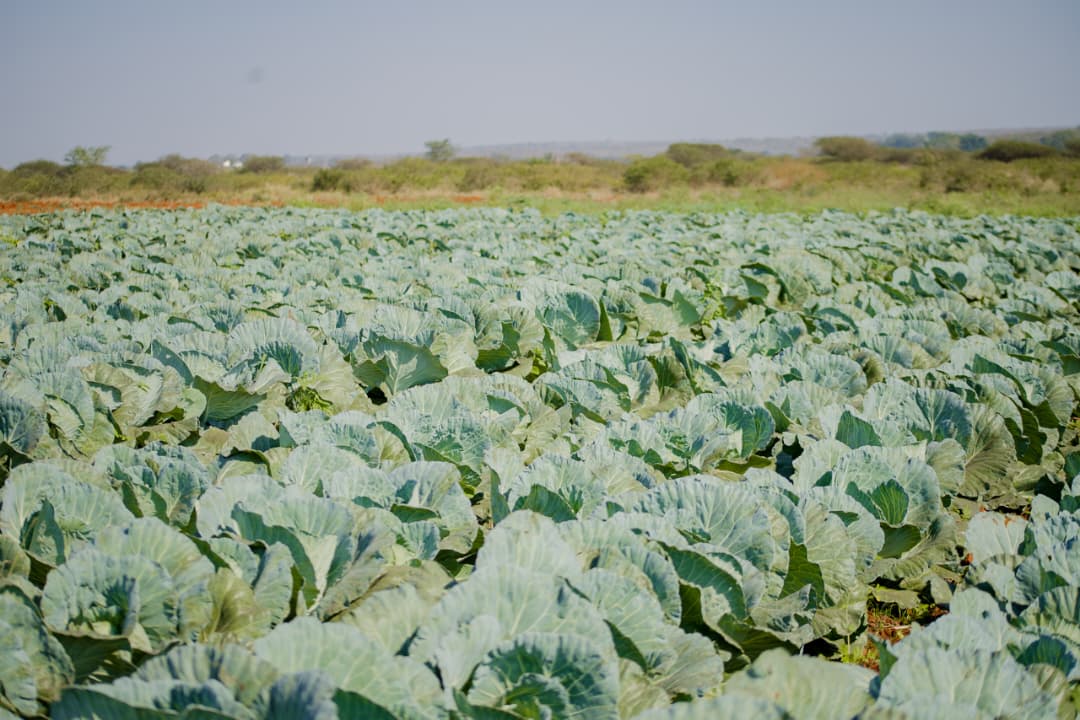
Within months, trucks were rolling again, delivering fresh produce straight to NAMBOARD. As the business scaled at breakneck speed, its financial demands grew. Recognizing the enterprise's rapid trajectory, the Eswatini National Youth Council (ENYC) stepped in with critical financial support, allowing the young farmer to expand his acreage. The success was infectious. By 2025, seeing the true power of their father's revived vision, four of Ngangelive's younger brothers stepped up to join the business. Today, the five brothers operate the farm as a tight-knit corporate brotherhood. "What motivates me the most is the memory of what our father achieved," Ngangelive says. "The wealth he accumulated, the cars he drove, and the fame and influence he had across the entire nation, all through vegetables. He showed us what is possible."
Eyes on the SADC Horizon
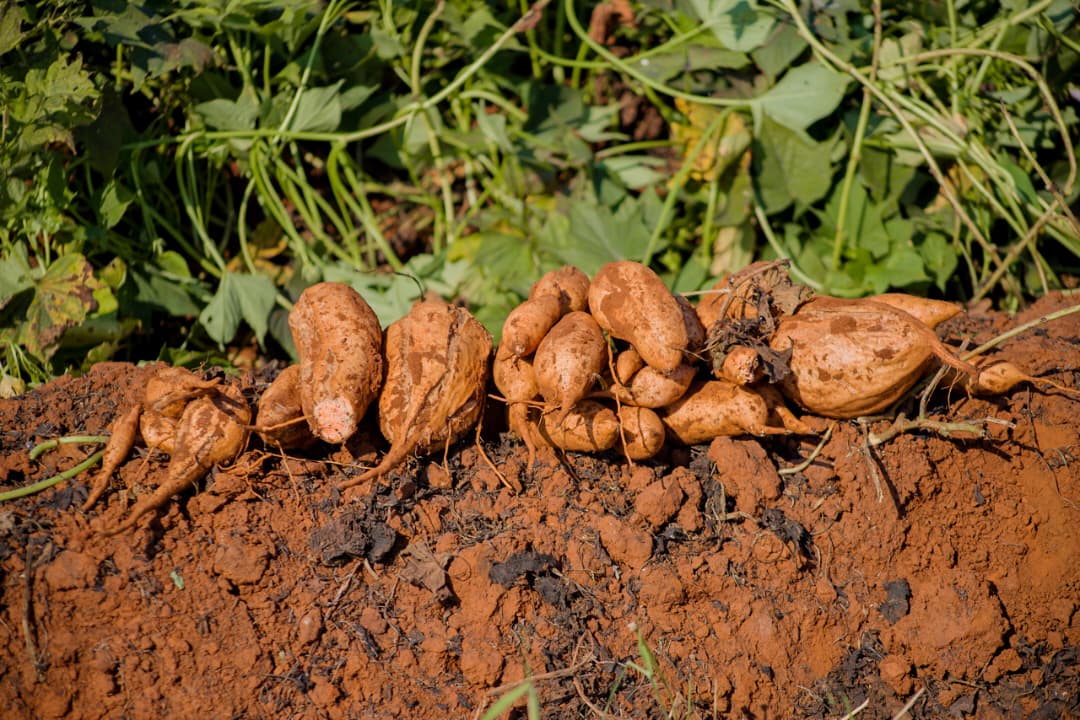
The Kingdom has taken notice. The Small Enterprise Development Company (SEDCO) recently crowned Ngangelive as the Best Agri-Entrepreneur for the Lubombo Region, a testament to the farm's rapid growth and top-tier product quality. But for the Gule brothers, the Lubombo region is just the starting line. The enterprise is currently structuring its operations to begin exporting high-quality vegetables across the entire Southern African Development Community (SADC) region, and they are actively looking for new commercial partnerships and joint ventures. As he looks out over his thriving green rows, Ngangelive has a final message for his peers sitting in urban centers, deserting their family farmland, waiting for a job call: "To the youth, I strongly encourage you to engage in farming. Do not look down on the soil. There is wealth, there is independence, and above all, there is life in farming."
The author is a Research Officer at the Department of Agricultural Research and Specialist Services and is also the CCARDESA ICKM focal point person in Eswatini.