

By Dr. Motlatsi Solomon Molatela, & Mr. Motlatsi James Ntho,
Potato (Solanum tuberosum L.) is one of the most widely consumed staple crops in the world, a major source of income for smallholder farmers across all African countries. Despite the importance of this crop, its production on the continent is constrained by several factors, including pests and diseases such as potato cyst nematodes (PCN), Pectobacterium, and Dickeya. Occurrence of PCN, Pectobacterium Dickeya spp. presents a significant threat to profitable potato production across Eastern and Southern Africa, where the crop plays a prominent role in food security and income generation, benefiting millions of smallholder farmers. There is a need for information and technology to effectively manage PCN and associated diseases. This will help develop a regulatory framework that the government can use to control pests.
In this regard, the Ministry of Agriculture, Food Security and Nutrition (MAFSN) is collaborating with KEPHIS and is funded by the Standards and Trade Development Facility (STDF) project to assess the status of Potato Cyst Nematodes (PCN) in Lesotho. The project is implemented by the Department of Agricultural Research (DAR) and the Department of Crop Services.
A baseline surveillance on Potato Cyst Nematodes across eight districts: Mokhotlong, Botha-Bothe, Leribe, Berea, Maseru, Quthing, Mohale’s Hoek, and Mafeteng had already been conducted through the collection of soil samples at potato fields.
Fields producing potato seed were prioritized for sampling to inform and strengthen seed certification this season. Ware potato fields were also sampled to detect PCN across different cropping systems.
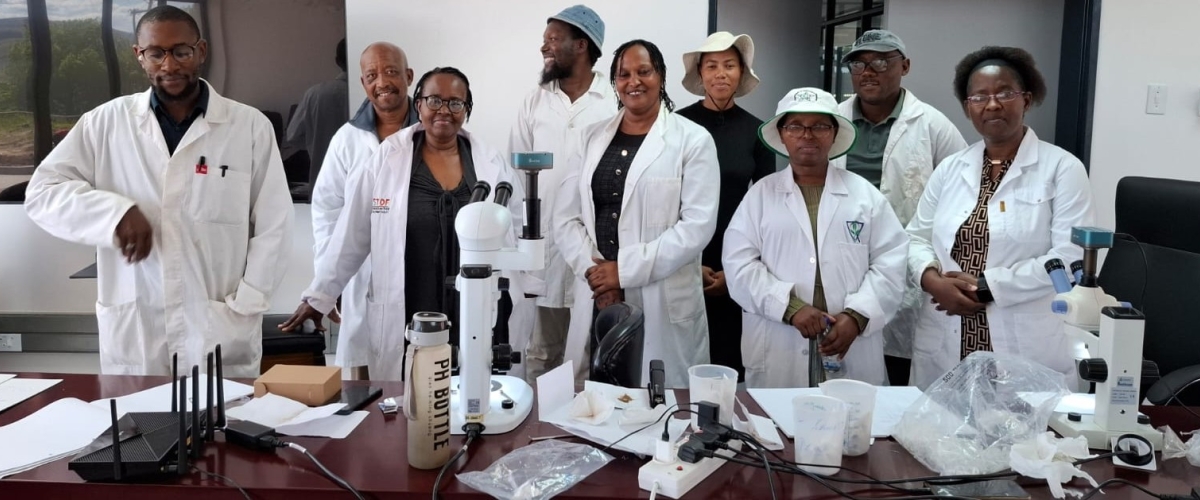
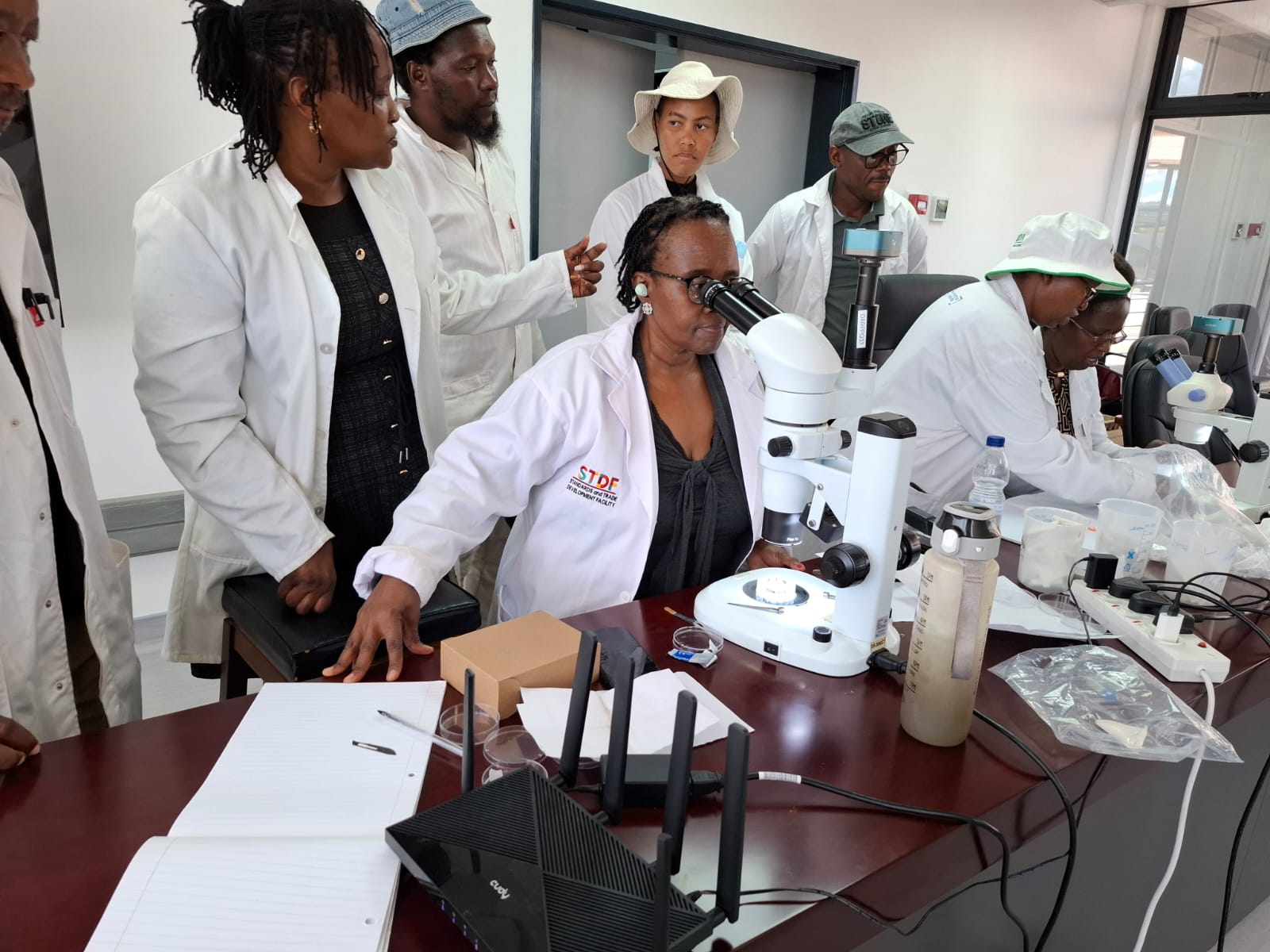
A training session on the detection and identification of PCN was conducted, led by an expert from ICIPE in Kenya. The purpose of this training was to enhance the skills of laboratory staff, inspectors, and other technical officers involved in these activities. Ten participants attended the training, including two officers from the Department of Crops and eight from DAR.
During the training, a Fenwick Can was used to extract cysts from soil debris, with sieves that effectively separated them. The collected cysts were then transferred to Petri dishes for selection and picking. Further analyses will be carried out to confirm the presence or absence of PCN in Lesotho.
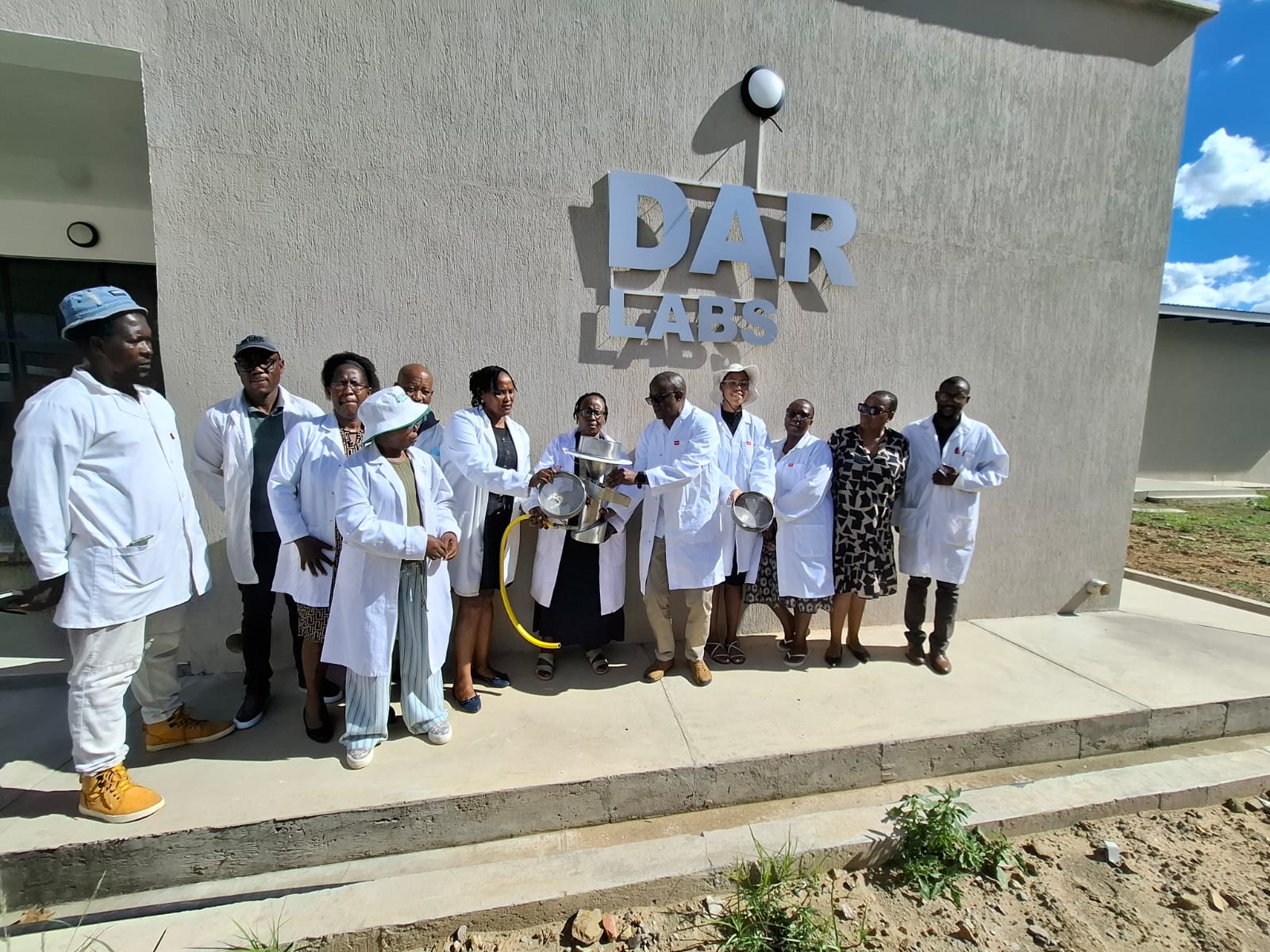
The training concluded with the handover of the Fenwick Can equipment to the DAR Management, which had been procured as part of the project package.
Samples of intact and sealed cysts have been transported to Kenya for further laboratory diagnostics, including molecular testing.
It is crucial to conduct nationwide surveillance to ascertain if there is PCN in Lesotho. This will help strengthen the regulatory framework for the protection and management of PCN.
The authors are officers at the Department of Agricultural Research (DAR) and the Department of Crop Services at the MAFSN in Lesotho.