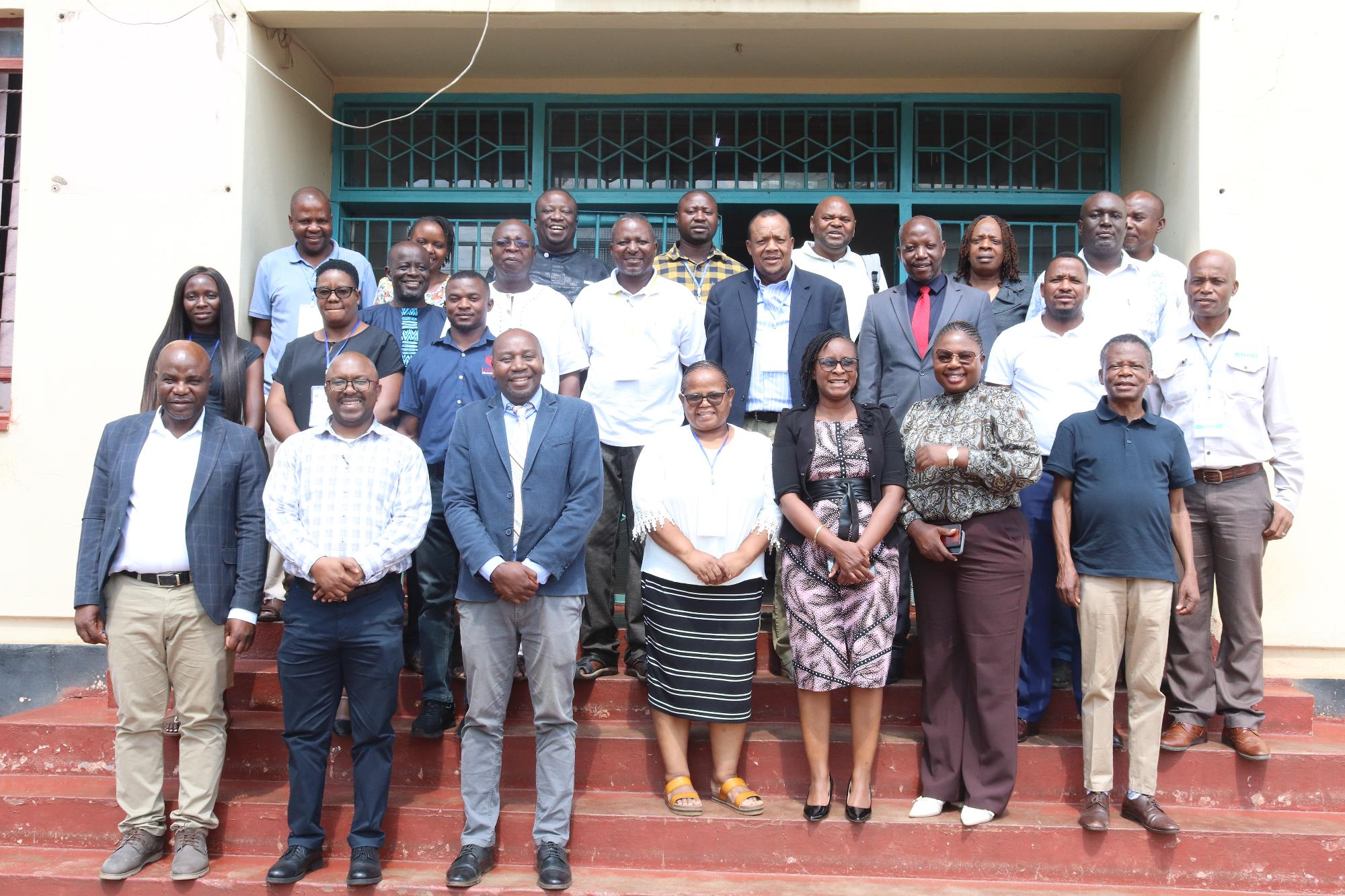
The Centre for Coordination of Agricultural Research and Development for Southern Africa (CCARDESA), through the World Bank-supported Food Systems Resilience Programme (FSRP), facilitated a five-day technical learning visit to Zambia for delegates from Botswana and Namibia from 9–13 November 2026. The initiative aimed to strengthen national capacities in seed variety testing, evaluation and release, while promoting regional harmonisation of seed regulatory systems.
The learning visit provided a platform for knowledge exchange and practical learning on Zambia's seed variety release procedures, institutional arrangements and regulatory frameworks. The initiative forms part of CCARDESA's efforts to strengthen regional seed systems, improve access to quality and climate-resilient crop varieties, and enhance agricultural productivity and food security across Southern Africa.
Strengthening Technical Capacities in Seed Variety Testing
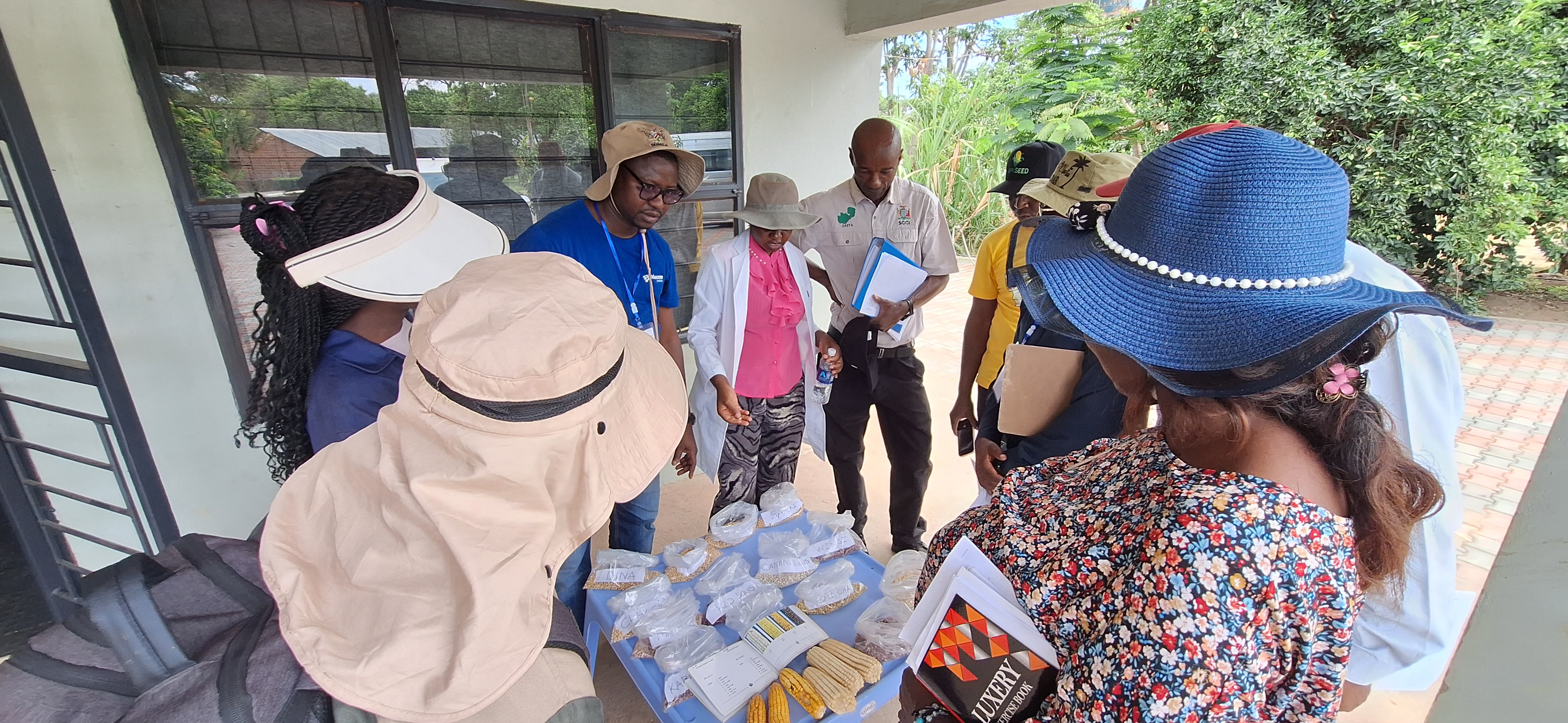
During the visit, delegates participated in technical sessions focusing on Distinctness, Uniformity and Stability (DUS) testing and Value for Cultivation and Use (VCU) assessment. These procedures are essential in determining the suitability of new crop varieties for registration and release.
The training covered field trial design, data collection, varietal characterisation, statistical analysis and reporting. Participants explored testing methodologies for several crops, including maize, wheat, rice, Irish potatoes, soybeans and cowpeas.
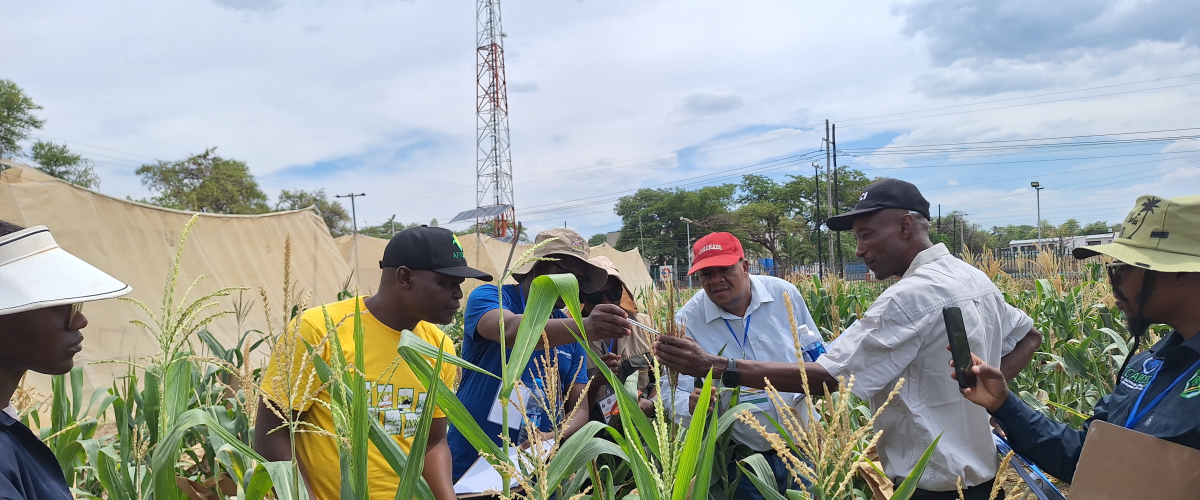
A key highlight was the practical field training conducted at Afriseed Farm, where delegates gained hands on experience in measuring and recording varietal characteristics. The practical sessions reinforced the technical knowledge acquired during classroom discussions and demonstrated the application of standardised variety evaluation procedures.
Learning from Zambia's Variety Release System
The programme also exposed participants to Zambia's institutional and regulatory arrangements governing seed variety release, including Plant Breeders' Rights and the establishment and functions of the Variety Release Committee (VRC).
On the last day of the programme, delegates attended a Variety Release Committee meeting as observers where they had an opportunity to understand the technical and institutional processes involved in evaluating and approving new crop varieties.
This experience provided useful lessons for Botswana and Namibia as they seek to strengthen their respective variety release systems and improve the efficiency and transparency of regulatory processes in their respective countries.
Advancing Regional Seed Harmonisation
As part of the programme, delegates also visited the SADC Seed Centre where they were introduced to regional variety release procedures and the importance of harmonised seed regulations in facilitating cross-border seed trade. Regional harmonisation is critical to reducing regulatory barriers, improving access to improved crop varieties and supporting the development of an integrated regional seed market.
Through the FSRP, CCARDESA continues to promote regional cooperation, knowledge sharing and institutional capacity development to support more efficient and resilient agricultural systems.
Contributing to Food Systems Resilience
Strengthening seed variety testing and release systems is an important step towards ensuring that farmers have timely access to improved, high-yielding and climate-resilient crop varieties.
The knowledge and practical experience gained by delegates from Botswana and Namibia are expected to inform improvements in national seed regulatory procedures and strengthen alignment with regional seed harmonisation initiatives.
Through initiatives such as this technical learning visit, CCARDESA, under the FSRP, is contributing to stronger regional seed systems, enhanced institutional collaboration and improved access to agricultural technologies that support food security and resilience across the SADC region.