Photos: NARDI
The Centre for Coordination of Agricultural Research and Development for Southern Africa (CCARDESA) has taken a major step towards transforming agricultural advisory services in the region by supporting Botswana’s National Agricultural Research and Development Institute (NARDI) to strengthen its digital extension capacity.
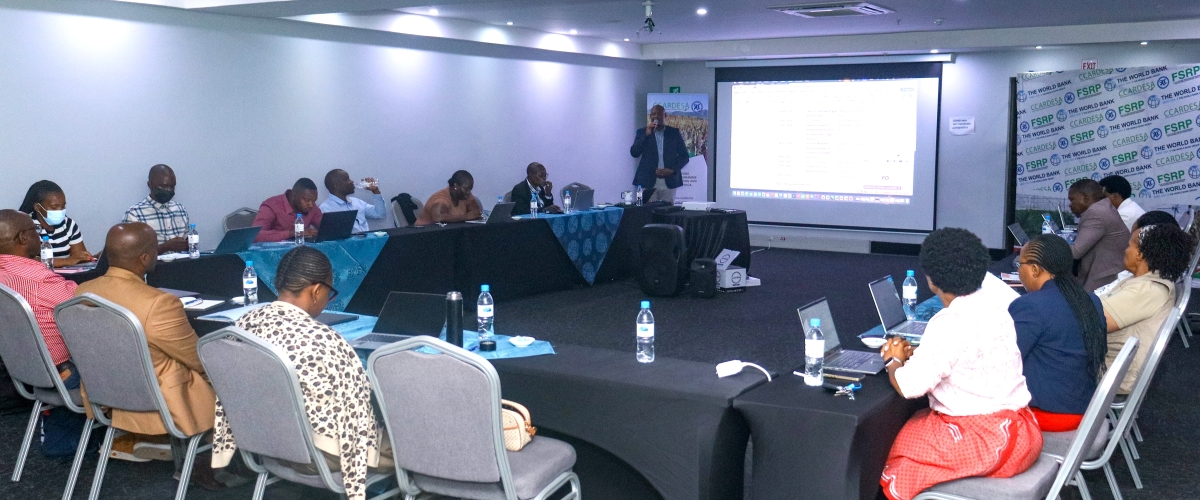
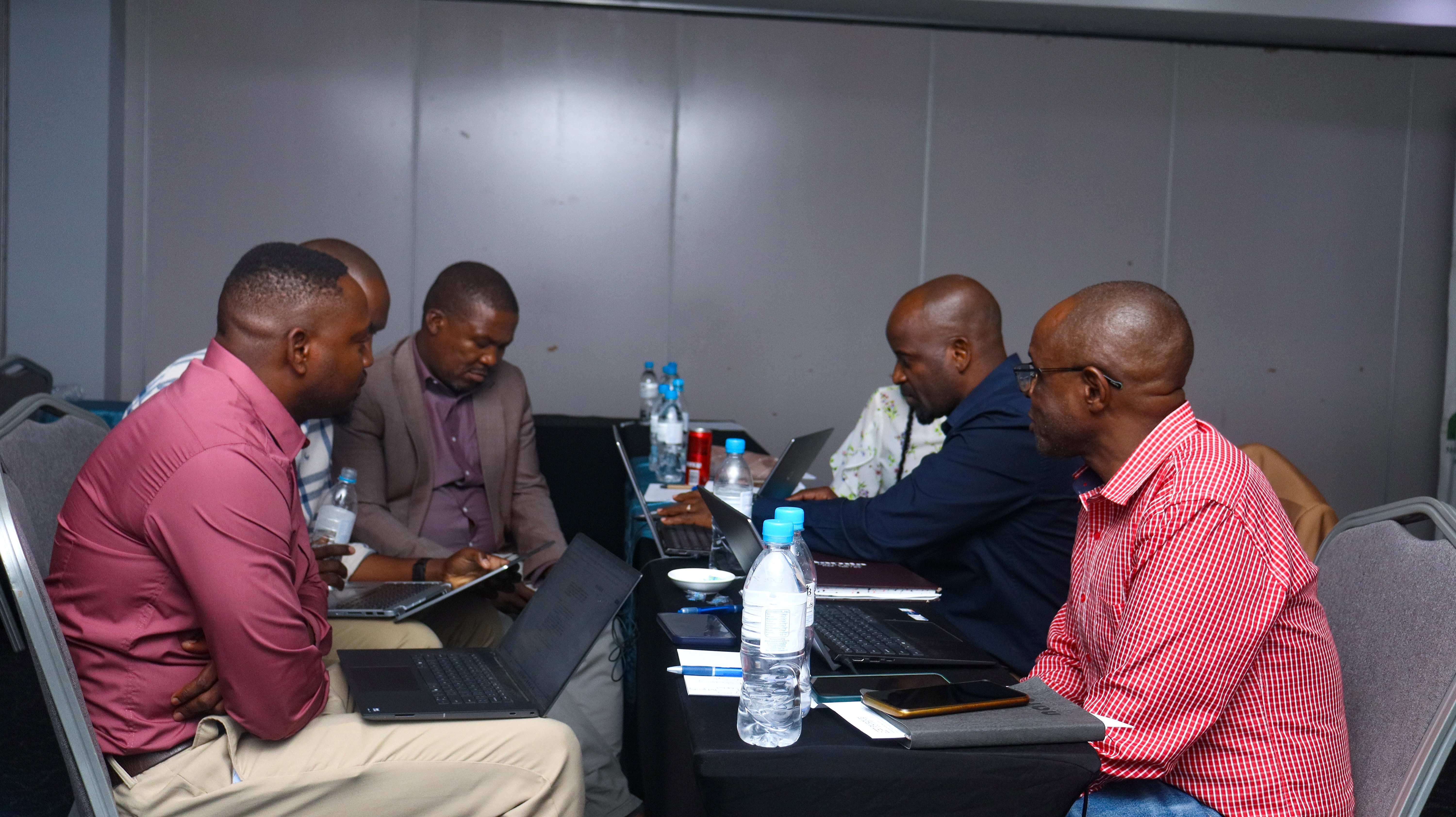
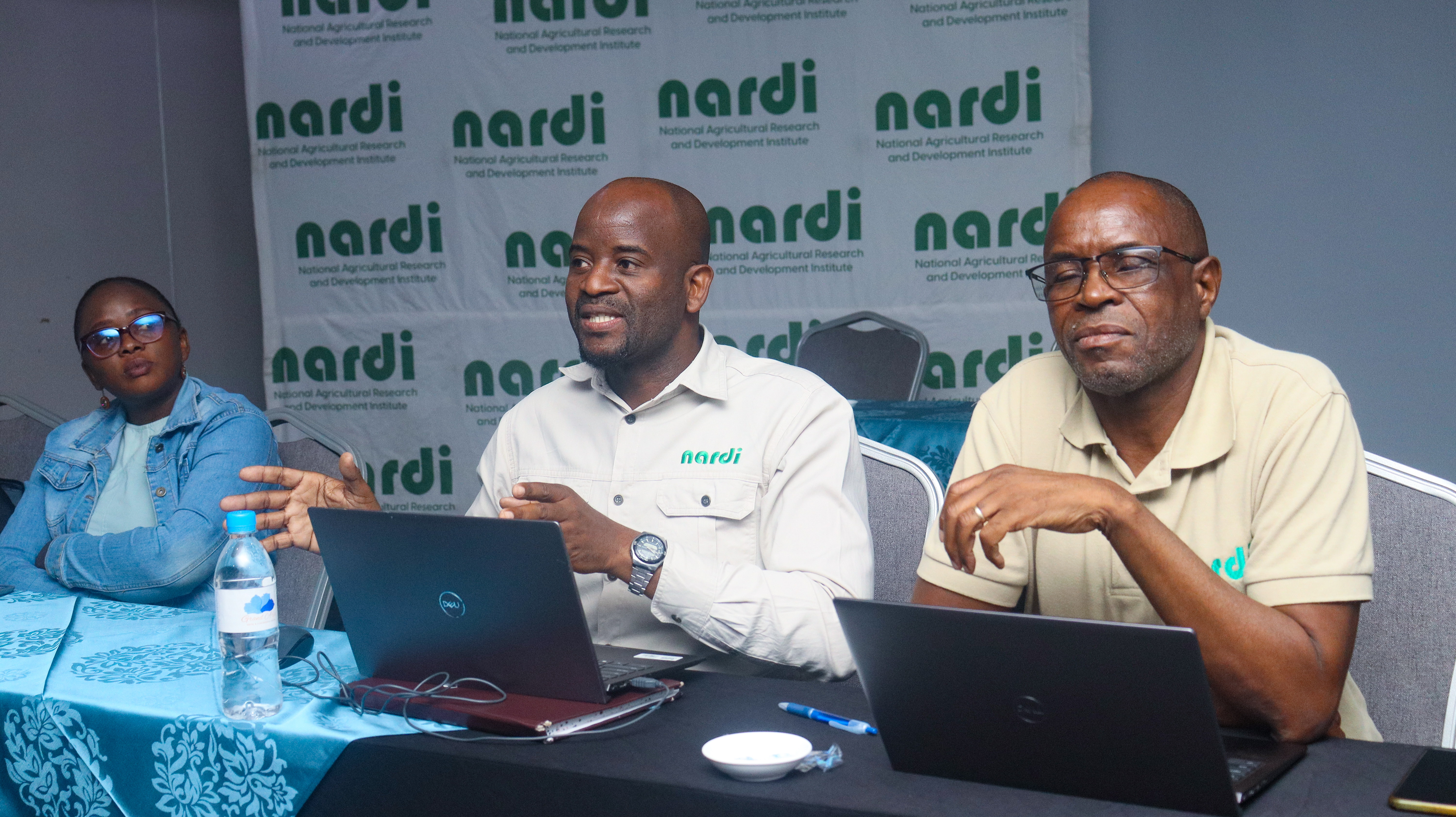
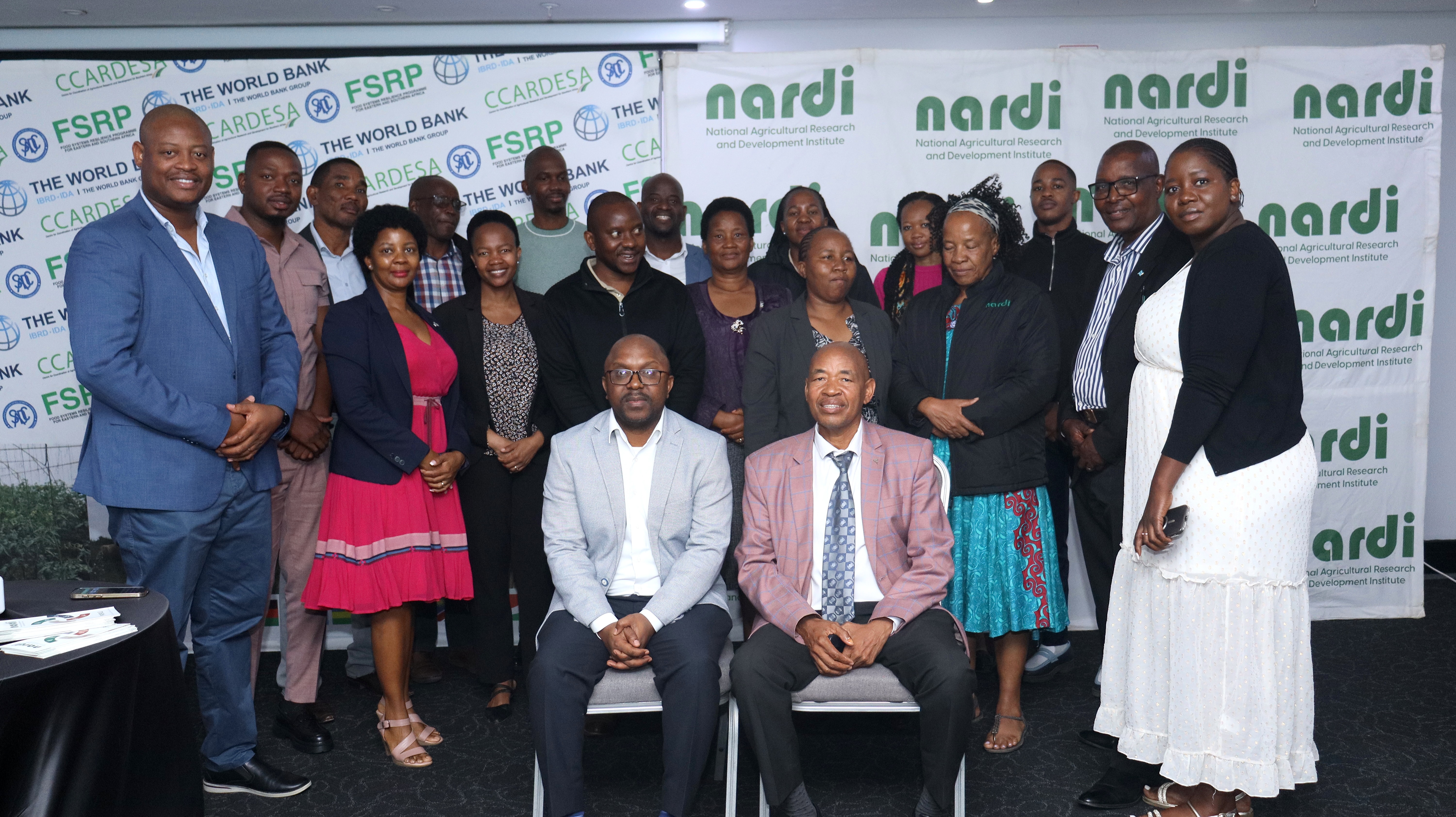
Through the World Bank–funded Food Systems Resilience Programme (FSRP), CCARDESA facilitated a three-day training workshop on Scientific Animations Without Borders (SAWBO) from 22nd to 24th October 2025 in Gaborone. The event brought together more than 20 NARDI officials to build practical skills in translating agricultural research and innovations into engaging digital content that farmers can easily understand and apply.
 |  | 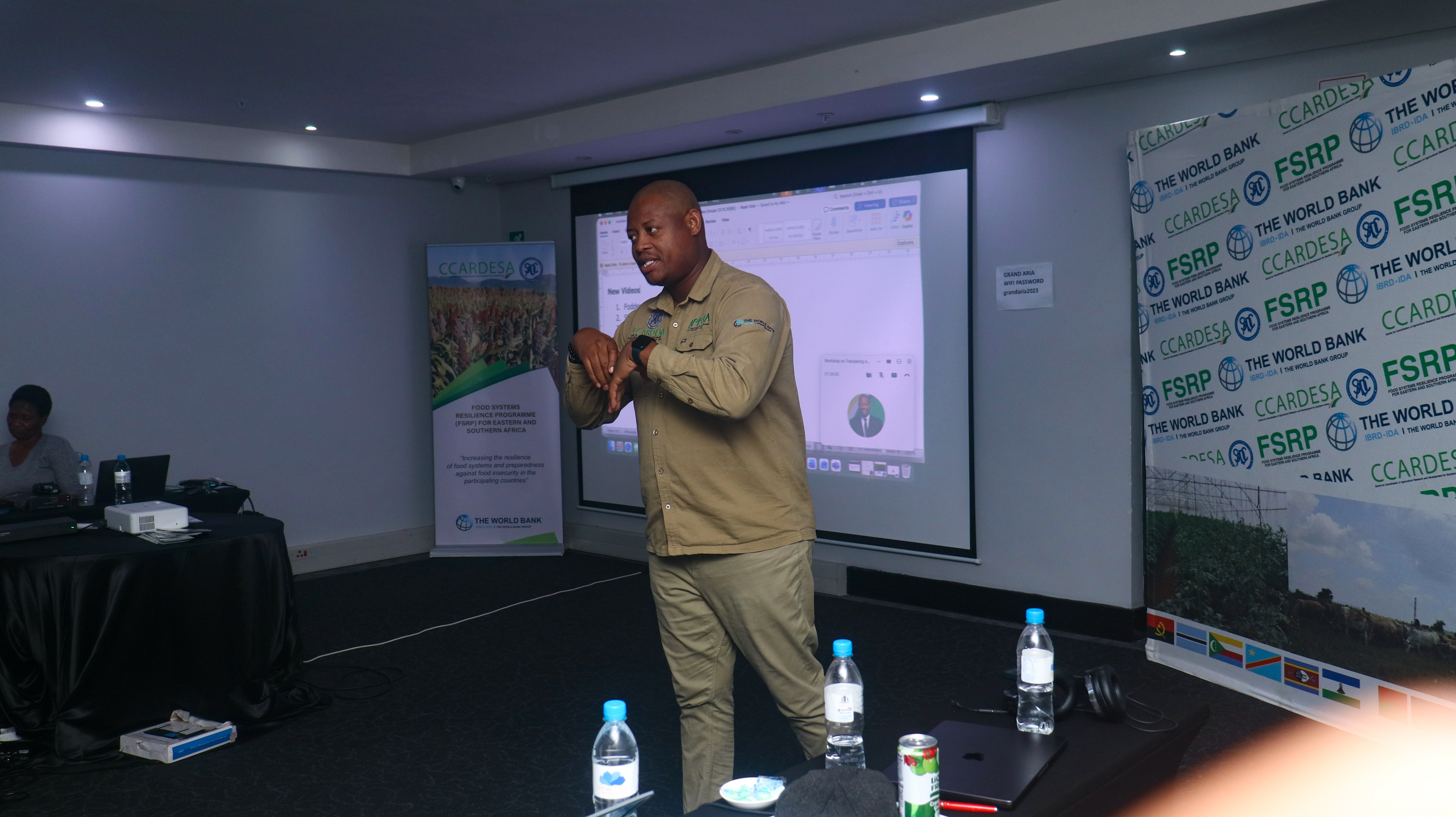 |
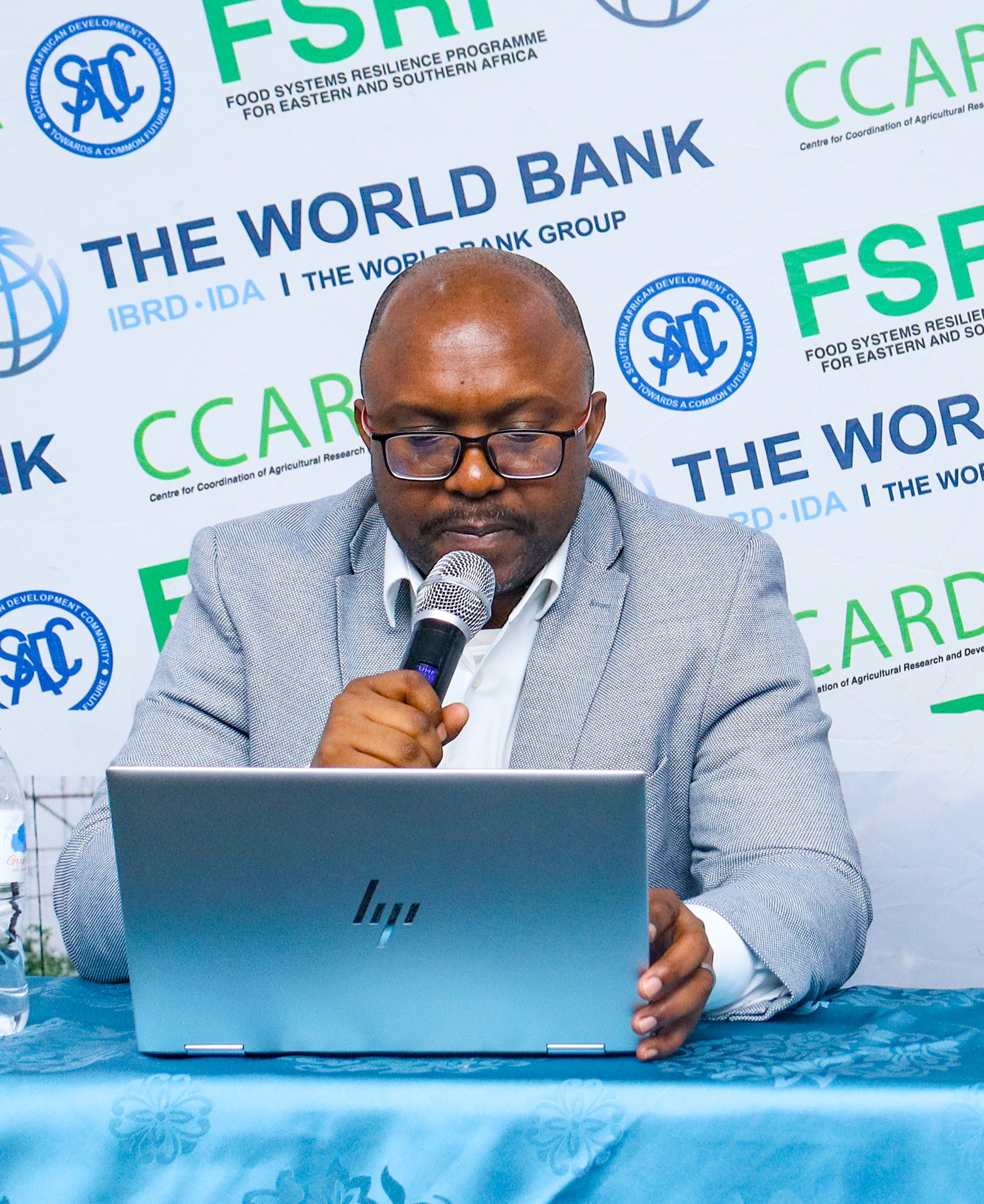
In his opening remarks, Dr. Majola L. Mabuza, CCARDESA’s Special Programmes Coordinator for FSRP, said the training marked an important step in bridging the gap between research institutions and the farming community.
“Too often, valuable scientific information remains confined to reports and journals, while the end users, the farmers, extension workers, and rural entrepreneurs, struggle to access or understand it,” Dr. Mabuza said. “By using animation and local languages, we make agricultural knowledge more inclusive, accessible, and impactful.”
The SAWBO initiative, based at Purdue University in the United States, produces animated educational videos covering topics such as climate-smart agriculture, pest management, and women’s empowerment. These animations are designed to overcome literacy barriers through localized voiceovers and compelling visuals, a method proven to increase learning retention and adoption of improved practices.
Speaking in a virtual address, Dr. Barry Pittendrigh, Professor at Purdue University and Co-Director of SAWBO, commended CCARDESA and NARDI for their leadership and collaboration.
“The intent of the SAWBO initiative is to develop strategies for e-extension where we can share agricultural knowledge globally,” he said. “We’ve spent the past 15 years developing freely available content and scaling systems that make it easy for partners like NARDI to adapt and distribute these materials in their local languages. By placing content into formats that matter for Botswana, we can facilitate easy access, scaling, and real impact through digital extension.”
For Botswana, the collaboration comes at a timely moment. NARDI Chief Executive Officer, Professor Julius Atlhopheng, noted that the initiative aligns with the ongoing review of Botswana’s 1991 National Agricultural Policy and supports the government’s digital transformation and youth employment agenda.
“Digitalization enables the dissemination of relevant, scientifically backed information that can improve livelihoods and create new opportunities,” he said. “This partnership strengthens NARDI’s mission to make agricultural knowledge more accessible and timely for farmers across the country.”
 |  |  |
During the workshop, NARDI staff reviewed SAWBO’s animation library and identified materials for translation into Setswana and Ikalanga. They also outlined plans to develop new content tailored to Botswana’s agricultural priorities. Local voice recordings and co-branded videos will soon form part of NARDI’s digital extension portfolio, enhancing the reach and effectiveness of extension services.
Across Sub-Saharan Africa, digital tools are revolutionizing how farmers access agricultural information. With one extension worker often serving 2,000–3,000 farmers, traditional systems are under pressure. Digital platforms, through mobile phones, radio, and interactive media, offer a scalable way to reach more people, faster and at a lower cost. Research shows that digital advisory programmes in East Africa have increased the adoption of improved practices by 4–10 percentage, while boosting farm incomes by 5–15 percent. In Botswana, where one extension agent serves around 300 farmers, digital platforms could help reclaim up to 80 percent of the agents’ time currently spent on logistics, allowing them to focus on technical support and field engagement.Dr. Mabuza emphasized that digital systems complement rather than replace traditional extension methods. “Seeing is believing, and remembering,” he said, highlighting that people retain about 80 percent of what they see and do, compared to only 20 percent of what they hear. Localized video-based learning not only simplifies complex topics but also encourages peer learning and wider adoption.
The collaboration between CCARDESA, NARDI, and SAWBO reflects CCARDESA’s regional mandate under the FSRP to promote digital innovation and resilience in the agricultural sector. As mobile connectivity in Africa surpasses 500 million users and internet access expands to more than 43 percent of the population, the potential to reach millions of farmers with localized, evidence-based information is immense.
“Digital extension is not just a communication tool, it is a pathway to resilience,” Dr. Mabuza concluded. “By equipping national institutions like NARDI with the capacity to create digital content, we are helping ensure that farmers across the region have the knowledge they need to thrive in a changing climate and economy.”
Click the link below to read the story published by NARDI.