

Africa has invested considerably in agricultural research, generating improved technologies and innovations intended to transform food production. Yet an important question remains: who should determine Africa's agricultural research priorities: scientists, funding institutions or the farmers expected to use the technologies developed?
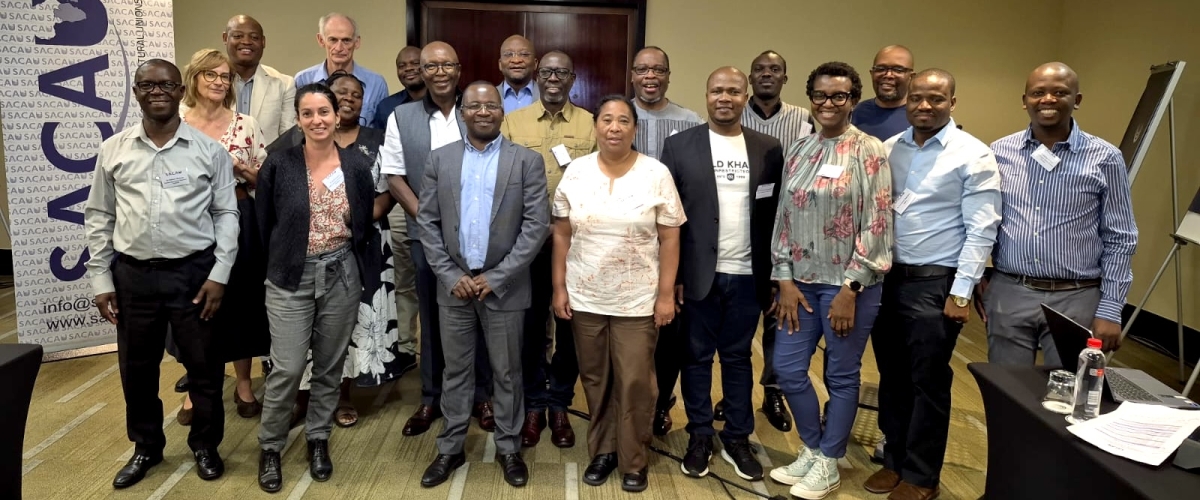
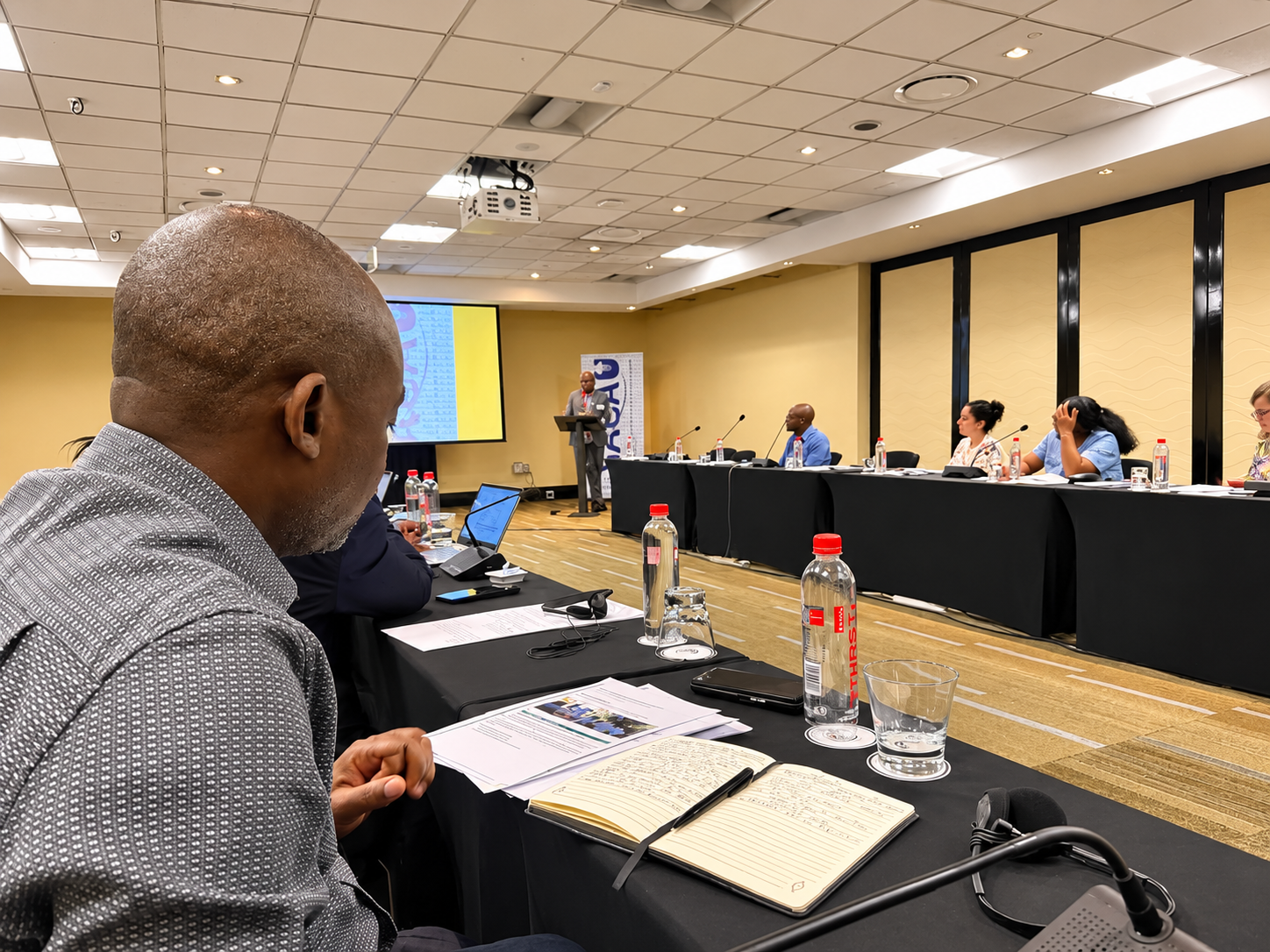
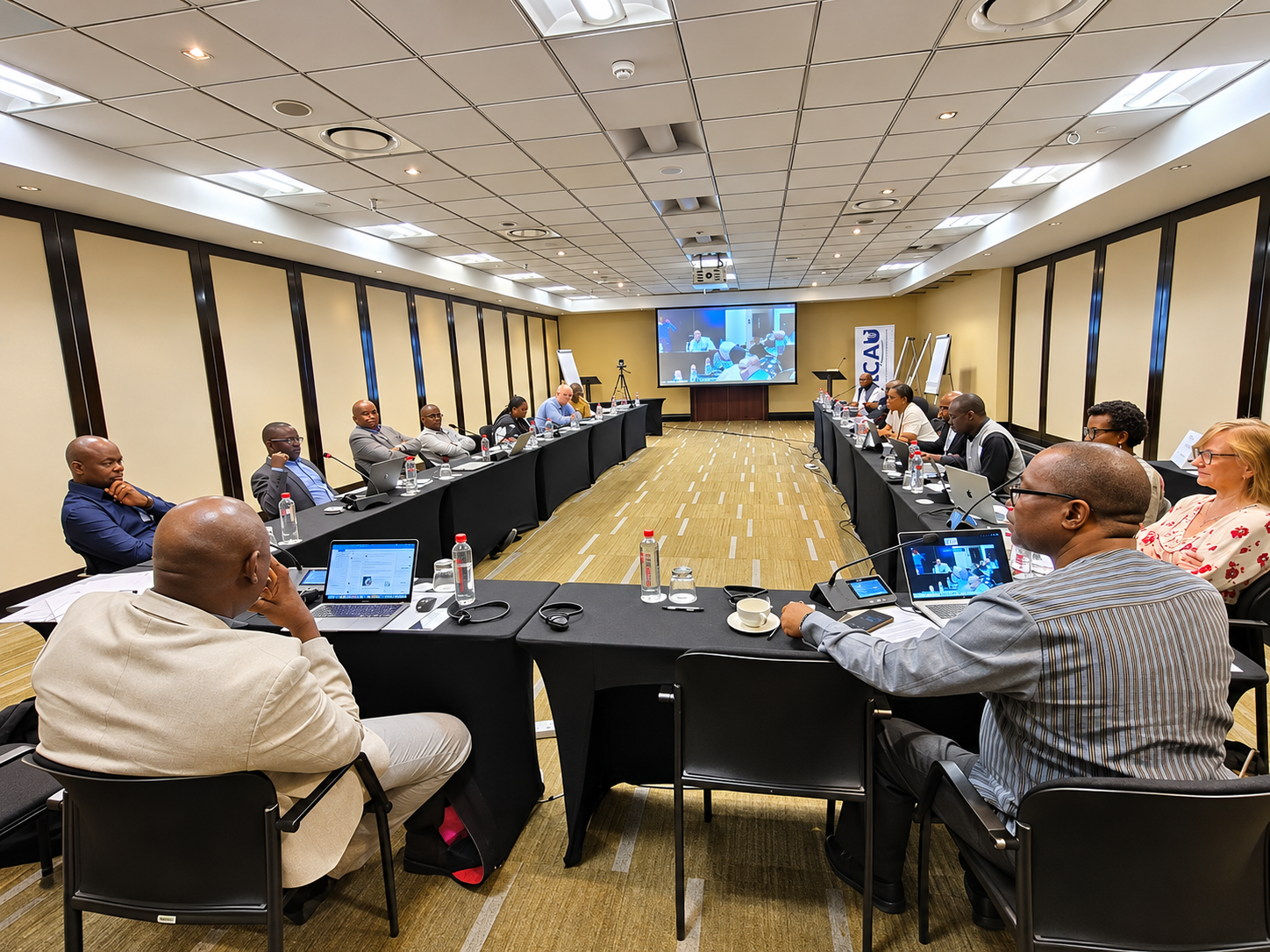
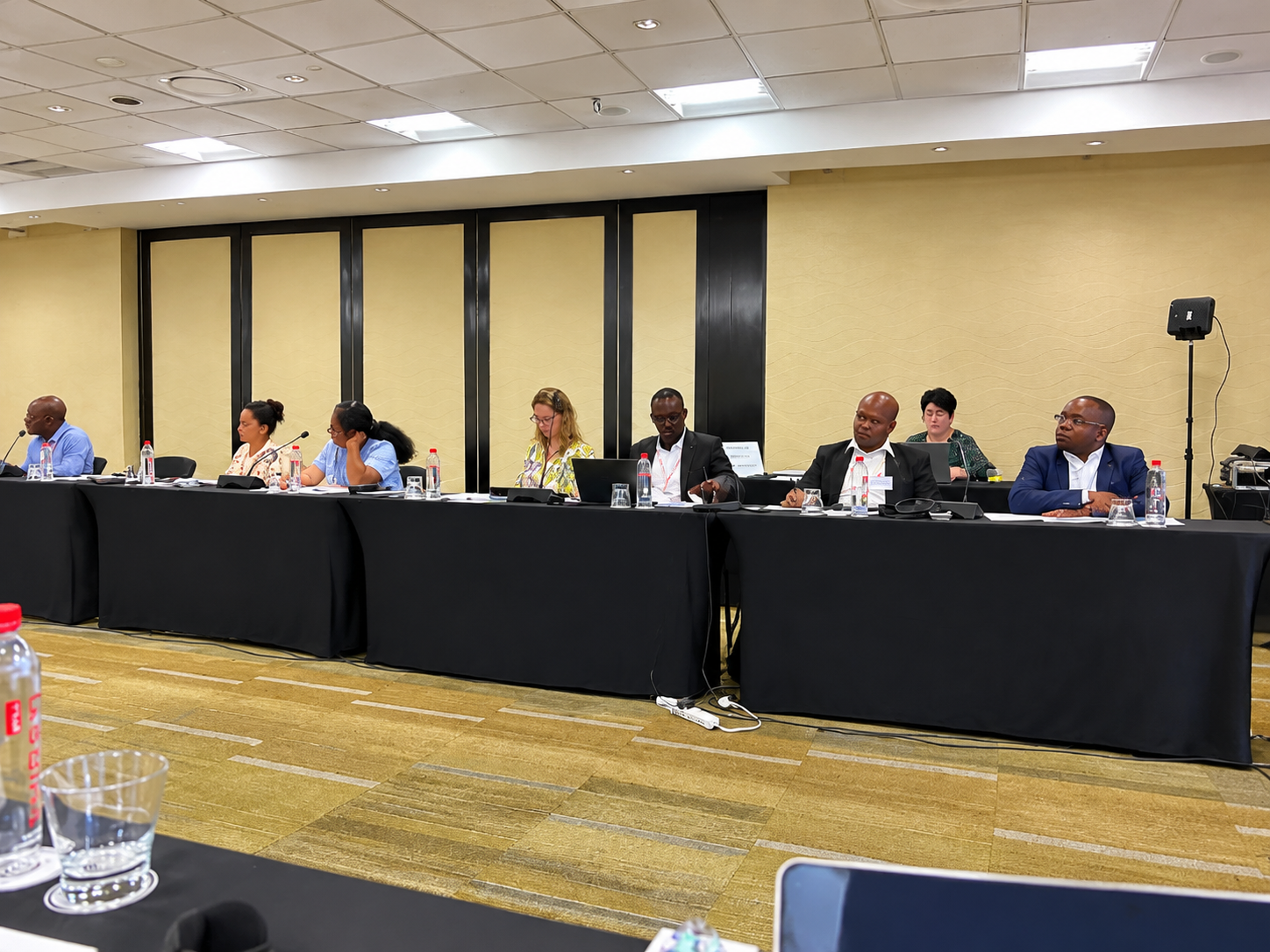
This question took centre stage at the African Farmer-Hosted Dialogue on Agricultural Research and Innovation, convened by the Southern African Confederation of Agricultural Unions (SACAU) and AgriCord in Johannesburg, South Africa, from 29 to 30 October 2026. Held under the theme “Research, Differently: From Research on Farmers to Research with Farmers,” the event brought together farmers' organisations, researchers and development partners to explore how agricultural research can become more inclusive, relevant and responsive to farming communities.
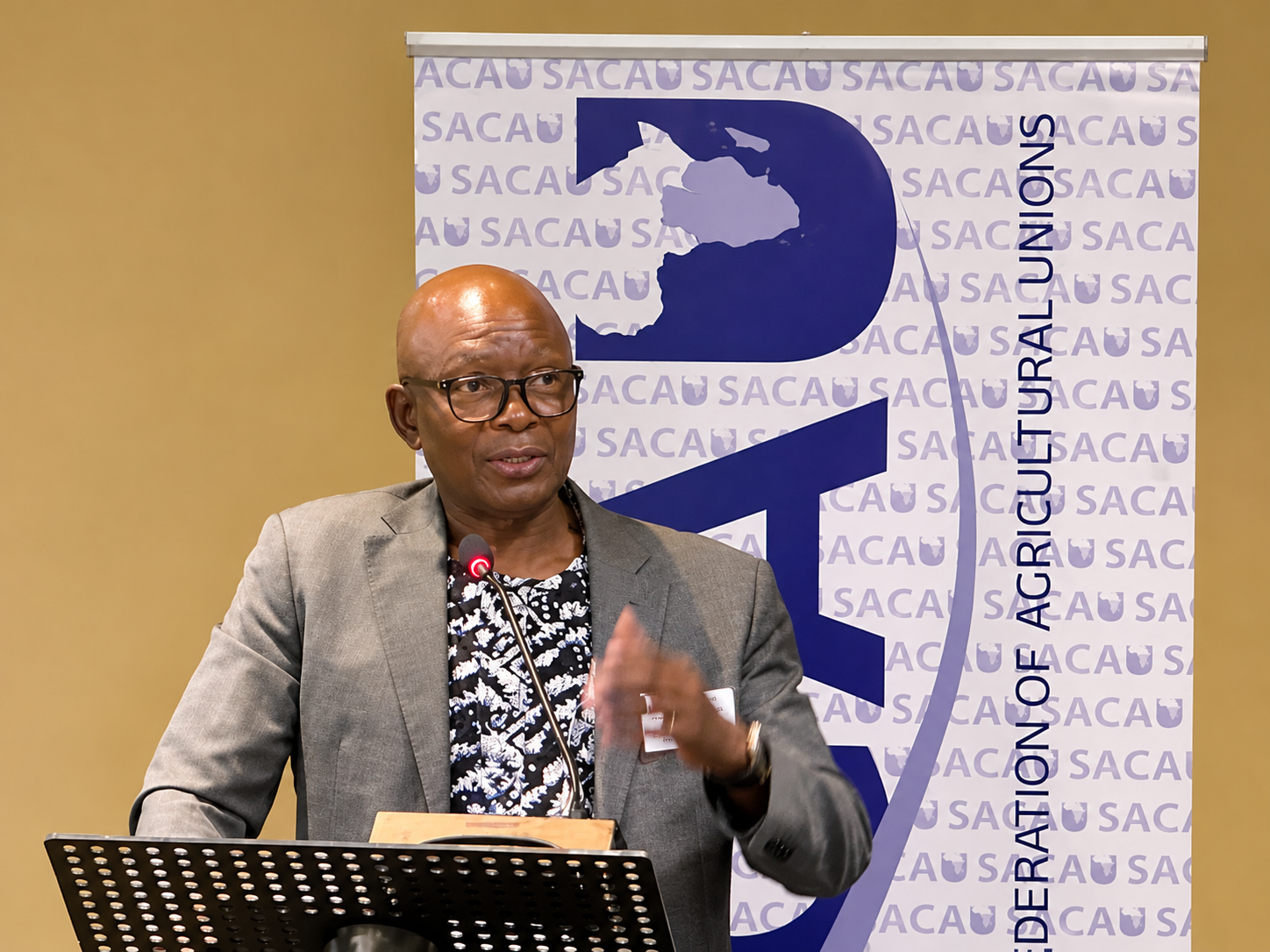 |  |  |  |
Setting the tone for the discussions, SACAU’s Chief Executive Officer, Mr Ishmael Sunga challenged conventional research approaches in which farmers are frequently consulted but have limited influence over decisions that shape research priorities. He observed that farmers are too often treated as “invitees rather than agenda-setters,” underscoring the need to recognise them and their organisations as partners in generating knowledge and developing agricultural innovations.
Ms Katja Vuori of AgriCord reinforced the importance of transforming relationships between farmers, researchers and funding institutions. Drawing on experiences from the Farmer-led Research and Innovation in Agroecology (FORI) programme, she highlighted the need to move beyond consultation towards genuine collaboration, where farmers' organisations have greater influence over research decisions, resources and the use of results. Such a shift requires mutual trust, institutional commitment and recognition of the valuable knowledge farmers have developed through practical experience.
Contributing a continental perspective, Professor Oluwole Fatunbi of the Forum for Agricultural Research in Africa (FARA) drew attention to the persistent gap between technologies developed by research institutions and their actual adoption by farmers. He emphasised that research must begin with clearly identified farmer needs and that agricultural innovation platforms can bring together researchers, farmers, policymakers and market actors to develop practical solutions. Professor Joachim von Braun of the University of Bonn also contributed to the dialogue emphasising that developing new technologies is not enough. Their real value lies in practical application and the benefits they generate for farmers and society.
The Centre for Coordination of Agricultural Research and Development for Southern Africa (CCARDESA), invited to contribute to the dialogue, shared experiences from its work of coordinating agricultural research and innovation across the Southern African Development Community (SADC) region.
Through the World Bank funded Agricultural Productivity Programme for Southern Africa (APPSA), CCARDESA coordinated the generation of improved agricultural technologies across participating countries. Building on these investments, the ongoing Food Systems Resilience Programme (FSRP) includes efforts to promote their dissemination and use through strengthened extension services, knowledge sharing and innovative digital advisory approaches.
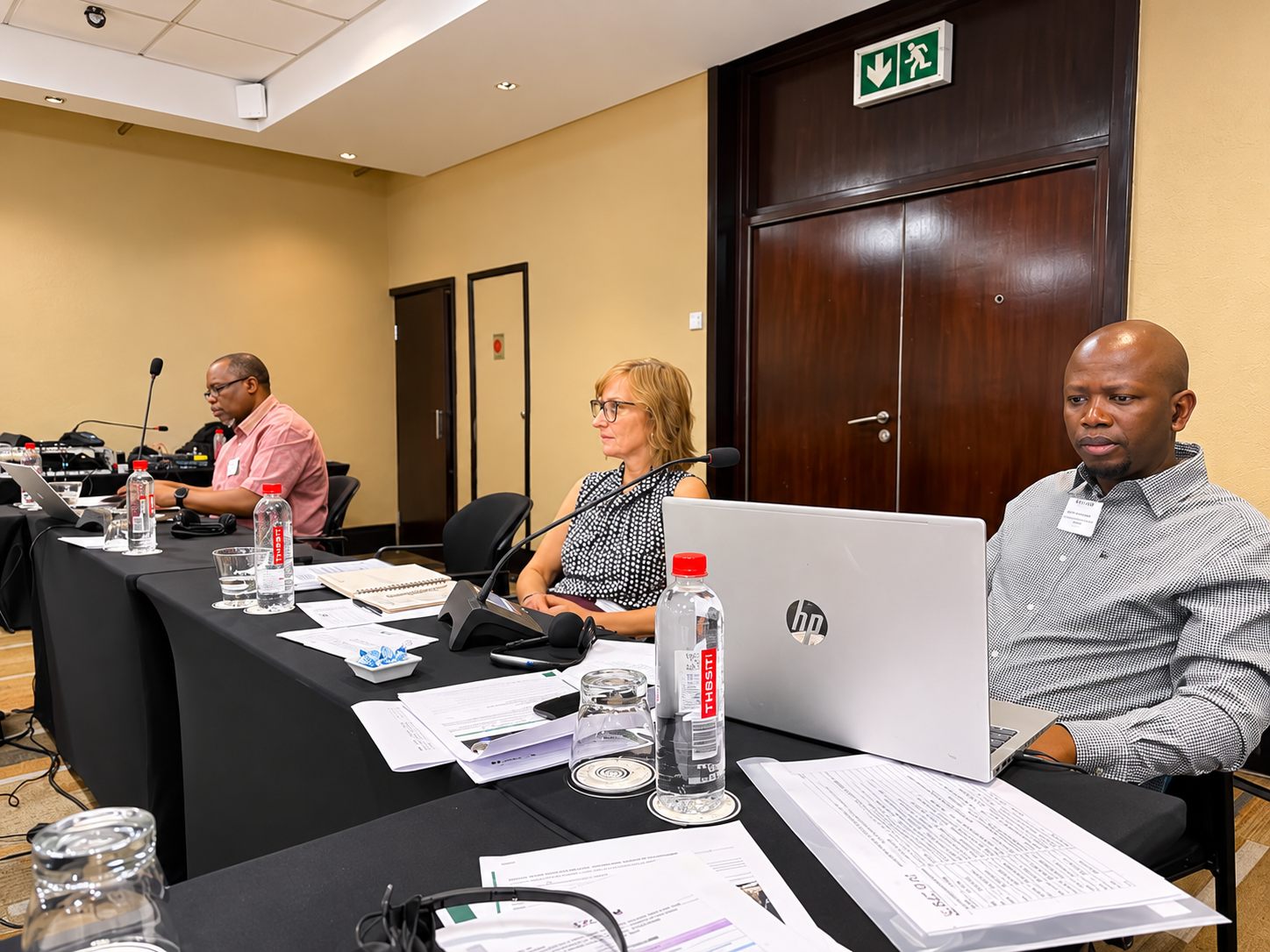 |  |  |
Speaking on behalf of CCARDESA's Acting Executive Director, Mr Sostino Mocumbe cautioned that generating technologies and promoting their adoption may not be enough if farmers' circumstances and consumer preferences are overlooked. Citing the experience of biofortified orange maize in Zimbabwe, where white maize remains strongly preferred for traditional foods, he illustrated how consumer acceptance can influence farmers' willingness to adopt an innovation. The example reinforced the importance of considering the entire agricultural value chain when setting research priorities, rather than focusing on the production part alone.
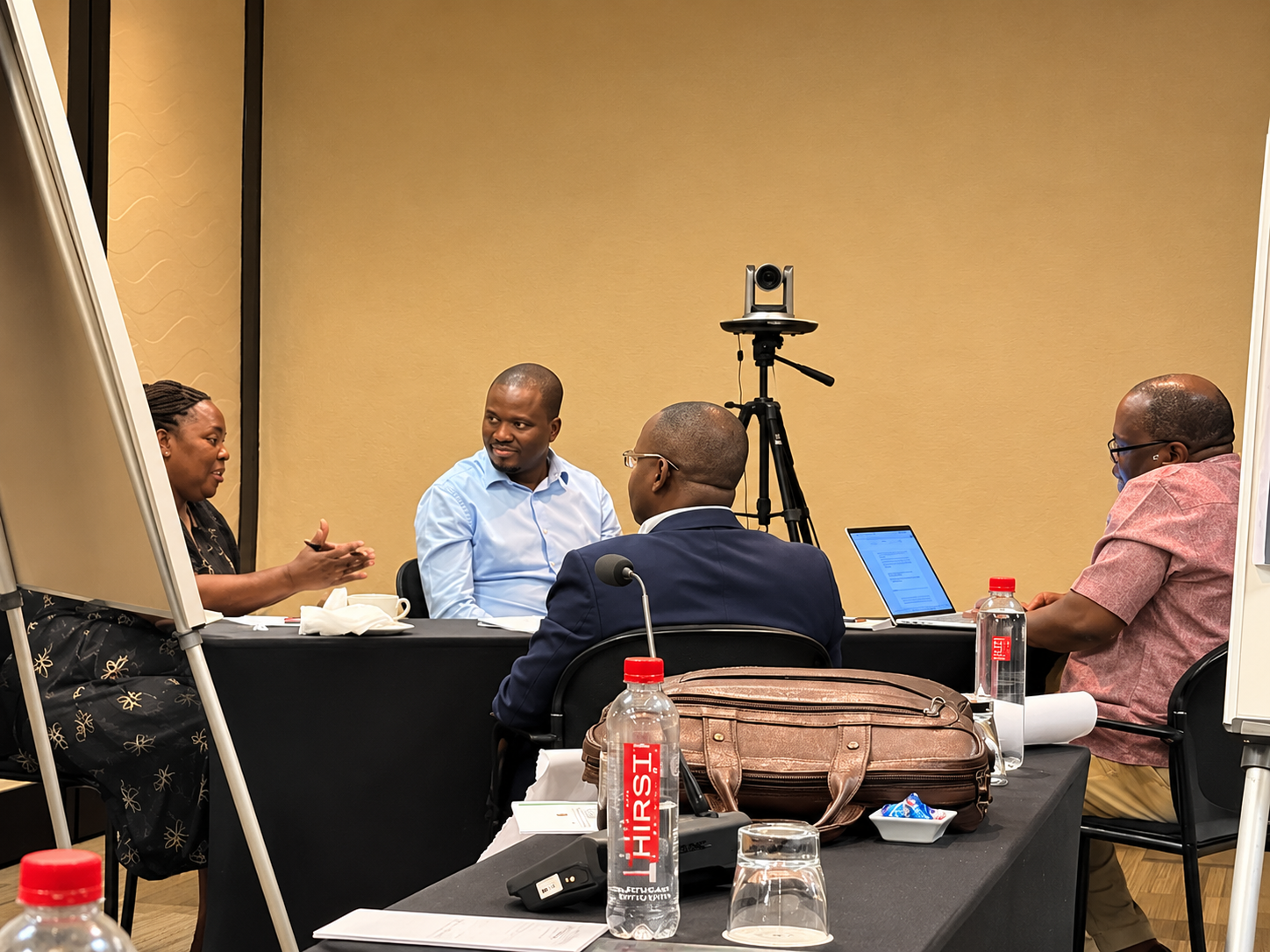
Across the discussions, participants explored the need to strengthen farmers' participation in research planning, improve collaboration between scientific and indigenous knowledge systems, and rethink funding arrangements that often leave farmers' organisations with limited influence. Attention was also given to measuring research success beyond scientific publications and technologies developed, with greater emphasis on adoption, profitability, resilience and improved livelihoods.
For CCARDESA, the dialogue highlighted the importance of strengthening collaboration through National Agricultural Research and Extension Systems (NARES), while ensuring that farmers, their organisations and other value chain actors have a meaningful voice in shaping research priorities.
The discussions pointed to a fundamental shift in how agricultural research should be approached in Africa: the measure of success is not simply how many technologies and innovations are developed, but whether those technologies and innovations respond to real needs, reach farmers and improve livelihoods.
Ultimately, moving from research on farmers to research with farmers requires more than changing research methods. It calls for partnerships that recognise farmers as knowledge holders, connect scientific innovation with market realities and ensure that research delivers tangible benefits to farming communities.