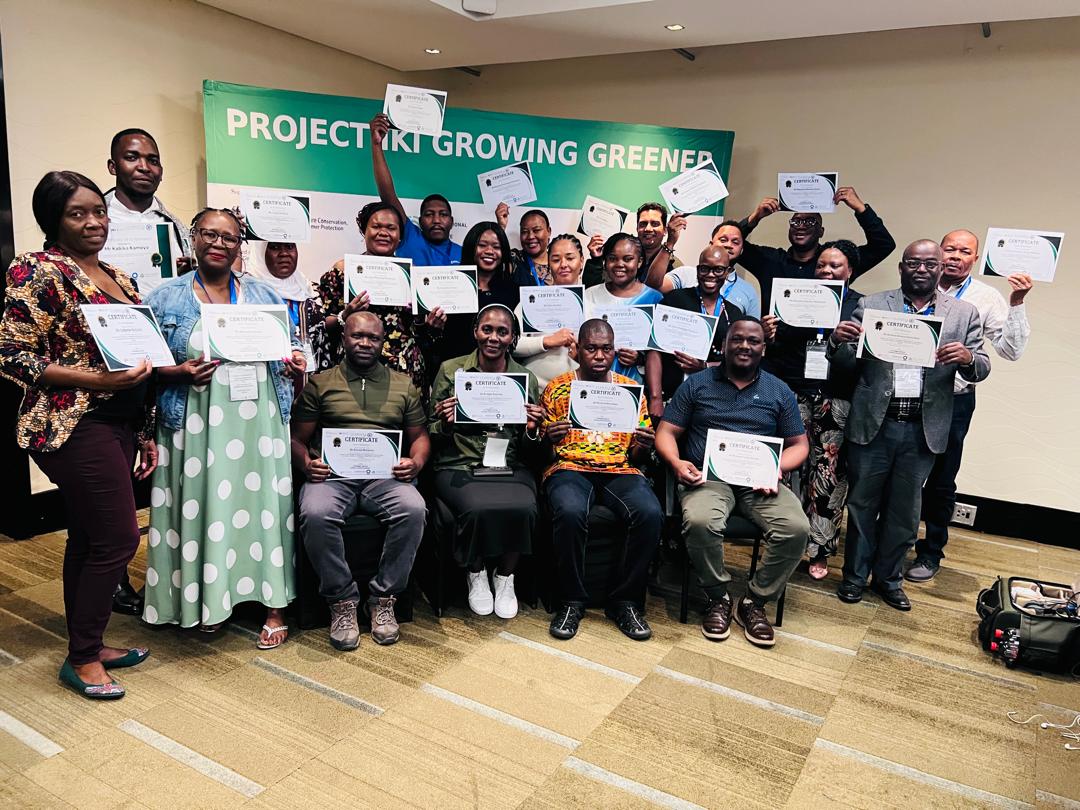

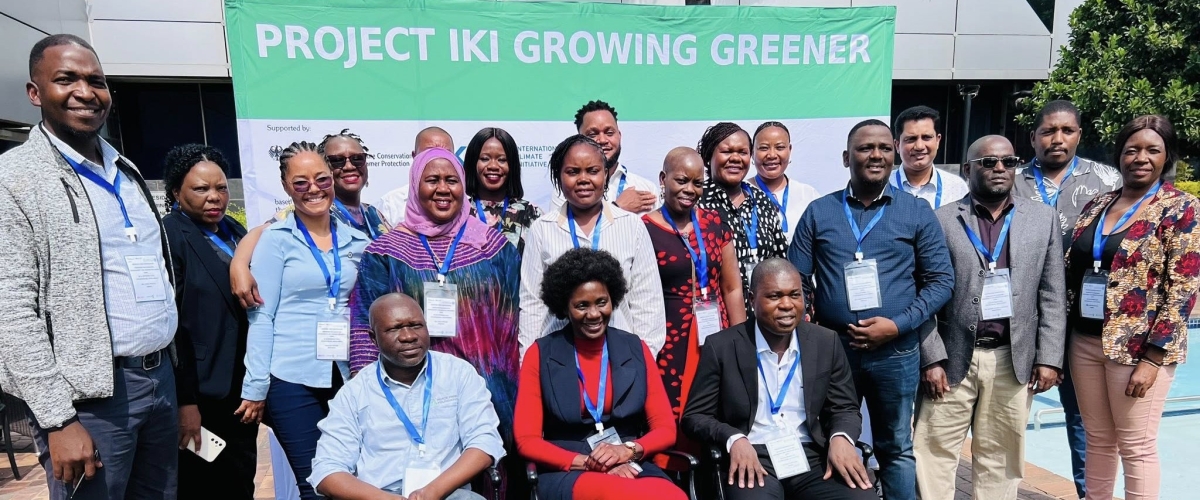
The workshop’s overall objective, as outlined by Ms. Kopo Letsebe, was to strengthen the capacity of CCARDESA’s Information, Communication, and Knowledge Management (ICKM) focal point persons drawn from eight countries. The sessions were designed to deepen understanding of rangeland management and Herding for Health concepts, including their impact on livelihoods, while also supporting the development of case studies and country action plans. Participants were further encouraged to sharpen their skills in capturing and sharing both local and scientific knowledge, and to reinforce regional collaboration through peer learning and exchange.
In his opening remarks, Dr. Steven Matema welcomed distinguished colleagues and partners, emphasizing that rangeland degradation remains a pressing challenge in Southern Africa, threatening livestock, biodiversity, and rural livelihoods. He pointed to the Growing Greener Project as a platform for demonstrating innovative solutions such as the H4H model, which enhances both land and livestock productivity while building climate resilience. “This workshop is not just about training,” he said. “It is a platform for creating a conducive learning environment where knowledge is shared and innovations are amplified.”
Ms. Bridget Kakuwa-Kasongamulilo, CCARDESA’s ICKM Manager, underscored the critical role of the focal point persons. She reminded participants that CCARDESA relies on them to share research, lessons, and information from their respective countries. “They are the legs, eyes, and hands of CCARDESA,” she emphasized, stressing their central role in ensuring that grassroots and national experiences are well documented and communicated at regional and continental levels.
Speaking on behalf of partners, Dr. Misheck Musokwa, Technical Advisor from GIZ, commended the collaboration and highlighted new opportunities for impact. He noted that GIZ looks forward to working more closely with the ICKM focal point persons and exploring ways to translate indigenous knowledge into research that can inform both policy and practice. His remarks underscored the importance of bridging traditional knowledge systems with formal scientific approaches under the Growing Greener initiative.
The technical programme featured presentations from Mr. Kabika Kumoyo and Ms. Catherine Mathatha of the Simalaha Conservancy in Zambia. Ms. Mathatha introduced participants to the Agri-Hub concept, explaining how it supports livelihoods by creating value from both fresh and dry crops. She showed how the Agri-Hub model reduces post-harvest losses while boosting incomes and economic empowerment in rural communities. Mr. Kumoyo complemented her by presenting on the Herding for Health concept, demonstrating how controlled rotational herding can improve livestock productivity and restore degraded rangelands. Their contributions offered participants practical field insights and bridged the gap between theory and real-life application.
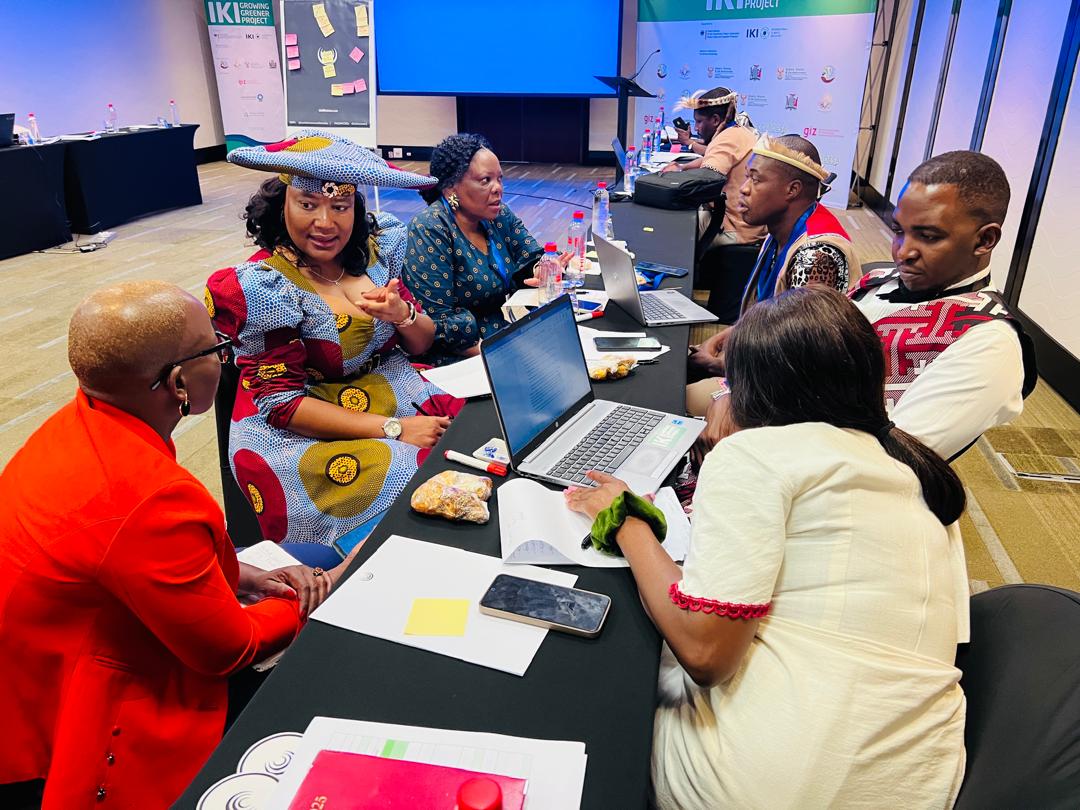

A particularly moving moment of the workshop came during a reflective session where ICKM focal point persons revisited their journey with CCARDESA since 2018. Through photographs and storytelling, they looked back at their early days—when many admitted knowing very little about knowledge management—and traced their transformation into skilled practitioners. They cited key milestones, including training in video production, gender mainstreaming, Web 2.0 tools, the Malabo CAADP processes, climate-smart agriculture, agroecology, and Scientific Animations Without Borders (SAWBO). This workshop built on those foundations, adding the Herding for Health concepts under the Growing Greener Project.
The focal point persons also presented their collective achievements from the past seven years and outlined ambitious action plans for the future. They demonstrated how they have grown into confident professionals who now document, package, and disseminate agricultural knowledge at both national and regional levels. Their forward-looking strategies focus on scaling up documentation of best practices, strengthening country networks, producing more knowledge products, and ensuring that lessons from projects such as Herding for Health are captured and shared widely across the SADC region.
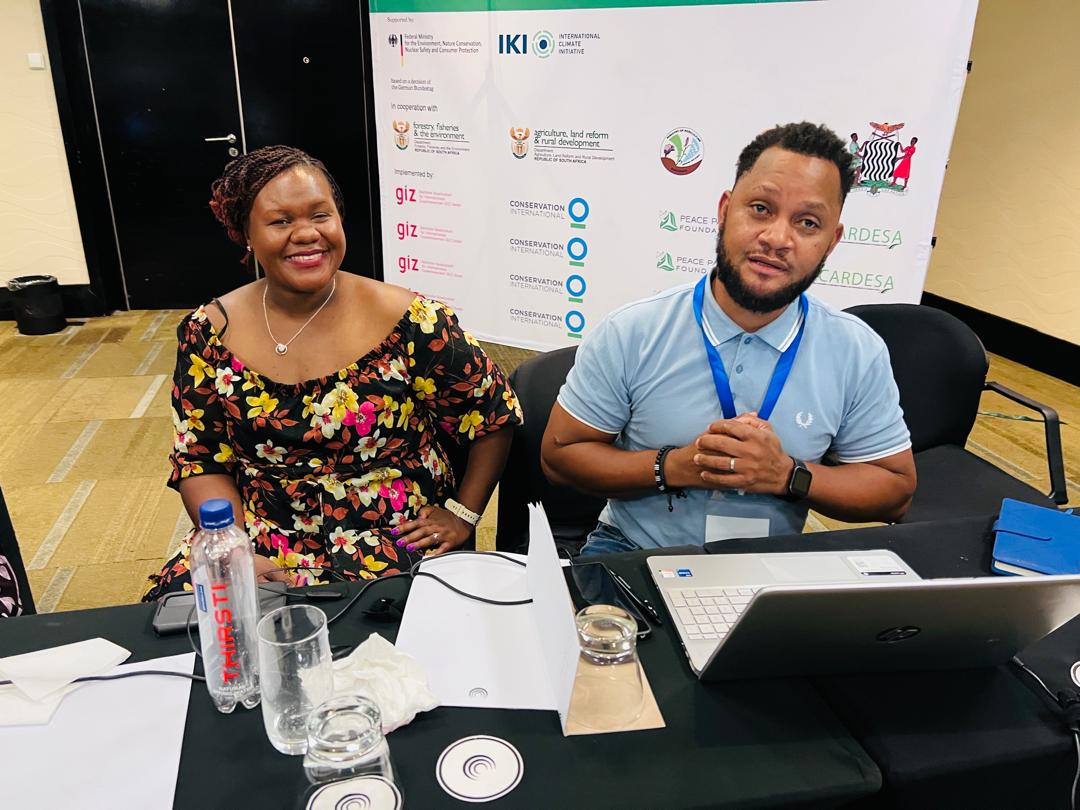
Participants shared positive reviews of the workshop. “The Herding for Health model is very promising for rangeland management. In Mozambique, managing rangelands is a big challenge, and it was eye-opening to see how this model could be applied,” said Carlos from Mozambique. Diana from Namibia described the model as “practical and doable”, adding that it could have a significant impact in her cattle-producing country. Hakunana, also from Namibia, was struck by the Agri-Hub, calling it “a strong tool for economic empowerment and improvement.” Others highlighted lessons for adaptation in their home contexts, from Lesotho’s holistic land management (Rethabile) to Mauritius’ need for value-chain integration (Mohun). For some, like Hector from Malawi, it was their first encounter with Herding for Health: “It was very informative, and I now have a better understanding of its potential,” he said. Vidah from Tanzania pointed to the importance of handling gender and cultural dynamics carefully, while Dorcas reflected on the realities of climate change: “When there is nothing left for animals to eat, what pastures do you give them?”
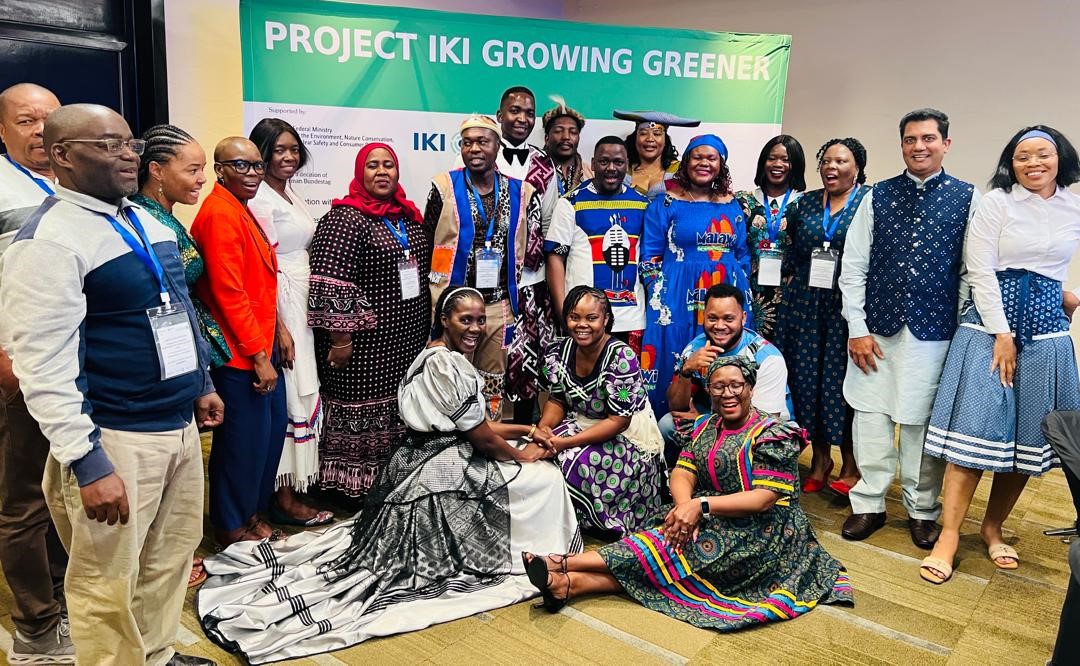
Adding a cultural touch, participants joined South Africa in celebrating Heritage Day on the sidelines of the workshop. Dressed in traditional attire, they transformed the event into a vibrant display of the region’s diversity. The colorful outfits and shared pride in cultural heritage made the day memorable, adding joy to the technical proceedings.
Closing the workshop, participants reflected on the importance of scaling up development through knowledge and communication. They emphasized that while scaling up in most development frameworks refers to expanding reach, deepening impact, and embedding interventions into policies, ICKM provides the essential mechanisms to make these aspirations a reality. Knowledge sharing enables replication, communication builds visibility and legitimacy, and information systems provide the evidence needed to secure institutional uptake. In initiatives such as IKI Growing Greener, knowledge products themselves, manuals, awareness campaigns, digital platforms, and toolkits are not just supportive tools but the very interventions that can be scaled across communities and countries.