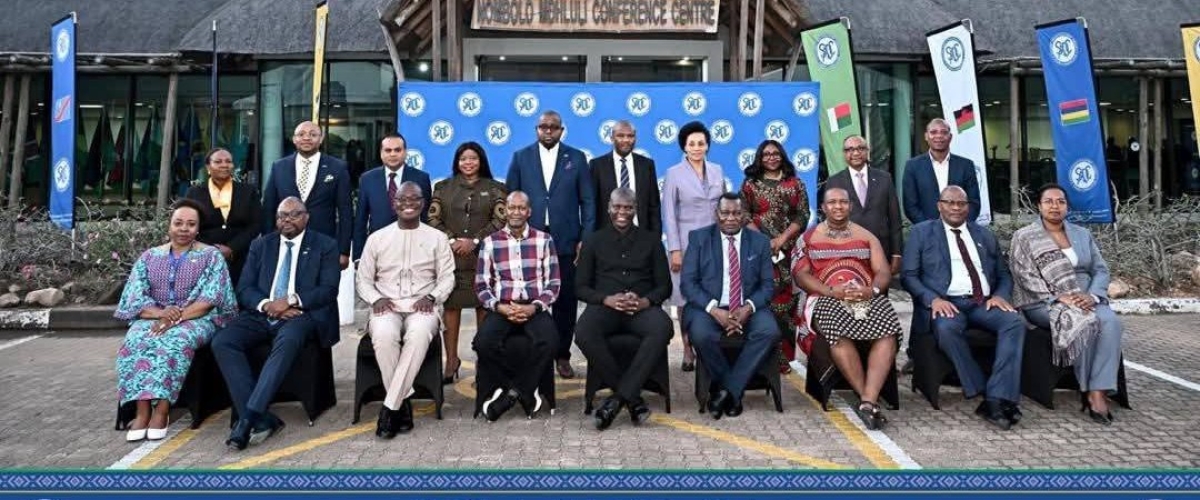
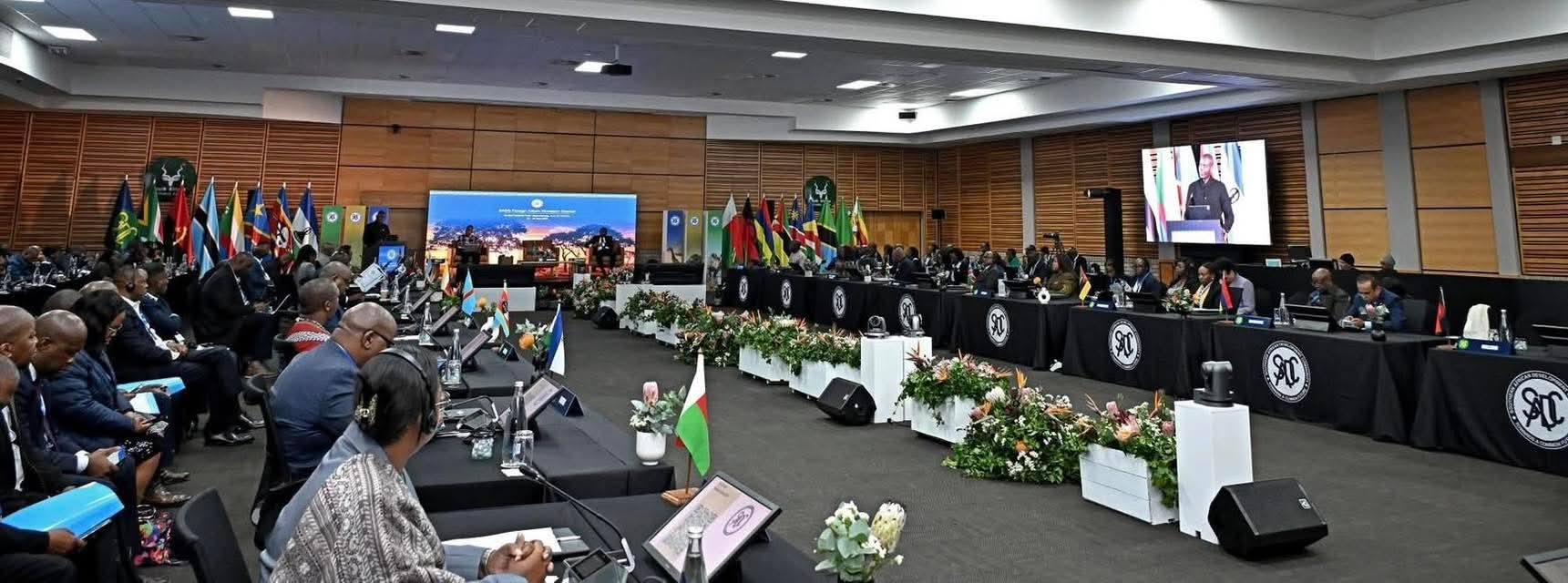
The Centre for Coordination of Agricultural Research and Development for Southern Africa (CCARDESA) contributed to high-level regional discussions on strengthening Southern Africa's resilience to global geopolitical shocks during the SADC Retreat of Ministers of Foreign Affairs held from 22–24 May 2026 in Skukuza, Kruger National Park, Mpumalanga Province, South Africa.
The retreat was convened by the SADC Secretariat to assess the implications of evolving global geopolitical developments on the region and to identify coordinated regional responses that can strengthen resilience against external shocks affecting Member States. Particular attention was given to identifying strategic sectors and regional initiatives that can serve as catalysts for enhancing economic resilience, food security, trade competitiveness and sustainable development across Southern Africa.
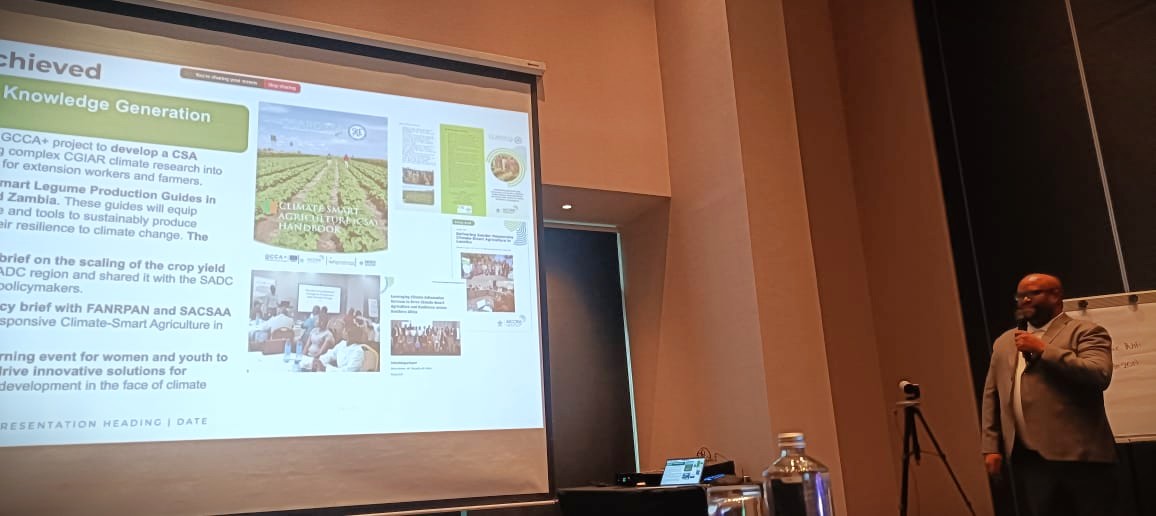
At the invitation of the SADC Secretariat, CCARDESA Executive Director, Prof. Cliff Dlamini, delivered a presentation on “Agriculture Inputs (Fertilizer) and Equipment in the Context of Ongoing Geopolitical Tensions.” The presentation formed part of discussions focusing on agriculture, agricultural inputs, supply chains, markets and food security, highlighting the growing impact of global conflicts and disruptions on the region's agricultural systems.
The retreat recognised that intensifying geopolitical rivalries, climate-related pressures, disruptions in global trade routes and volatility in energy markets are increasingly affecting the SADC region. These challenges are contributing to rising food and fuel prices, increasing production costs and heightening risks to food and energy security across Member States.
Prof. Dlamini highlighted how the region's heavy dependence on imported fertilizers and agricultural inputs exposes farmers and food systems to global shocks. He noted that disruptions linked to the Russia-Ukraine conflict and instability in the Middle East are driving fertilizer price increases and creating uncertainty in agricultural supply chains. He further emphasized the need for greater regional self-reliance, stronger intra-regional trade and increased investment in local production systems to reduce vulnerability to external disruptions.
The presentation also examined the impact of transboundary animal diseases, particularly Foot-and-Mouth Disease (FMD), which continues to threaten livestock production, regional trade and rural livelihoods. Prof. Dlamini called for strengthened regional cooperation in disease surveillance, vaccine production, livestock traceability and harmonised sanitary and phytosanitary standards to protect the livestock sector and maintain market access.
Ministers reaffirmed SADC's commitment to collective action, deeper regional integration and sustainable development as the most effective pathways for addressing emerging global challenges. Discussions focused on five strategic thematic areas: infrastructure, transport and logistics; free movement of people, goods and services; industrialisation, value chains and trade; energy and mineral resources; and agriculture, food systems and regional food security.
A key message emerging from the retreat was that regional resilience can only be achieved through stronger collaboration among Member States, enhanced regional value chains, increased local production capacity and accelerated implementation of regional integration initiatives. Existing frameworks such as the SADC Free Trade Area, the African Continental Free Trade Area (AfCFTA) and regional food security mechanisms were identified as critical tools for building resilience and reducing dependence on external markets.
Through its contribution to the retreat, CCARDESA reaffirmed its commitment to supporting the SADC Secretariat and Member States with evidence-based research, policy support and regional coordination mechanisms that strengthen agricultural resilience, food security and sustainable development across Southern Africa.