
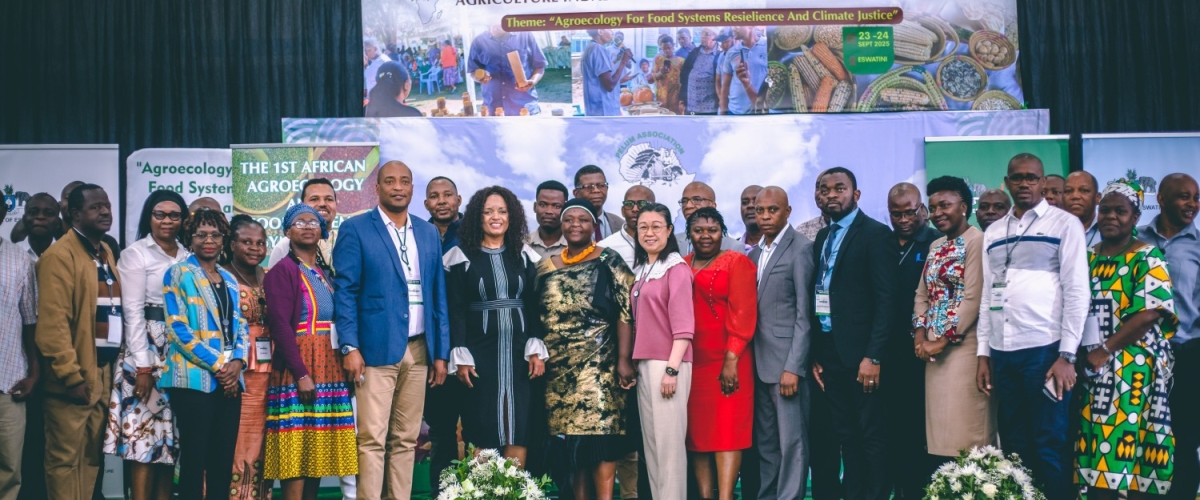
Agroecology is fast becoming Southern Africa’s lifeline against climate shocks, food insecurity, and costly farming systems. Speaking at the 1st National Sustainable Agriculture Indaba in Eswatini on 23 September 2025. The Indaba was hosted by PELUM Eswatini.
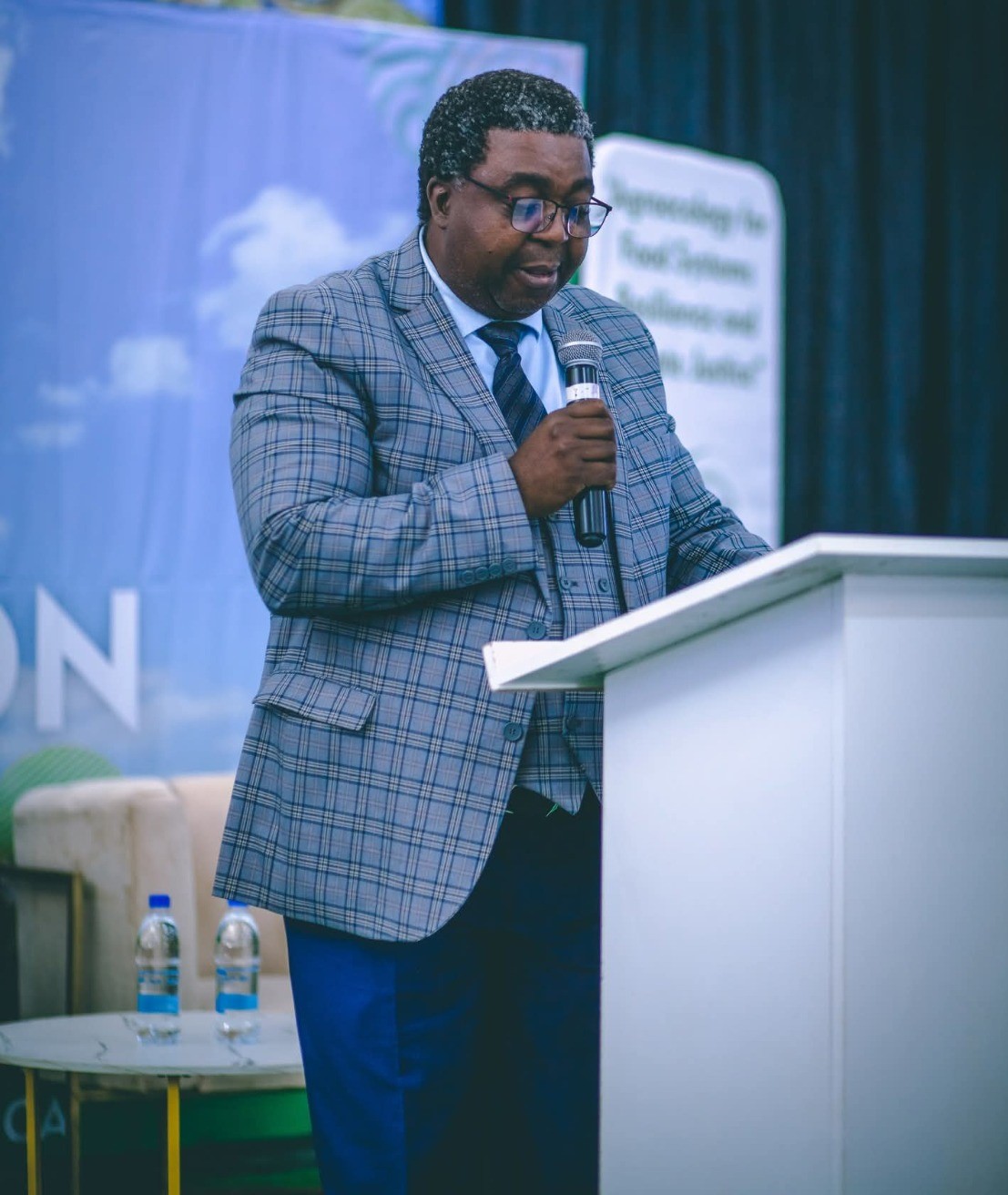
Opening the Indaba, Mr. Sydney Simelane, Principal Secretary in the Ministry of Agriculture, underscored the urgency of reviving indigenous practices such as seed saving, soil health management, and agro-biodiversity conservation. “Agroecology is our heritage; it must be restored,” he said, calling for tangible outcomes beyond dialogue.
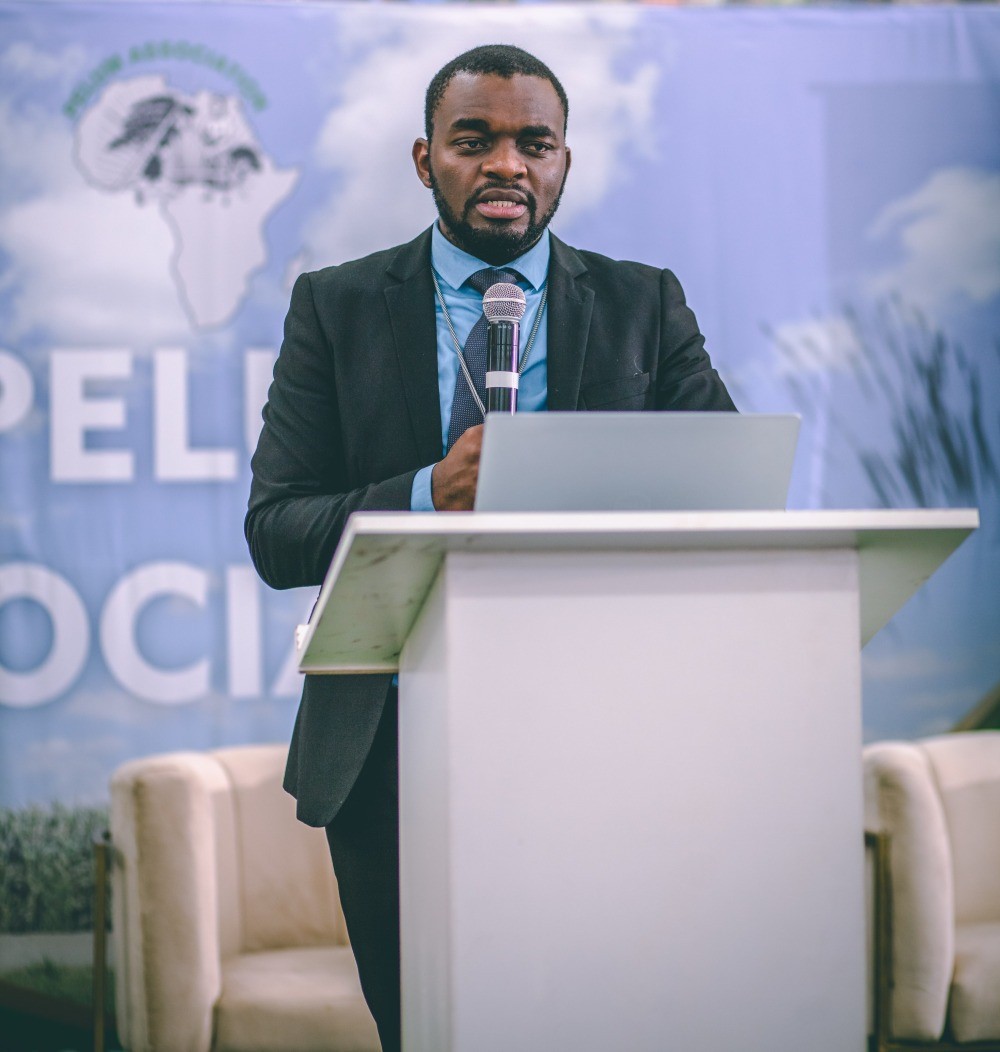
He reaffirmed the government’s commitment to making farmers more resilient, competitive, and food secure, stressing alignment with CAADP and national agricultural strategies.
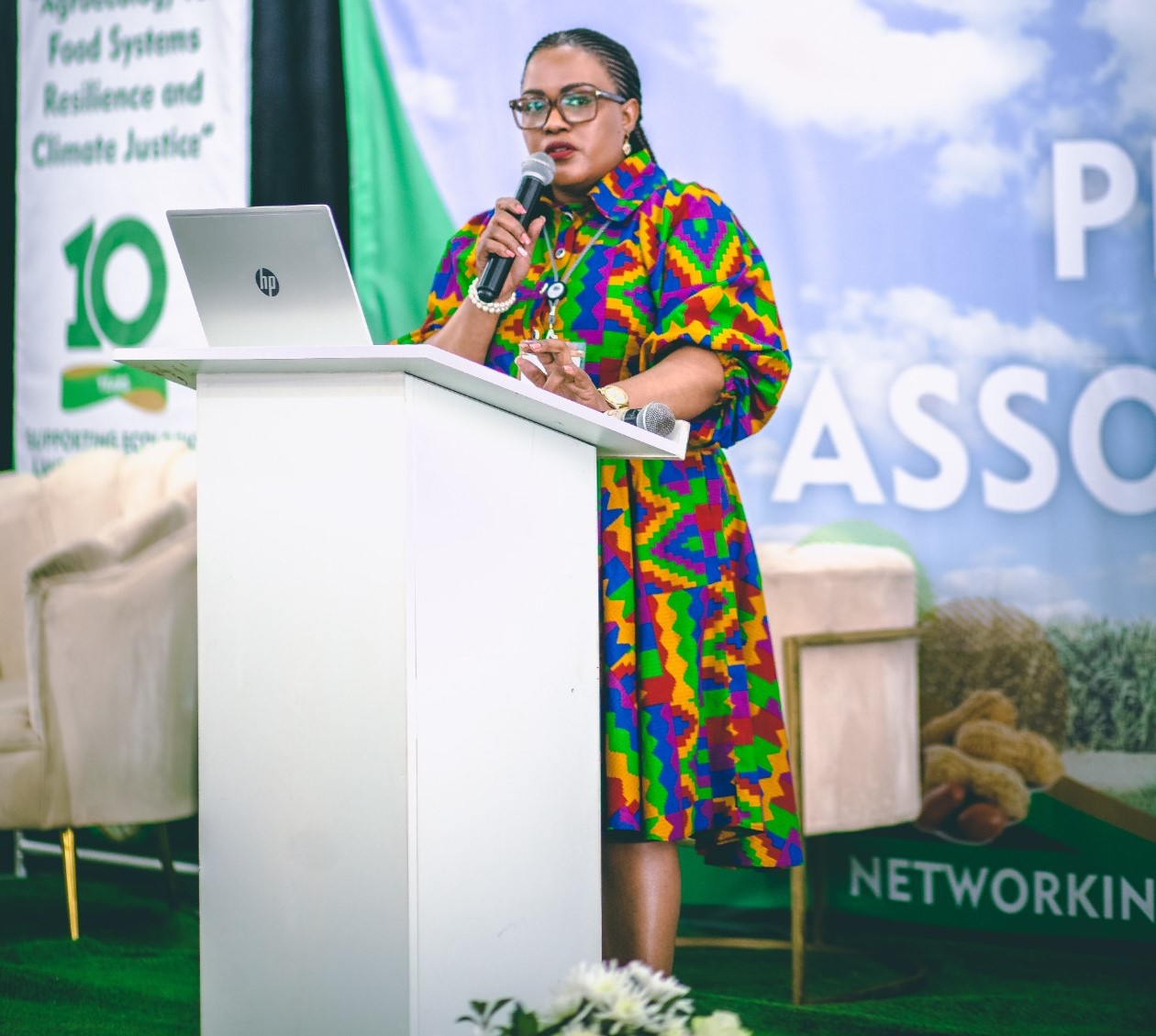
Ms. Futhi Magagula, Special Projects Coordinator at CCARDESA, urged the region to “embrace agroecology now or risk deepening hunger and dependence on food imports.” “Over 50 million people in SADC are food insecure this year,” she noted. “Agroecology enhances local food diversity, improves nutrition, and reduces reliance on expensive imports.”
Ms. Magagula identified four urgent reasons for adopting agroecology: worsening hunger and malnutrition; climate change and soil degradation; costly, input-dependent farming systems; and the potential for green jobs, especially for youth and women. “Agroecology restores food sovereignty by harnessing local knowledge and biodiversity,” she said. She linked agroecology to Africa’s key development frameworks, the AU Climate Strategy (2022–2032), Malabo Declaration (2014), and Africa Fertilizer and Soil Health Action Plan (2023) and global goals such as the UN SDGs. However, she emphasized that “supportive policies, financing, and research” are essential. “We must show evidence that agroecology boosts productivity, resilience, and income,” she said.
Ms Magagula reaffirmed CCARDESA’s commitment to scaling agroecology through knowledge sharing, advocacy, and farmer-led innovation, citing success stories from Zimbabwe and Malawi. “Agroecology is not a step backward—it’s moving forward wisely, combining science and indigenous wisdom to build food systems that can withstand crises,” she concluded.
PELUM Eswatini Board Chairperson Nkanyiso Gamedze celebrated the Indaba as both a milestone and a movement, marking 10 years of PELUM Eswatini and 30 years of PELUM’s regional advocacy. The PELUM Chair also paid tribute to the organisations and agencies that made the Indaba possible, including the Ministry of Agriculture, the European Union, Bread for the World, the Sahee Foundation, and several international development partners. He applauded the dedication of PELUM Eswatini’s secretariat, under the leadership of its Country Coordinator, for ensuring the event came to fruition.
The representative from the Sahee Foundation indicated that Agroecology works with nature, not against it. For smallholder farmers who cannot afford costly imported inputs, it is not just an option but a long-term survival strategy. Let us embrace it for the future of our food systems.
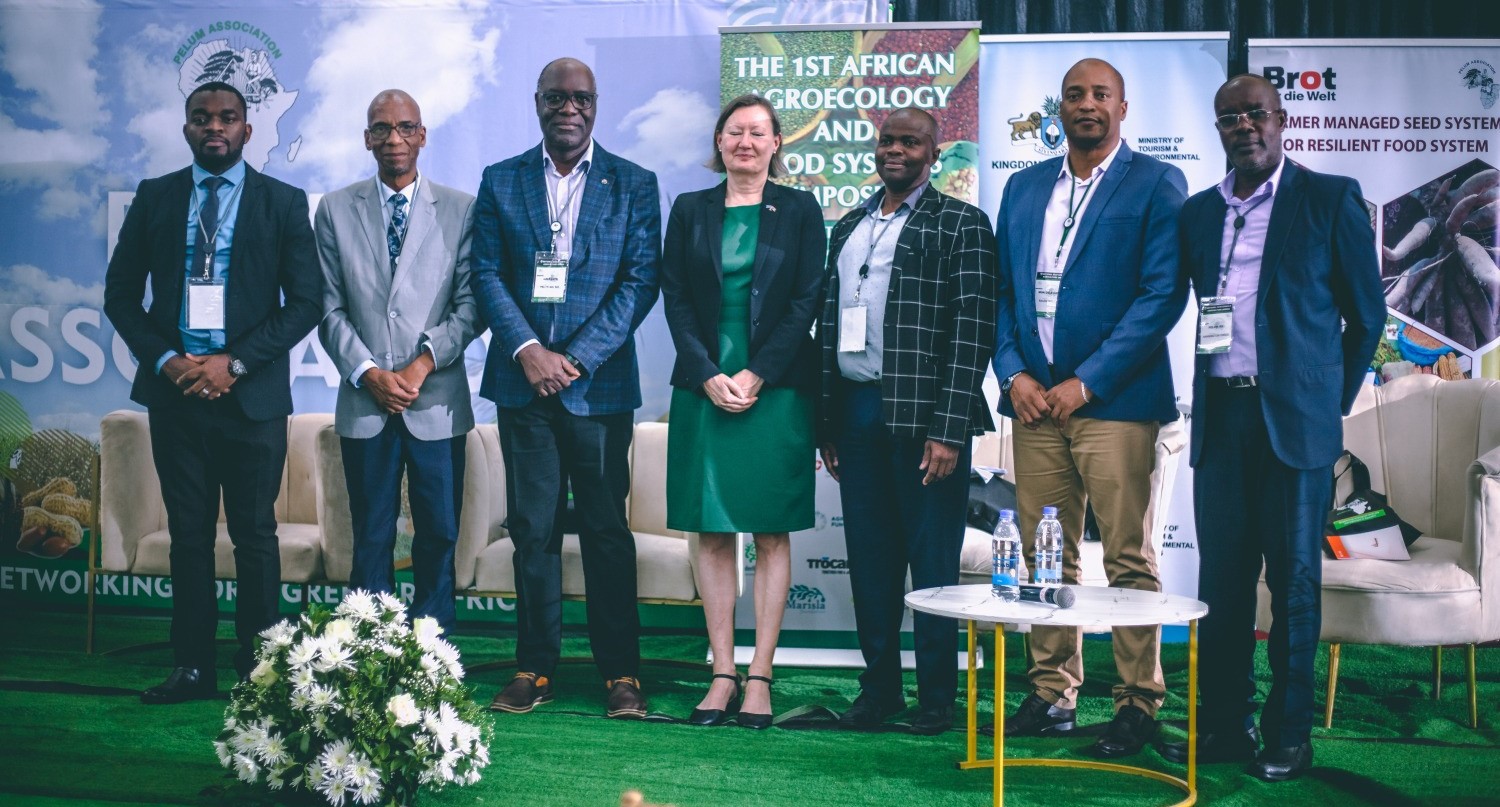
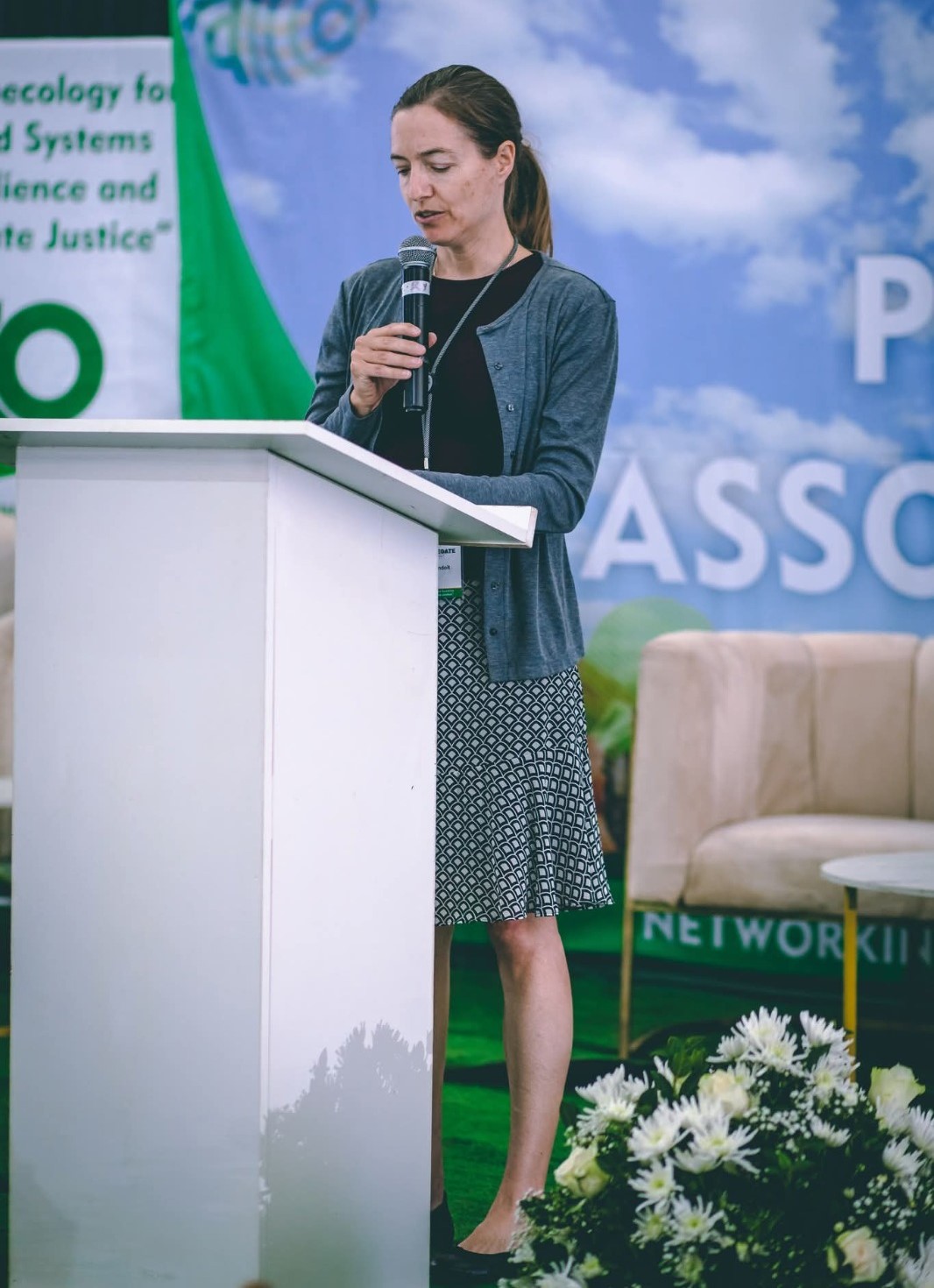
The Indaba gathered policymakers, researchers, farmers, and partners from 14 African countries. The consensus was clear: for SADC, agroecology is no longer a choice but a necessity for a sustainable future.
The author is an environmental Journalist and also CCARDESA TFCA correspondent